Maintaining customer trust in a booming eCommerce marketplace
Happy Consumer Protection Week! Are you an online shopper? This podcast is for you!
March 10, 2022
Media Contact: National Consumers League – Carol McKay, carolm@nclnet.org, (412) 945-3242 or Katie Brown, katie@nclnet.org, (202) 207-2832
Washington, DC – Today, National Consumers League (NCL), along with 29 not-for-profit, public health organizations from across the country, sent a letter to the U.S. Food and Drug Administration (FDA) regarding the agency’s ongoing process to establish regulations that will soon allow hearing aids intended for adults with perceived mild to moderate hearing loss to be sold over-the-counter (OTC) without any involvement of a medical professional. As the FDA finishes developing its final OTC hearing aid regulation, we urge the agency to include stronger measures to better protect consumers affected by this new category of medical devices.
We applaud the FDA for its efforts to provide increased access and affordability through the creation of this new category of hearing aids. At the same time, the FDA must ensure these devices are safe, particularly given that many consumers will purchase OTC hearing aids without knowing their clinical level of hearing loss and not having any support from a medical professional. In addition to hearing loss, many OTC hearing aid users may also have other medical challenges impeding their ability to recognize and/or react to loud or uncomfortable sounds produced by these hearing aids. Under such circumstances, the need to ensure OTC hearing aids fulfill their intended purpose without risking unintended harm cannot be understated.
The letter states: “To ensure the safety of consumers, we believe the FDA should implement the recommendations of the nation’s leading associations of hearing care professionals, including the American Academy of Otolaryngology-Head and Neck Surgery, American Academy of Audiology, American Speech-Language-Hearing Association, and International Hearing Society. These associations are urging the FDA to lower the maximum sound output to 110 decibels and establish an amplification (or gain) limit of 25 decibels. These associations, as well as respected entities like the World Health Organization and the Centers for Disease Control and Prevention, have made clear that allowing sounds to enter the ears of consumers at the proposed levels can cause serious and permanent hearing damage within mere seconds.”
Importantly, these recommendations will not have any impact on the FDA’s goal of providing increased access to affordable hearing devices, compromise the effectiveness of OTC hearing aids, or discourage innovation—they will only make them sufficiently safe for consumers with mild to moderate hearing loss.
Read the full letter HERE. Learn more about the issue here: OTC Hearing Aids- Gain and Output
###
About the National Consumers League (NCL)
The National Consumers League, founded in 1899, is America’s pioneer consumer organization. Our mission is to protect and promote social and economic justice for consumers and workers in the United States and abroad. For more information, visit www.nclnet.org.

By NCL Health Policy Associate Milena Berhane
A lack of diversity in the health care workforce has been a persistent issue in the United States, posing significant implications to health equity, particularly for the Black or African American community.
An estimated five percent of physicians identify as Black, despite making up 13 percent of the U.S. population. A recent study utilizing U.S. Census Bureau information found that the proportion of Black physicians in the United States has only increased by four percent in more than a century — from 1900-2018. This study also reported that the percent of Black male physicians has remained relatively stagnant since 1940. Diversity issues also exist in other health care professions, with an estimated 7.8 percent of nurses, 3.8 percent of dentists, and 2.5 percent of physical therapists being Black.
The education, testing, application, and interviewing process required to pursue a career in health care is rigorous and costly. In addition to a four-year degree, candidates are also required to take standardized exams, pay expensive application fees, and pay for travel to interview. Most medical students expect to spend up to $10,000 for the application process. Once accepted to a health professional program, the tremendous monetary and time costs of schooling are immense obstacles for many. Medical school attendees accumulate an average $200,000 of student loans by the time they are finished with their programs.
Due to generations of systemic racism in our country, Black Americans are less resourced — financially and in terms of social capital — than their white counterparts. The rigorous process of applying to and remaining in health professional programs creates a pipeline that excludes disadvantaged students from the ability to pursue careers in clinical care.
The barriers to enter the workforce have further negative impact on communities and health equity. Black patients face a variety of issues that can influence their ability to access medical care, including medical mistrust caused by historical unethical medical mistreatment faced by Black Americans, dismissal of health concerns that Black patients express to health care providers, and others. Time and time again, Black patients have shared their experiences of medical providers ignoring their health concerns, and therefore being undertreated and going undiagnosed for their conditions. In addition, research indicates that Black patients report poorer patient-provider communication and shared decision-making. These issues lead to Black patients receiving lower quality care from medical providers, further worsening health conditions that could be treated.
Racial bias and a lack of culturally competent medical care in the healthcare system has led to poorer health outcomes for Black patients. Black Americans of all ages already face higher rates of hypertension, asthma, diabetes, and other health issues due to systemic racism and how it has affected the environments they live in, the food they have access to, their education prospects, income, etc. These inequities compiled with a culturally incompetent and bias medical system leaves Black Americans with little ability to receive proper medical treatment and improve their health and well-being. Although medical schools are attempting to teach the importance of culturally competent care, it is crucial that Black patients are also able to access healthcare providers that look like them and come from their communities.
Clearly, the current make up of racial diversity of the health care workforce has failed to keep up with the demographic shifts in the United States. Although public health efforts are important in addressing and improving health equity, inequities within the medical system must be addressed simultaneously. The COVID-19 pandemic has only highlighted and exacerbated health inequities. Increasing the amount of Black health professionals across the United States is a critical step in ensuring better health outcomes for Black patients and their overall well-being.
For immediate release: February 9, 2022
Media contact: National Consumers League – Carol McKay, carolm@nclnet.org, (412) 945-3242 or Katie Brown, katie@nclnet.org, (202) 207-2832
Washington, DC—The National Consumers League (NCL), the nation’s pioneering worker and consumer advocacy organization, has released “A woman’s right to choose: Equal access to health care threatened,” a new episode in its We Can Do This! podcast series. Hosted by NCL Executive Director Sally Greenberg, the episode features a conversation with Karen Mulhauser, longstanding champion for women’s rights. Mulhauser served as the first appointed executive director of the National Abortion Rights Action League (NARAL) in 1974, shortly after the 1973 Roe v. Wade case was decided by the Supreme Court, securing the right to abortion. After leading NARAL, Mulhauser’s work took many directions, including empowering women to register and vote, and the founding of Every Woman Vote 2020.
“With NCL’s long history in advocacy for safe, effective access to health care, we welcome Karen Mulhauser’s perspective on the historical fight for a woman’s right to choose. Mulhauser gives us an intimate view into why these protections are so important and so fragile,” said Greenberg.
An excerpt of Karen’s interview: “One in three women have an abortion. … My story is one that when I was in college and got pregnant unintentionally, I self-induced, and for decades I didn’t talk about that. But part of what I think needs to happen is that people have to tell their stories. … We are losing our democracy, and that’s why I’m building a voter initiative for this. In my long years of life, this is the most important election of my life. And I want to do whatever I can to mobilize as many people as possible.”
This episode contains sensitive topics. Listener discretion is advised.
This episode is now available on nclnet.org and on Apple Podcasts and Google Podcasts.
NCL’s We Can Do This! Podcast | Episode 16
“A woman’s right to choose: Equal access to health care threatened”
Episode description: The National Consumers League believes in equal health care access for all, and that includes a woman’s right to choose. With the looming possibility of Roe v. Wade being overturned and new laws adopted in states around the country restricting women’s access to abortion and other reproductive services, we sat down with pioneering abortion rights champion — Karen Mulhauser — NARAL’s first Executive Director, for a historical perspective on abortion. Mulhauser discusses her personal story, political organizing and her work to secure rights and protections for women.
###
About the National Consumers League (NCL)
The National Consumers League, founded in 1899, is America’s pioneer consumer organization. Our mission is to protect and promote social and economic justice for consumers and workers in the United States and abroad. For more information, visit www.nclnet.org.

This episode contains sensitive topics, such as abortion and sexual violence, that may be difficult for some audiences. Listener discretion advised.
As listeners of our podcast know, the National Consumers League believes in equal health care access for all, and that includes a woman’s right to choose.
Media contact: National Consumers League – Carol McKay, carolm@nclnet.org, (412) 945-3242
Washington, DC—Today, February 5, 2022, the National Consumers League sent a letter to Spotify CEO Daniel Ek to call for the removal of episodes of Joe Rogan’s podcast, “The Joe Rogan Experience,” that contain demonstrably harmful misinformation related to masks, vaccines, and other public health measures. The text of the letter appears below.
February 5, 2022
Daniel Ek
Chief Executive Officer
Spotify USA Inc
150 Greenwich Street, 62nd Floor
New York, NY 10007
RE: COVID-19 misinformation on The Joe Rogan Experience
Dear Daniel Ek:
Since late 2020, highly effective mRNA vaccines have been accessible for free to the general public. Despite this, millions of Americans remain unvaccinated, which has been a major contributing factor to the deaths of nearly 900,000 Americans during the pandemic.[1] Spotify has a civic responsibility to do everything in its power to help prevent future COVID-19 deaths—including (but not limited to) removing episodes of Joe Rogan’s podcast, The Joe Rogan Experience, that contain demonstrably harmful misinformation related to masks, vaccines, and other public health measures.
The National Consumers League (NCL), which I lead, has worked hard to combat COVID-19 misinformation.[2] Guided for more than a century by the legacy of our first General Secretary, Florence Kelley, NCL has championed vaccines as lifesaving medical interventions. General Secretary Kelley’s support for inoculations played a key part in mitigating a critical smallpox outbreak at the end of the 19th century and her stalwart advocacy for immunizations has informed NCL’s efforts to increase access to and confidence in vaccines for more than 120 years. Recently, we demanded that the Small Business Administration (SBA) rescind Paycheck Protection Program (PPP) funds that were granted to anti-vaccine groups.[3]
On episode #1639 of his podcast, Rogan recommended that young people not get the vaccine, stating “if you’re like 21 years old, and you say to me, should I get vaccinated? I’ll go no.”[4] On episode #1737, Rogan stated, “they’re trying to say that children need it when they don’t. They don’t need it.”[5] This is but one of many instances of Rogan making statements on his podcast that are clearly misinformation. Data from the CDC shows that over 6,000 individuals under the age of 30 have died from COVID-19 to date.[6] Just last month, almost 800 children under the age of 18 were hospitalized with COVID-19 daily, with young adults’ hospitalization rates being nearly double that number.[7] Unfortunately, Rogan’s harmful rhetoric is not limited to just episodes #1639 and #1737; The Joe Rogan Experience has a long and well-documented history of spreading misinformation that clearly violated Spotify’s Platform Rules.[8]
Spotify’s Platform Rules state that “[c]ontent that promotes dangerous false or dangerous deceptive medial information that may cause offline harm or poses a direct threat to public health,” is prohibited on the platform. The Platform Rules further state that violation of these rules may result in violating content being removed by Spotify and the content publisher’s account suspended.[9] Spotify does not appear to have applied its Platform Rules regarding COVID-19 misinformation to The Joe Rogan Experience despite the fact that the platform has removed 20,000 episodes on other podcasts for containing false claims related to COVID-19.[10] We urge Spotify to enforce its COVID-19 Platform Rules consistently, regardless of who the content creator may be.
Spotify’s failure to police The Joe Rogan Experience, creates serious, and potentially deadly risks for his listeners. Research shows that misinformation has a tangible impact on individuals’ willingness to take measures to reduce the risk of COVID-19 infection and transmission. For example, being exposed to false claims reduced vaccination intent by 6.2 percentage points.[11] Another study showed that misinformation led to a decline in individuals’ reception to authentic COVID-19 health guidance.[12] Given the platform’s massive reach, Spotify is uniquely positioned to help protect its hundreds of millions of users from the harm that flows from incorrect statements, false claims, and lies promulgated on the streaming service.[13]
As Spotify’s most popular podcast, Joe Rogan’s audience includes millions of listeners who view him as a trusted source of information, even when his claims are nonfactual and unfounded.[14] Compared to the $0.0032 per stream rate that Spotify reportedly pays other content creators on the platform,[15] Spotify has clearly decided to make a major investment in The Joe Rogan Experience. I understand that Spotify is a commercial business and not a charitable organization. Still, NCL believes that when the world’s largest digital service provider invests $100 million in an endeavor, the results should better the common good—rather than contribute to the world’s most pressing public health crisis.
We urge you to take action and remove episodes of The Joe Rogan Experience which violate Spotify’s COVID-19 Platform Rules.
Sincerely,
Sally Greenberg
Executive Director
National Consumers League
email: sallyg@nclnet.org
cc: Regan Smith, Head of Public Policy, Government Affairs, Spotify
[1] Note: Unvaccinated persons had 53.2 times the risk for COVID-19 associated death compared with fully vaccinated and boosted individuals. Johnson AG, Amin AB, Ali AR, et al. COVID-19 Incidence and Death Rates Among Unvaccinated and Fully Vaccinated Adults with and Without Booster Doses During Periods of Delta and Omicron Variant Emergence — 25 U.S. Jurisdictions, April 4–December 25, 2021. (2022). MMWR Morb Mortal Wkly Rep, 71, 132–138. DOI: http://dx.doi.org/10.15585/mmwr.mm7104e2
[2] National Consumers League. Get the facts on the COVID-19 vaccine. (2021). https://nclnet.org/vaccines
[3] National Consumers League. No PPP for anti-vaxxers! (2021). https://nclnet.org/ppp_antivaxx/
[4] #1639 – Dave Smith. The Joe Rogan Experience. (2021). https://open.spotify.com/episode/7taqki4fGUkcXESbaUzjgh?si=4VNiaS32TKCiLILuTXiv0Q
[5] #1737- Tim Pool. The Joe Rogan Experience. (2021). https://open.spotify.com/episode/1vnRz7xfy27VFTHVeK740V?si=6541c03af7da47fd
[6] Centers of Disease Control and Prevention. Provisional Death Counts for Coronavirus Disease 2019 (COVID-19). (2022). https://www.cdc.gov/nchs/nvss/vsrr/covid_weekly/index.htm#SexAndAge
[7] Centers for Disease Control and Prevention. COVID Data Tracker: New Hospital Admissions. (2022). https://covid.cdc.gov/covid-data-tracker/#new-hospital-admissions
[8] Paterson, A. Joe Rogan Wrapped: A year of COVID-19 misinformation, right-wing myths, and anti-trans rhetoric. Media Matters. (2021). https://www.mediamatters.org/joe-rogan-experience/joe-rogan-wrapped-year-COVID-19-19-misinformation-right-wing-myths-and-anti-trans
[9] Spotify. Spotify Platform Rules. (2022). https://newsroom.spotify.com/2022-01-30/spotify-platform-rules/
[10] Note: While Spotify has removed at least 40 episodes of the Joe Rogan Experience, those episodes do not appear to have been removed due to violations of the Spotify’s Platform Rules related to COVID-19. (Source: Resnikoff, Paul. “Spotify Has Removed 40 Joe Rogan Episodes To Date — Here’s the Full List.” Digital Music News. (2021). https://www.digitalmusicnews.com/2021/03/30/spotify-joe-rogan-episodes-removed/
[11] Loomba, S., de Figueiredo, A., Piatek, S.J. et al. Measuring the impact of COVID-19 vaccine misinformation on vaccination intent in the UK and USA. Nat Hum Behav 5, 337–348 (2021). https://doi.org/10.1038/s41562-021-01056-1
[12] Kim, H. K., Ahn, J., Atkinson, L., & Kahlor, L. A. (2020). Effects of COVID-19 Misinformation on Information Seeking, Avoidance, and Processing: A Multicountry Comparative Study. Science Communication, 42(5), 586–615. https://doi.org/10.1177/1075547020959670
[13] Spotify. About Spotify. (2022). https://newsroom.spotify.com/company-info/
[14] Variety. Joe Rogan Had the No. 1 Podcast in 2021 on Spotify. (2021). https://variety.com/2021/digital/news/joe-rogan-experience-most-popular-podcast-news-roundup-1235123361/
[15] Justice At Spotify. Union of Musicians and Allied Workers. (2022). https://www.unionofmusicians.org/justice-at-spotify
###
About the National Consumers League
The National Consumers League, founded in 1899, is America’s pioneer consumer organization. Our mission is to protect and promote social and economic justice for consumers and workers in the United States and abroad. For more information, visit www.nclnet.org.

Media contact: National Consumers League – Carol McKay, carolm@nclnet.org, (412) 945-3242
Washington, DC—Today, February 4, 2022, NCL Health Policy Associate Milena Berhane provided oral testimony to the Center for Disease Control and Prevention’s Advisory Committee on Immunization Practices in support of the approval of Moderna’s COVID-19 vaccine and pediatric COVID-19 vaccines. Her comments appear below.
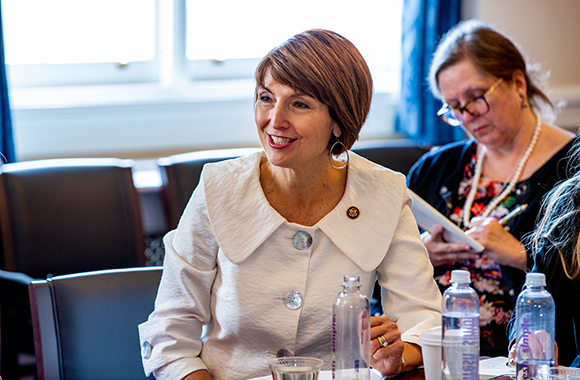
February 4, 2022
Thank you, Dr. Lee. My name is Milena Berhane, and today I am representing the National Consumers League. Since NCL’s founding in 1899 by social reformer Florence Kelley, we have advocated for the critical role immunizations play in the preservation and improvement of public health. We extend our gratitude to this Committee for the opportunity to present public comments.
An estimated 890,000 Americans have died from COVID-19 during this pandemic that has persisted in the U.S. for the past two years. The COVID-19 virus continues to threaten the health and safety of many, especially vulnerable populations such as the elderly and immunocompromised groups. The currently available COVID-19 vaccines have worked to save lives, and avoid preventable illness, hospitalizations, and deaths in our communities.
The National Consumers League commends the FDA and the CDC on the approval of the Moderna COVID-19 vaccine, which will continue to be a key tool in the public health response to this pandemic. This vaccine has been, and will continue to be, a safe and effective measure to protecting Americans 18 years of age and older.
America’s families are hopeful that the Pfizer COVID-19 vaccine will be granted Emergency Use Approval for children under 5 years of age. Hospitalization of children under 5 years of age has soared, further evidence of the need for expanding vaccine access to children in this age group. Vaccinating children under the age of 5 will protect them from illness, but also protect their families, caretakers, and teachers from contracting COVID-19 as well.
We are also concerned about the widespread drop-in routine childhood immunization rates during the pandemic. According to CDC data released last May, over 11.7 million children have missed doses of their recommended vaccines. We are particularly worried that our nation’s most vulnerable children, those who qualified for the Vaccines for Children program, are getting caught up at a much slower rate than children with commercial insurance.
The National Consumers League recognizes the extreme importance of immunizations in protecting the health and safety of all Americans, and will continue its efforts to increase vaccine confidence and uptake across lifespan. We look forward to the upcoming recommendations by this committee regarding these COVID-19 vaccines.
Thank you.
###
About the National Consumers League
The National Consumers League, founded in 1899, is America’s pioneer consumer organization. Our mission is to protect and promote social and economic justice for consumers and workers in the United States and abroad. For more information, visit www.nclnet.org.
By NCL Health Policy Associate Milena Berhane
Technology has brought into the homes of millions of consumers many wonderful tools for accessing the drugs and medical products we need. We, as consumers — at the touch of a few buttons — have access to drugs and devices that would have required far more time and effort to acquire in the past. But with that ease of access, we also have millions of tainted or suspect products peddled to consumers, including counterfeit drugs.
At any one time, there are 35,000 active pharmacies online, according to ASOP Global. Ninety-five percent of them do not comply with applicable laws and pharmacy standards. Counterfeit products sold by this 95 percent are manufactured in often unsafe conditions and contain little or no active ingredients.
Those in charge of online registries could better control this. These registries control the websites that can be set up on the Internet, managing domain name extensions such as .com, .gov, and .org, and .pharmacy. It is critical that Internet registries and registrars monitor the activity on their domains and ensure that illegal activity is prevented.
Consumers look for drugs online for both cost and convenience reasons. It’s understandable that consumers are turning to the Internet for cheaper options when the cost of many prescription drug costs is so high. Those who do undoubtedly don’t understand the risk of illegal online pharmacies; research shows only an estimated 37 percent see little danger in ordering from such a pharmacy. In addition, 7 in 10 Americans incorrectly believe that appearing at or near the top of Internet search results legitimizes such a website.
The COVID-19 pandemic has also played a role in these risks, with an increased sale of online goods, including prescription drugs. About 31 percent of consumers who bought prescription medication online did so for the first time in 2020 because of the pandemic. As a result, now more than ever, we need to ensure that illegitimate online pharmacies are far better regulated, and frankly, put out of business.
The examples are stark. In 2021, the Drug Enforcement Administration (DEA) seized more than 9.5 million counterfeit pills, which is more than what was seized in 2020 and 2019 combined. Due to these high numbers, in late 2021, the DEA warned that “fake prescription pills are widely accessible and often sold on social media and e-commerce platforms — making them available to anyone with a smartphone, including minors.”
We believe that online platforms have the responsibility to enforce their terms and conditions. These registries and registrars are choosing profit over safety by allowing online pharmacies to sell fake drugs and products.
For this reason, the National Consumers League is supporting the DRUGS Act (H.R. 6352/S.3399) which aims to holds Internet registries and registrars responsible for any illegal and illegitimate drugs being sold through their online platforms. Modeled after a pilot “trusted notifier” program, this bill would require registries to suspend a website, conduct an investigation, and then shut the platform down if it is found to be selling illegal substances.
In the meantime, NCL will continue to educate consumers about the dangers of counterfeit drugs. NCL’s FakeRx Action Center provides consumers with the tools to protect themselves from fake drugs and illegal online pharmacies — as well as a place to report counterfeits. Consumers have a duty to do their homework, but we have to make it far harder for fakes and counterfeits to be peddled to unwitting consumers. The DRUGS Act will go a long way to make that a reality.
January 31, 2022
Media contact: National Consumers League – Carol McKay, carolm@nclnet.org or (412) 945-3242
Washington, DC – The National Consumers League is pleased to support the Domain Reform for Unlawful Drug Sellers (DRUGS) Act (HR 6352), which was introduced on January 7, 2022 by U.S. Representatives Bobby L. Rush (D-Ill.) and David B. McKinley, P.E. (R-W.Va.). The Senate equivalent (S. 3399)was introduced by Senators Marco Rubio (R-Fla.) and Amy Klobuchar (D-Minn.). This legislation aims to create a program that holds internet registries and registrars responsible for illegitimate drugs being sold on their online platforms.
“People of all ages have been affected by the sale of illegitimate drugs on the internet. This issue needs a targeted intervention to avoid further harm and death that results from this problem. Requiring online platforms to take action when they are notified of illegal activity on their domains will help to reduce the number of domains selling illegitimate drugs,” said NCL’s Director of Health Policy Jeanette Contreras.
The DRUGS Act would require internet registries to take immediate action when they receive notice from “trusted notifiers” that one of their domain names is being used to sell drugs illegally online. Agencies that are considered “trusted notifiers” include the Food and Drug Administration (FDA), the Department of Justice (DOJ), the Department of Homeland Security (DHS), State Attorneys General, and State Boards of Pharmacy, among others. After receiving a notice, the online platforms would have to suspend the domain from operating, to allow for an investigation before resuming online sales. The domains would have the option to appeal, by providing evidence of lawful operation.
This legislation is a monumental step in ensuring that online platforms are held accountable for allowing illegal online pharmacies to be created, and shutting down those that already exist and operate. The DRUGS Act is modeled on a successful FDA pilot program, which resulted in the takedown of nearly 30 domain names used to offer illegal opioids online in 2020.
###
About the National Consumers League
The National Consumers League, founded in 1899, is America’s pioneer consumer organization. Our mission is to protect and promote social and economic justice for consumers and workers in the United States and abroad. For more information, visit www.nclnet.org.
January 20, 2022
Media contact: National Consumers League – Carol McKay, carolm@nclnet.org or (412) 945-3242
Washington, DC—The Journal of Studies on Alcohol and Drugs today released new research that reveals the various tactics cannabidiol (CBD) companies use to thwart the Food and Drug Administration (FDA) review process and assert that their therapeutical claims are backed by science.
The study, The Use of Academic Research in Medical-Cannabis Marketing: A Qualitative and Quantitative Review, illuminates the need for FDA regulatory approval and stronger oversight to address the risks to consumers and patients alike when companies exploit that system. The findings reveal nearly 1,000 health claims touting CBD’s ability to mitigate symptoms or treat mental health, autism, pain, sexual health, AIDS, cancer, COVID-19, and more, providing just a snapshot of the current, unregulated marketing tactics being used to mislead the public.
The research was commissioned by Consumers for Safe CBD, a campaign spearheaded by the National Consumers League and conducted by Data Science Solutions. The research took place in the summer of 2020 and was published today in the Journal.
“It’s important that consumers understand what they’re up against when it comes to the current marketplace,” said Sally Greenberg, Executive Director of the National Consumers League. “Day in and day out we see CBD products promoted by celebrities and ‘health experts’ who have no clue what is truly in the products they push. This research helps give a snapshot of just how many misleading claims are out there and will help consumers better understand how to identify — and know to question — marketing red flags.”
“Unfortunately, many CBD manufacturers talk quite a bit about research, but have rarely engaged in the kind of large-scale randomized controlled trials necessary to establish that a drug is safe and effective,” said Theo Caputi, M.P.H, M.SC. author of the study. “CBD products are flooding the retail marketplace — readily available to consumers — and this review shows a serious need for adequate research and testing to ensure safety of these products and effectiveness for the claims companies are making.”
Most of the top medical marijuana companies analyzed:
“It is alarming to see so many companies purposefully evading the FDA process — the gold standard in consumer protection — and making therapeutic claims with little to no real, clinical evidence,” said Greenberg. “Many of these companies have received warning letters from the FDA, yet these harmful and misleading tactics continue. It’s time for Congress to empower FDA to use its full authority to protect consumers. Consumers for Safe CBD will continue to serve as a watchdog to ensure CBD products are safe and effective.”
The CBD market continues to grow despite the FDA stating that CBD cannot be generally regarded as safe (GRAS) for use in food and beverage products. According to a Statista report, CBD sales in the U.S. reached $4.6 billion in 2020. By 2026, the market is expected to grow to $16 billion. Consumers, through these “research as marketing” tactics, have been led to believe that CBD has both medical benefits and health maintenance effects. However, there is only thorough, scientific-backed proof of medical benefits in the one and only FDA-approved CBD prescription drug product available.
“It is arguably unethical and certainly misleading for commercial entities to use the legitimacy of early scientific research — and the announcement of such endeavors — as a marketing tool,” Caputi added, “In fact, this ‘research’ used — or even simply announced in press releases — is not nearly substantial enough to ensure safety and effectiveness of these products for therapeutic use. We must rely on the rigorous FDA approval process to be sure these products meet the gold standard for safety and efficacy.”
Click HERE to read the full study in the Journal of Studies on Alcohol and Drugs.
To learn more about the risks of unregulated CBD, visit 4safecbd.org.
###
About the National Consumers League
The National Consumers League, founded in 1899, is America’s pioneer consumer organization. Our mission is to protect and promote social and economic justice for consumers and workers in the United States and abroad. For more information, visit www.nclnet.org.
The work of the National Consumers League is making a difference in people’s lives across the country. Meet some of the consumers touched by our programs.
Read about NCL’s impact

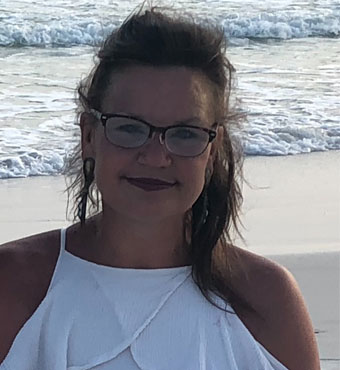
Paige, 55, a Nashville wife and mother of two, answered an employment ad for secret shoppers. Before sending payment to the scammers, she reached out to NCL.
Read about NCL’s impact

A grease fire flared up in Decklan’s kitchen. As his family scrambled and panicked, fearing that the whole house might erupt in flames, Decklan remained calm. He hurried over to the pantry, grabbed some baking soda, and dumped it on the fire quickly extinguishing the blaze.
Read about NCL’s impact

Cincinnati resident Charles, 45, lost his computer business — and health insurance— during a time of economic downturn. A diabetic, Charles was now unable to afford his medication. He stopped taking it which made him seriously ill and put his life at risk.
Read about NCL’s impact

Jeremy is a fast-food worker who has been employed at a number of Chipotle restaurants in New York City. When he was just 20 years old, he took part in an NCL research project that revealed that management practices within the fast food chain were putting workers—and food safety for customers—at risk.
Read about NCL’s impact

Our office is open:
Mon-Fri, 9 am- 5 pm, Eastern
Email: info@nclnet.org
Phone: (202) 835-3323
Fax: (202) 835-0747
[gravityform id=”11″ title=”true” description=”false”]
[gravityform id=”9″ title=”true” description=”false” ajax=”true”]

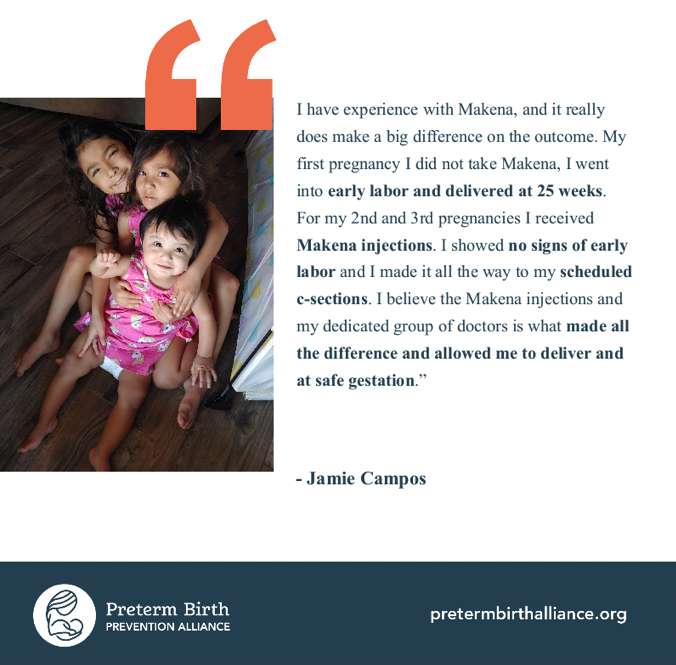
PBPA Commends HHS Funding to Support Maternal and Infant Health
The Preterm Birth Prevention Alliance (PBPA), a coalition of maternal and women’s health advocates dedicated to improving preterm birth outcomes in the United States and addressing its disproportionate impact on women of color, applauds the U.S. Department of Health and Human Services (HHS) for awarding nearly $350 million to states across the country to improve support for safe pregnancies and healthy babies.
“For far too long, U.S. maternal health care has lagged behind that of other developed countries, particularly for women of color,” noted Sally Greenberg, Executive Director of the National Consumers League. “This additional funding will enable local health departments and nonprofits to better address the health care needs of the most vulnerable mothers and their babies.”
The funding, awarded by HHS’ Health Resources and Services Administration (HRSA), will support home visiting services, increase access to doulas, address infant mortality and maternal illness, and improve data reporting on maternal mortality.
“Maternal health care in the U.S. has consistently failed women of color,” Greenberg continued. “We applaud HHS for this additional funding that will help to improve the maternal health for all mothers and babies, especially women of color and those most at-risk.”
The funding announcement follows the release of a report by the U.S. Commission on Civil Rights which found that Native American women are more than two times more likely to die from pregnancy-related complications than white women in the U.S. This disparity was further exacerbated for Black women in the U.S., who are three to four times more likely to die from pregnancy-related complications than white women.
“In addition to expanding programs to support maternal health, we must increase representation from racially and ethnically diverse groups in research and clinical trials, particularly those studying treatment options to prevent maternal morbidity and mortality,” said Greenberg. “The need for the additional HHS funding and the report from the Commission on Civil Rights clearly illustrate how critical representative research and real world evidence are to ensuring all mothers and their babies have the same opportunity for the best possible health outcomes.”
/in Blog, Health, Prevention Blog Post

By Sally Greenberg, NCL Executive Director
While the COVID-19 pandemic has led to hardship for all Americans, it is clear that people of color have been disproportionately burdened. Across the health care continuum, addressing this disparity has become part of the broader conversation about the history of systemic racism and the underlying social determinants of health that negatively affect the mental, physical, and economic health of individuals and entire communities.
The pandemic has underscored persistent health disparities, and there is growing recognition that representation in research and clinical trials can have a profound impact on health outcomes. A lack of representation from racially and ethnically diverse groups in research and clinical trials have typically led to gaps in data, missing the opportunity to assess the full impact of various treatments and drugs across a range of populations. The collection and use of real-world research and data to inform the potential use, risks, and benefits of medical products and treatments can ultimately lead to better health outcomes, particularly for those who have been underrepresented in the past.
Existing efforts to improve inclusion
Efforts to expand diversity and representation in medical research are underway in Congress. Policymakers are encouraging the incorporation of Real World Evidence (RWE) in drug development through the recent Cures 2.0 draft legislation released by Reps. Diana Degette (D-CO-1) and Fred Upton (D-MI-6). While the status quo limits us from effectively reaching underserved populations, the proposed legislation would allow studies that include RWE for some drugs after they have been approved. At the heart of this issue is a growing appreciation that the same therapy can affect different populations in different ways, which is why Cures 2.0 supports collecting data that more accurately reflects the unique experiences and needs of patients across diverse populations.
Recognizing the potential for RWE in maternal health
The lack of representative research in the field of maternal health is undeniable, and its implications are staggering. The dismal state of maternal care in the United States reflects how our health care system has failed women of color, including by not adequately studying treatment options to prevent maternal morbidity and mortality. The need for RWE is clear when you consider the persistent disparities in health outcomes that plague minority communities.
Preterm birth and its disproportionate impact on women of color is a stark illustration of the need to make progress on representative research in maternal health. Preterm birth is the second-largest contributor to infant death in America today. Despite the tremendous physical, emotional, and financial toll that preterm birth continues to take on our country — disproportionately so on women and families of color — not enough therapeutic tools currently exist to prevent it.
Today, “17P,” the only FDA-approved treatment to help reduce the likelihood of spontaneous, recurrent preterm birth in the United States is at-risk of being withdrawn from the market in all its forms, including the branded product and five generic versions. Unfortunately there is conflicting evidence from two different clinical trials, one representative of a diverse U.S. population and another studied in a largely white population in Europe. It’s not a straightforward comparison. If 17P is withdrawn, the women most affected by preterm birth, predominantly women of color, would be left without an FDA-approved treatment option.
The FDA is considering the path forward, including additional data collection through leveraging RWE from past patient use. The success of the first (approval) trial for 17P in the impacted communities signals the importance of RWE. Continued access to 17P is, at its core, a matter of health equity. Black women must not yet again be left vulnerable to a system that historically has overlooked them.
PRETERM BIRTH PREVENTION ALLIANCE APPLAUDS FDA’S GRANTING OF HEARING FOR THE ONLY FDA-APPROVED THERAPIES TO REDUCE RECURRENT PRETERM BIRTH
WASHINGTON, DC, August 26, 2021 –
Preterm Birth Prevention Alliance a coalition of maternal and women’s health advocates dedicated to improving preterm birth outcomes in the United States and addressing its disproportionate impact on women of color, commends the U.S. Food and Drug Administration (FDA) for granting a public hearing to discuss 17P, the only FDA-approved class of branded and generic treatments to reduce preterm birth in indicated patients.
We appreciate the FDA’s willingness to hear directly from individuals facing prematurity and the providers who treat them about their experiences with 17P,” said National Consumer League’s Executive Director Sally Greenberg. “It is an important step towards better understanding variations in efficacy across diverse populations and ensuring all women have an equal chance at the best possible outcomes.”
Last week, the FDA agreed to grant Covis Pharma, the manufacturer of the branded 17P product Makena its request for a public hearing to discuss 17P. Hydroxyprogesterone caproate—or “17P”—has been approved since 2011 and is the only FDA-approved class of treatments to help prevent spontaneous, recurrent preterm birth in the United States. In 2020, the FDA proposed withdrawing 17P in all its forms, including the branded product and its five generic versions, based on conflicting efficacy data from two studies composed of vastly different populations, one predominantly inclusive of women in the U.S. most vulnerable to preterm birth and one not.
“Mothers and birthing people deserve access to the best possible treatments to prevent preterm birth. We cannot achieve birth equity if we study pregnant women as a monolith,” said Blythe Thomas, Initiative Director of 1,000 Days. “It is only by systematically researching the real-world, post-market impact of 17P on individuals from a variety of racial and ethnic backgrounds, while maintaining access for all affected, that we can reduce disparities in maternal and infant health.”
While the hearing date has not yet been set, the Alliance looks forward to sharing the perspectives of affected individuals and their physicians with the agency once the hearing is scheduled and will continue to advocate for at-risk moms and babies of all races and ethnicities.
###
ABOUT THE PRETERM BIRTH PREVENTION ALLIANCE
The Preterm Birth Prevention Alliance (PBPA) is a coalition of maternal and women’s health advocates who share a common concern about the state of preterm birth in the United States and the proposed market withdrawal of 17P, the only FDA-approved class of treatments to help prevent spontaneous, recurrent preterm birth. Formed in 2021 by the National Consumers League, the 15 partners in the PBPA seek to improve preterm birth outcomes in the United States by maintaining access to safe, FDA-approved treatment options and advocating for more diverse medical research that adequately represents the experiences of women and newborns of color. Women of color need a seat at the table. To learn more, visit www.pretermbirthalliance.org
LEADING PATIENT ADVOCATES LAUNCH PRETERM BIRTH PREVENTION ALLIANCE TO PROTECT CRITICAL ACCESS TO THE SOLE FDA-APPROVED CLASS OF THERAPIES TO REDUCE RECURRENT PRETERM BIRTH
WASHINGTON, DC, April 20, 2021 – Today, the National Consumers League (NCL), along with a coalition of patient advocacy organizations dedicated to advancing the health of mothers and infants, announced the launch of the >Preterm Birth Prevention Alliance.
Members of the Alliance are joining forces in an effort to preserve patient access to the only Food & Drug Administration-approved class of treatments for pregnant women who have previously had an unexpected, or spontaneous, preterm birth. Together, Alliance members seek to ensure that the Food & Drug Administration (FDA) hears concerns from the full range of stakeholders about the potential risks and impact of withdrawal for at-risk pregnant women and their providers.
For the fifth year in a row, the U.S. preterm birth rate has increased (to 10.2 percent of births), and preterm birth and its complications were the second largest contributor to infant death across the country. Preterm birth also represents a significant racial health disparity, with Black women in America experiencing premature delivery at a rate 50 percent higher than other racial groups throughout the country.
However, in 2020, the FDA >proposed withdrawing hydroxyprogesterone caproate, commonly called “17P” or “17-OHPC”, the only FDA-approved class of branded and generic treatments to help prevent the risk of preterm birth in women with a history of spontaneous preterm birth. The FDA is currently determining whether to hold a hearing on the status of 17P, based on conflicting efficacy data from two studies composed of vastly different patient populations, one inclusive of women in the U.S. most vulnerable to preterm birth and one not.
“We’re fighting for a more inclusive healthcare system that gives everyone an equal chance to have the best outcomes possible,” said Sally Greenberg, executive director of the National Consumers League. “We don’t believe that removing 17P from the market without gaining a better understanding of who could benefit the most from its use is in the best interests of patients, nor their healthcare providers, particularly as there are no other approved treatment options available.”
To date, 14 organizations have joined NCL to advocate for the health interests of at-risk pregnant women and infants, including: 1,000 Days; 2020 Mom; American Association of Birth Centers; Black Mamas Matter Alliance; Black Women’s Health Imperative; Expecting Health; Healthy Mothers, Healthy Babies Montana; HealthyWomen; Miracle Babies; National Birth Equity Collaborative; National Black Midwives Alliance; National Partnership for Women & Families; Sidelines High-Risk National Support Network; and SisterReach.
“As a trained obstetrician and gynecologist, I know firsthand the impact of preterm birth on Black women and birthing people. I also know that racism – not race – is the driving factor leading the disproportionate impact of preterm birth on Black women and birthing people thereby exacerbating systemic inequities in maternal and infant health. To achieve birth equity, which is the assurance of the conditions of optimal births for all people with a willingness to address racial and social inequities in a sustained effort, we must work to protect and uphold a standard of care for spontaneous, recurrent preterm births and ensure it remains accessible and affordable for all who stand in need,” added Dr. Joia Crear Perry, founder and president of the National Birth Equity Collaborative.
The Preterm Birth Prevention Alliance is calling for the FDA to grant a public hearing to fully consider all of the data, additional research methods, and stakeholder perspectives before deciding whether to withdraw approval of this critical class of therapies. The health of America’s moms and babies warrants the utmost care and consideration.
###
ABOUT THE PRETERM BIRTH PREVENTION ALLIANCE
The Preterm Birth Prevention Alliance is a coalition of maternal and women’s health advocates who share a common concern about the state of preterm birth in the United States and the proposed market withdrawal of 17P, the only FDA-approved class of treatments to help prevent spontaneous, recurrent preterm birth. Formed in 2021 by the National Consumers League, we seek to improve preterm birth outcomes in the United States by maintaining access to safe, FDA-approved treatment options and advocating for more diverse medical research that adequately represents the experiences of women and newborns of color. Women of color need a seat at the table. To learn more, visit www.pretermbirthalliance.org.
Initial support for the Preterm Birth Prevention Alliance is provided by Covis Pharma.
MEDIA CONTACT:
Carol McKay, carolm@nclnet.org
<embed src=”https://art19.com/shows/ce489618-5918-423a-9b5f-35ce4c28ca09/episodes/2f8fa6fc-6aad-4f1f-bf13-3bdb0aa41732/embed?theme=light-custom&primary_color=%231850a3″ width=”100%” height=”300″></embed>
<iframe src=”https://art19.com/shows/we-can-do-this/episodes/c7b22520-c0aa-4718-9b59-4ee67e494547/embed?theme=light-custom” style=”width: 100%; height: 200px; border: 0 none;” scrolling=”no”></iframe>
<iframe src=”https://art19.com/shows/we-can-do-this/episodes/ab80228e-48d9-4a45-a894-a1bfc4e41c64/embed?theme=light-custom” style=”width: 100%; height: 200px; border: 0 none;” scrolling=”no”></iframe>
<iframe src=”https://art19.com/shows/we-can-do-this/episodes/ea08cbc0-f9f2-4082-9222-4e33f68b6826/embed?theme=light-custom” style=”width: 100%; height: 200px; border: 0 none;” scrolling=”no”></iframe>
<iframe src=”https://art19.com/shows/we-can-do-this/episodes/5039453f-6008-413a-9f6b-c9be649fd26e/embed?theme=light-custom” style=”width: 100%; height: 200px; border: 0 none;” scrolling=”no”></iframe>
<iframe src=”https://art19.com/shows/we-can-do-this/episodes/fafb46f8-6d90-4cd8-91be-616366d1b8ca/embed?theme=light-custom” style=”width: 100%; height: 200px; border: 0 none;” scrolling=”no”></iframe>
<iframe src=”https://art19.com/shows/we-can-do-this/episodes/25f0485d-bbce-46c8-bb90-139dcf1a2e7b/embed?theme=light-custom” style=”width: 100%; height: 200px; border: 0 none;” scrolling=”no”></iframe>
<iframe src=”https://art19.com/shows/we-can-do-this/episodes/ffbcae35-84c5-4c8b-9686-6e2c79679dd0/embed?theme=light-custom” style=”width: 100%; height: 200px; border: 0 none;” scrolling=”no”></iframe>
<iframe src=”https://art19.com/shows/we-can-do-this/episodes/520bdd73-d142-4508-9706-d81b5c042dff/embed?theme=light-custom” style=”width: 100%; height: 200px; border: 0 none;” scrolling=”no”></iframe>
<iframe src=”https://art19.com/shows/we-can-do-this/episodes/12354e8b-bf15-4eba-b34f-20e435df3bb7/embed?theme=light-custom” style=”width: 100%; height: 200px; border: 0 none;” scrolling=”no”></iframe>
<iframe src=”https://art19.com/shows/we-can-do-this/episodes/e2091efc-d66d-49f4-aa8e-8e6249858310/embed?theme=light-custom” style=”width: 100%; height: 200px; border: 0 none;” scrolling=”no”></iframe>