Intern Spencer Cramer

Redesigning our communities to fight health disparities

Intern Spencer CramerBy Spencer Cramer, NCL Health Policy Intern

Spencer is a student at Brandeis University, where he is studying Politics and Health: Science, Society & Policy.

The COVID-19 pandemic has fostered a better understanding of how a public health emergency can devastate different groups of Americans already negatively impacted by health problems. These health disparities, which are differences in health outcomes based on factors such as race, ethnicity, or socioeconomic status, are deeply influenced by “social determinants of health.” Social determinants of health are factors in our environments and societies that have a large impact on someone’s health status, independent of their personal choices or lifestyle.

These social factors are the main contributors to health disparities, which represent one of the ugliest faces of inequality in America today. An example of how social determinants of health and health disparities are inextricably linked can be seen in the maternal mortality crisis, where Black women are more than three times more likely to experience a pregnancy-related death than white women. This disparity can be attributed to institutional racism, lack of access to maternal health services, and the aggregate stress of dealing with discrimination on a daily basis.

Even more illuminating, one of the best predictors of health outcomes is a person’s zip code. In many major U.S. cities, the gap in life expectancy between the highest and lowest zip codes is 20+ years. Similar gaps can be seen between different cities and states. Additionally, it is clear that locations with predominantly low-income populations and many people from racial or ethnic minority groups generally experience worse health outcomes than wealthier, white areas. Geographic location is an excellent predictor of health status for a couple of reasons. Our society still has a tremendous amount of segregation, as people of the same race, ethnicity, and socioeconomic background tend to live near each other. This means that the health inequities facing these groups become disproportionately concentrated in certain neighborhoods.

Another reason for these geographic health disparities is how under-resourced the physical neighborhoods are. Poorer and heavily minority neighborhoods are less likely to have parks, green spaces, quality grocers, and health services, and they are more likely to be afflicted by environmental pollution and other societal abuses. Urban planning has a huge impact on public health. Ensuring that we build our cities to equitably distribute public services and amenities will be a critical strategy in addressing social determinants of health and eliminating health disparities.

One way to create healthier communities for all would be to increase the amount and quality of green spaces like parks or urban forests. A large body of research suggests that urban green spaces provide a wide variety of health benefits to residents ranging from increased opportunities for exercise, cleaner air, and improved mental well-being. Urban trees are proven to be particularly important for removing pollutants and addressing other environmental risks, while improving many different health outcomes. Unfortunately, green spaces, parks, and urban trees are concentrated in whiter, richer, and healthier neighborhoods. Investing in parks and green urban spaces in disadvantaged communities can go a long way towards boosting health outcomes and increasing economic opportunities for those residents.

Perhaps nothing is more important for a community’s health than access to quality, nutritious, and affordable food. Unfortunately, millions of Americans live in food deserts, areas where there is little supply of nutritious, whole foods. Again, food deserts predominate poorer neighborhoods and racial and ethnic minority communities. Living in a food desert means that people cannot access healthy or substantial food at an affordable price, inadvertently resorting to more expensive, lower nutrition food from places like convenience stores. Poor diets driven by this lack of food access cause tons of health problems and are a key driver of health disparities. As a society we often associate diet with personal choice. However, people living in food deserts usually have no option other than to eat low-quality food, and subsequently suffer from the health consequences. Ensuring that all neighborhoods and communities can easily access healthy food at affordable prices will surely help to reduce disparities in areas such as obesity, diabetes, heart disease, and others. What we eat everyday has an astronomical impact on our health, so we must make equitable access to good food a priority when creating healthier communities.

Similarly, many of the same neighborhoods plagued by food deserts also suffer from a stunning lack of access to health and medical services. Many healthcare resources are *concentrated in areas with higher insurance rates, especially places with high rates of private insurance, leaving neighborhoods with many uninsured or Medicaid-eligible residents without needed health providers. The health consequences caused by the uneven distribution of health services can be devastating and can result in the delay in crucial preventive health screenings. To address this, we can provide incentives, like additional funding or student loan forgiveness to health care providers who practice in underserved communities, and implement public policies to achieve an equitable geographic distribution of medical resources.

A final factor that leads to these health inequalities between zip codes is pollution. It is certainly no secret that environmental pollutants are often horribly damaging to human health. They can cause diseases ranging from asthma to cancer, and are devastating for any community that they afflict. And of course, pollution has a disparate impact on lower-income and predominately minority communities. Developers frequently choose to build factories and other waste-producing sites in these communities because their residents have fewer resources and less political and social capital to advocate against them. Nobody should be subjected to residing in the midst of toxins and waste.

This will require a massive shift to clean energy, responsible development, and safer waste disposal. We can create more health equity by eliminating the health costs brought upon poor and minority communities by pollutants. Designing our neighborhoods and cities with a focus on public health and health equity will help to close the gaps in health outcomes between different zip codes, and should be one of our top priorities as we battle health disparities and social inequities.

*Links are no longer active as the original sources have removed the content, sometimes due to federal website changes or restructurings.

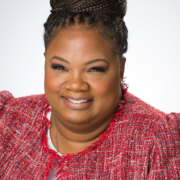
April Verrett, President of Service Employees International Union Local 2015

Earlier this year, I rolled up my sleeve…

SEIU President April VerrettBy Guest Blogger April Verrett, President of SEIU 2015

…for my COVID shot. I was tired of feeling like the virus was winning. I was sick and tired of feeling at the mercy of the whims of this unrelenting, mutating disease. I was angry that this pandemic was beating the hell out of us. So despite any fears and reservations I had about a new vaccine, I was ready to fight. And I wanted to lead by example and show that the vaccine was safe, effective, and the best way to fight against COVID-19.

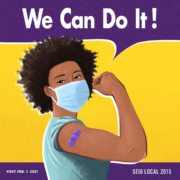
That shot was more than just a way to protect myself. Like so many have noted, wearing masks and getting vaccinated are comparable to the solidarity and community spirit our grandparents and great grandparents displayed during WWII, where the nation united and everyone did their part. That’s why our Union members referenced the iconic WWII “Rosie the Riveter” image when they launched their “We Can Do It!” vaccination campaign earlier this year. Our Union helped tens of thousands of our long-term care providers, their families, and their vulnerable clients access vaccinations across the state.In the style of the famous Rosie the Riveter poster, a person is pictured wearing mask, flexing arm, and showing vaccination bandage, saying We Can Do It

I was so relieved months earlier when the vaccine became available to essential workers in California. The more than 400,000 long-term care providers I represent every day—primarily women of color—were among the first in line. Often, their communities were the hardest hit by the pandemic. Black and brown neighborhoods throughout the state consistently suffered the highest illness and death rates.

COVID took deadly aim at our members and their elderly, sick and disabled clients. They lost many of the fragile people they cared for while they themselves struggled on the terrifying font lines of the war against COVID, often without the PPE to protect themselves. These caregivers suffer lingering trauma from seeing the ravages up close in nursing homes and private homes up and down the state. Like my sister Christine, a nurse assistant at a nursing home in Bakersfield, where they lost 19 of their patients and more than a hundred of her colleagues fell ill with COVID. It breaks my heart that this is not a unique example. I heard story after story like Christine’s.

There’s one thing that slowed this devastation and protected our members and the vulnerable people they care for: vaccination. Our members see firsthand that it’s the best weapon available to rein in this pandemic, protect against infection and hopefully slow the development of dangerous variants. It’s simple: where vaccination rates are higher, rates of infection, hospitalization and death are lower. Counties across the nation again experiencing at-capacity hospitals are, sadly, the counties that have resisted the vaccine.

I’ve never seen as much misinformation thrown at our members and our communities as I’ve seen around COVID vaccines. So, we recently started a follow-up ‘We Can Do It!’ effort to dispel the dangerous—life-threatening, really—myths about vaccination.

This summer, as employers and local and state governments began to look at ways to urge more vaccination, SEIU 2015 member leaders formed a working group to ensure that Union members would have a voice in any policy, including vaccine mandates. This group developed a set of principles to guide employers and partners in our state’s continued vaccine rollout, such as making sure the vaccine is readily available and accessible, that sick days are provided for the frequent resulting flu-like symptoms and that it’s carefully scheduled to avoid staffing shortages. Days after outlining this guidance, our Governor mandated all healthcare workers to get vaccinated. Our members overwhelmingly support vaccination, but they also want to ensure that it’s accomplished thoughtfully and respectfully for our members who remained concerned.

We can do it. Together, we will defeat COVID-19.

April Verrett is President of SEIU 2015, the largest union in California, representing more than 400,000 long-term care providers (home care, skilled nursing facility, and assisted living center workers) throughout the state. Its members are as diverse as the state’s population, but united in their commitment to caring for California’s most vulnerable: seniors and the disabled. In October, Verrett will receive an award from NCL named for our first Executive Secretary Florence Kelley. To learn more about the evening of awards, click here. 

National Consumers League supports efforts to expand Medicaid coverage

August 13, 2021

Media contact: National Consumers League – Carol McKay, carolm@nclnet.org, (412) 945-3242

Washington, DC—The National Consumers League (NCL) has long supported increased access to health coverage for all consumers, regardless of ability to pay. Among other provisions within the American Rescue Plan Act (ARPA) that aim to make health coverage more accessible, the law provides states that have not yet adopted Medicaid expansion with significant financial incentives to do so.

Beginning April 2022, ARPA would extend enhanced federal matching funds past the public health emergency for five years. This incentive is particularly critical to addressing maternal mortality in the United States, ensuring birthing people have access to health coverage in the most vulnerable stage of their lives. Currently, states can extend Medicaid coverage for up to 12 months postpartum following pregnancy for the duration of the pandemic. But once that period ends, states will have to file a section 1115 waiver to continue to extend those benefits through April 1, 2022 when the new law kicks in. To date, three states have approved 1115 waivers expanding Medicaid for up to one year postpartum.

NCL remains concerned that uninsured rates are still high in the states that have not expanded Medicaid. Even under the new law, 37 percent of nonelderly individuals living in the 12 states that have not expanded Medicaid are left uninsured. Ballot initiatives may be an avenue to enhance coverage for uninsured adults in states left to expand Medicaid. Of the states that have expanded Medicaid thus far, Idaho, Maine, Nebraska, Oklahoma, Utah, and Missouri have expanded it as a result of a ballot initiative, while the rest achieved Medicaid expansion either through their governors or state legislatures. Missouri and Oklahoma were able to secure Medicaid expansion by taking the decision straight to the polls, allowing state residents to decide. These victories at the ballot box show that Medicaid expansion is incredibly popular amongst voters in all states, despite the actions of some elected officials. In most cases, it’s largely within the power of the state governor to expand Medicaid to all residents.

Another way states are expanding Medicaid is through Section 1115 Demonstration Waivers, approved by the Centers for Medicare and Medicaid Services (CMS), which allow states to test new approaches to Medicaid in their states. Arizona, Arkansas, Indiana, Iowa, Michigan, Montana, Nebraska, New Hampshire, New Mexico, Ohio, and Utah all have approved Section 1115 waivers to operate their Medicaid expansion programs in ways not otherwise mandated under federal law. Other than New Mexico and Iowa, these Section 1115 waivers impose work requirements as a condition to qualify for Medicaid benefits. Tying health benefits to having a job is problematic in and of itself, but clearly inappropriate to enforce during a pandemic. NCL is encouraged that the Biden Administration has begun the process of withdrawing Section 1115 Demonstration Waivers that include work requirements.

Medicaid expansion is a critical element in achieving health equity, as BIPOC populations are more likely to fall in the Medicaid coverage gap. ARPA includes two years of full federal funding for Medicaid services provided by urban Indian and Native Hawaiian Health Centers. The new law also increases federal Medicaid funding for home- and community-based services (HCBS). Expanding Medicaid would yield economic benefits, as state economies are projected to increase by $350 billion in the span of three years, while also creating 1 million jobs nationwide. NCL supports all efforts leading to Medicaid expansion, which increases access to health care for more Americans.

About the National Consumers League

The National Consumers League, founded in 1899, is America’s pioneer consumer organization. Our mission is to protect and promote social and economic justice for consumers and workers in the United States and abroad. For more information, visit www.nclnet.org.

Diverse research for a diverse America: The value of equitable, real-world research

By Sally Greenberg, NCL Executive Director

While the COVID-19 pandemic has led to hardship for all Americans, it is clear that people of color have been disproportionately burdened. Across the health care continuum, addressing this disparity has become part of the broader conversation about the history of systemic racism and the underlying social determinants of health that negatively affect the mental, physical, and economic health of individuals and entire communities.

The pandemic has underscored persistent health disparities, and there is growing recognition that representation in research and clinical trials can have a profound impact on health outcomes. A lack of representation from racially and ethnically diverse groups in research and clinical trials have typically led to gaps in data, missing the opportunity to assess the full impact of various treatments and drugs across a range of populations. The collection and use of real-world research and data to inform the potential use, risks, and benefits of medical products and treatments can ultimately lead to better health outcomes, particularly for those who have been underrepresented in the past.

Existing efforts to improve inclusion

Efforts to expand diversity and representation in medical research are underway in Congress. Policymakers are encouraging the incorporation of Real World Evidence (RWE) in drug development through the recent Cures 2.0 draft legislation released by Reps. Diana Degette (D-CO-1) and Fred Upton (D-MI-6). While the status quo limits us from effectively reaching underserved populations, the proposed legislation would allow studies that include RWE for some drugs after they have been approved. At the heart of this issue is a growing appreciation that the same therapy can affect different populations in different ways, which is why Cures 2.0 supports collecting data that more accurately reflects the unique experiences and needs of patients across diverse populations.

Recognizing the potential for RWE in maternal health

The lack of representative research in the field of maternal health is undeniable, and its implications are staggering. The dismal state of maternal care in the United States reflects how our health care system has failed women of color, including by not adequately studying treatment options to prevent maternal morbidity and mortality. The need for RWE is clear when you consider the persistent disparities in health outcomes that plague minority communities.

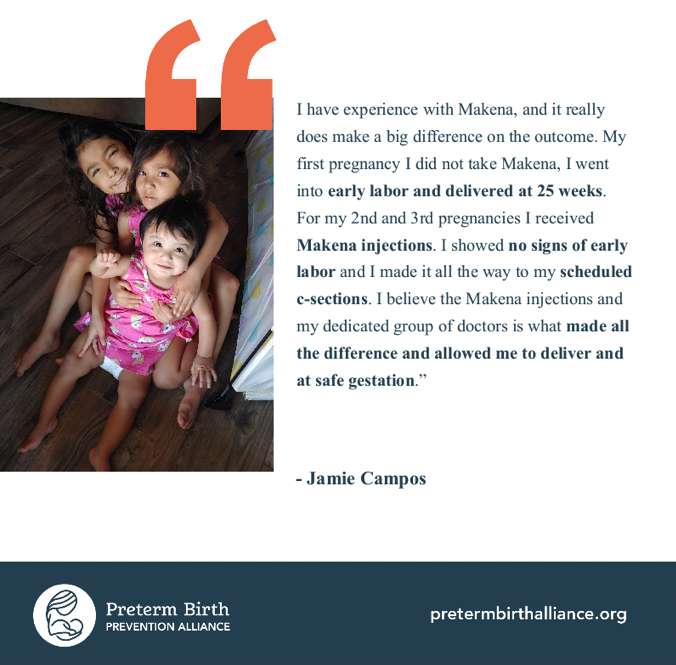
Preterm birth and its disproportionate impact on women of color is a stark illustration of the need to make progress on representative research in maternal health. Preterm birth is the second-largest contributor to infant death in America today. Despite the tremendous physical, emotional, and financial toll that preterm birth continues to take on our country — disproportionately so on women and families of color — not enough therapeutic tools currently exist to prevent it.

Today, “17P,” the only FDA-approved treatment to help reduce the likelihood of spontaneous, recurrent preterm birth in the United States is at-risk of being withdrawn from the market in all its forms, including the branded product and five generic versions. Unfortunately there is conflicting evidence from two different clinical trials, one representative of a diverse U.S. population and another studied in a largely white population in Europe. It’s not a straightforward comparison. If 17P is withdrawn, the women most affected by preterm birth, predominantly women of color, would be left without an FDA-approved treatment option.

The FDA is considering the path forward, including additional data collection through leveraging RWE from past patient use. The success of the first (approval) trial for 17P in the impacted communities signals the importance of RWE. Continued access to 17P is, at its core, a matter of health equity. Black women must not yet again be left vulnerable to a system that historically has overlooked them.

Addressing vaccine hesitancy with community-driven messaging

Nissa Shaffi

By Nissa Shaffi, NCL Associate Director of Health Policy, featuring an interview with Jens Dakin, Managing Director of AM LLC

After months of vaccine review and approval informing an arduous national vaccination campaign, nearly half of the country has been fully vaccinated against COVID-19. However, despite these efforts, we’ve narrowly missed the national goal of 70 percent of Americans receiving at least one dose by July 4. Even though there is overwhelming evidence in support of the COVID-19 vaccines and their safety, vaccine hesitancy still looms.

On July 8, the NCL health team met with Jens Dakin, Managing Director of Strategic Engagement at AM LLC. AM LLC is a health and research informatics firm that provides public health related, mission critical services in information, communications, and technology to federal, state, and local government clients. Since March 2020, AM has partnered with government agencies to control, isolate, and mitigate the spread of COVID-19 through various community engagement and vaccine quality assurance measures. Below is a snapshot of our conversation.

Nissa: For over 120 years, the National Consumers League has advocated for consumer protections in health care. A big part of our work involves fostering vaccine confidence. We do this through direct consumer engagement, testifying before federal vaccine committees, like the CDC and FDA, and our Script Your Future campaign, where we engage with pharmacy students to increase vaccine uptake. We would love it if you could tell us a little about AM Trace work in vaccine confidence.

Jens DakinJens: Thank you, and nice to meet you both. AM was founded about 10 years ago to provide services to the federal government in research, communications, and healthcare IT. When COVID-19 spread to the US there was a lot of effort by the federal and state governments to keep people safe with COVID-19 threat mitigation, and then to get people to take the vaccine. AM now provides capabilities in five critical services to state and local governments, including staffing and training of public health personnel, technology support infrastructure, public awareness outreach campaigns, stakeholder collaboration. We work with key public servants to help increase capacity pertaining to COVID operations.

Spencer: When you first enter a community, how do you get your foot in the door and begin to understand the specific needs of the community so you can begin to build your campaign strategy?

JD: Ultimately, we don’t like to enter a community cold. We undertake lots of research before hitting the ground to understand the demographics and the local context. It is important for us that our local partners know the area, the people and have the access we need. Whether it’s an African American community, or a White, rural Republican-leaning county, we can make some educated guesses, but we certainly cannot make assumptions about the individuals without the local data and insight. This initial research frames how we empathize and engage with the community, allowing us to develop more credible messages that will resonate better. We don’t tend to advocate mass media campaigns, especially now when there is a need to persuade the vaccine holdouts, because the mass campaigns haven’t worked with them.

NS: On mass vaccination campaigns, I recently came into contact with an old friend that has become increasingly anti-vaccine and cited vaccine lotteries and giveaways as suspect. Do you think that these mass efforts are causing more harm than good?

JD: I believe that they have achieved what they set out to do. They have worked to an extent, to get the people who want to be vaccinated, vaccinated. Unfortunately, there is now considerable distrust in government authority in our society – much of it caused by the spread of misinformation and disinformation. Your friend views her belief as completely rational based on the information she has. For the vaccine holdouts, the message needs to come from a trusted voice and delivered in a non-intrusive way. What we are seeing working in some cases is developing a series of different “micro-interventions”, in the form face-to-face conversations, a series of emails or chats on a group message board. We can even learn lessons from deradicalization programs that have helped to sway people away from the path towards terrorism, where we listen, understand, and engage with empathy.

NS: I really like the idea of “micro-interventions”. Is there a designated period of time you allow yourself in a particular community to test these messages and strategies to see if they land before moving on from that group?

JD: We have to test and adjust all the time. This is an evolving situation. You really just need to remember that when you convince someone to get vaccinated, you’re potentially saving their life. If you keep building that relationship with the community, that can end up going a long way. This is why it’s so important that our local messengers, or canvassers, are all from the communities we are engaging within.

NS: Could you provide some examples of success stories as a result of these interventions?

JD: In NYC, AM’s teams have spoken with over 180,000 residents and as a direct result of our personalized messaging campaigns and direct engagement within [mainly minority] communities, encouraged over 50,000 people to book vaccination appointments. In Anchorage AK, AM’s teams identified, contacted, and built relationships with individuals living in both urban and rural communities with the goal of addressing vaccine hesitancy and booking vaccination appointments. During a single 6-week span of all the unvaccinated people they spoke with, they arranged for nearly 20 percent of them to get vaccinated.

NS: Who do you use in community outreach to build these relationships?

JD: We don’t tend to use professional canvassers. We prefer to recruit and train local canvassers specifically from their community. We speak with the community and individuals to find out who the local influencers are – who they trust. We meet with them and ask them to work with us because need them to become our message multipliers within that community.

NS: The COVID-19 vaccine development and approval process has been as novel as the disease itself. We’ve had the privilege of witnessing science unfold in real time, and along with that, comes a lot of trial and error, as we’ve seen with the momentary pause in the J&J vaccine and the new cases of myocarditis in pediatric populations. How do you mitigate the derailment of messaging, which have been extensively tested, by rise in these developments?

JD: Well, we know that with these holdouts, and these “wait and see” groups, science and facts won’t sway them. The issue is not necessarily about vaccine information, there is a lot of information out there. So, if you’re using science to try to convince people who are ideologically entrenched in one belief or another, they might not understand what you’re trying to say which will turn them off, or they may come up with counter arguments or “counter-facts” that support their own beliefs. They may also exist in information silos, or information echo chambers, that feed them information which confirm their biases. So no, using science will often not work with hold out groups. Which is why we need to find more innovative methods that focus on more accessible and personal benefits of vaccination.

NS: AM trace has a great vaccine confidence toolkit for community leaders which mentions the importance of decision autonomy for patients in vaccine confidence. With public sentiment headed towards vaccine mandates, to possibly issuing vaccine passports– do you see any challenges with that? How can advocates help reduce weariness around these initiatives in a way that is aligned with an individual’s constitutional rights?

JD: As communicators, we should not have any say in developing policy. Whether vaccine mandates are right or wrong, is not an issue I will discuss here. What I will say is that for those employers and institutions who are mandating it, when developing their campaign is that words matter, and the messaging and messengers matter. Employers need to understand that their ‘single’ workforce is made up of many separate communities each with their own concerns and beliefs. You need to understand the behavioral and emotional context that people exist in order to have the best chances of success. The toolkit you mentioned provides communication planners with an overview of what to consider when developing behavior change campaigns. It works very well in the COVID-19 context.

NCL Health Policy Intern Spencer Cramer contributed to this blog.

Don’t forget to take advantage of Healthcare.gov Special Enrollment Period

By Special Guest Kelley Schultz, Executive Director, Commercial Policy, America’s Health Insurance Plans and NCL Director of Health Policy Jeanette Contreras

More than 2 million Americans nationwide—1.5 million in healthcare.gov states, and an additional 600,000 individuals in states that run their own exchanges—have signed up for coverage during the 2021 Marketplace Special Enrollment Period that extends through August 15. Earlier this year, President Biden launched a new special enrollment period for the 36 states using healthcare.gov—and states that run their own marketplaces followed suit—to help people get health coverage and peace of mind.

Millions of Americans still have the opportunity to enroll in new health insurance plans through the healthcare.gov marketplace, whether they’re uninsured or currently enrolled and wish to switch plans.

The American Rescue Plan Act of 2021 temporarily increased the availability and generosity of the Affordable Care Act’s premium subsidies. As a result, 3.7 million Americans are eligible for expanded financial assistance to make premiums more affordable, including people who didn’t qualify for financial assistance before.

This Special Enrollment Period is a crucial opportunity as the country comes out of the COVID-19 pandemic and the financial hardship experienced by many—a quarter of U.S. adults say they or someone in their household has been laid off, with even more seeing reduced pay. The expanded opportunity for people to enroll in marketplace health plans with enhanced affordability is a major development that will provide much needed assistance to Americans who have faced economic stresses over the past year.

The deadline to enroll in coverage during the healthcare.gov Special Enrollment Period is August 15. States that run their own exchanges may have different deadlines, so consumers should check when their state’s special enrollment period ends. Additionally, current enrollees should return to healthcare.gov to check to access enhanced subsidies to lower their monthly premium and see if they can get additional savings by switching to a high-value plan with lower cost sharing.

The relief bill extended subsidies to 3.7 million people to help lower their monthly premiums and out-of-pocket costs, including people with incomes over 400% of the Federal Poverty Level ($51,040 for an individual or $104,800 for a family of four). Anyone with incomes below 150% of the federal poverty level ($19,140 for an individual or $39,300 for a family of four) is eligible for a high-value plan with a $0 premium and a very low deductible.

These increased subsidies make quality health insurance coverage more affordable for millions of Americans who are encouraged to visit healthcare.gov or their state exchange to see how they can sign up. Health coverage will start on the first day of the month after you select a plan, so it is important that enrollees consider this timeline while making their decisions.

Some SEP resources:

  • For help selecting a plan in any number of languages, you can access a navigator in your area here.
  • More information about the health insurance marketplace and the Special Enrollment Period can be found here.
  • Use a decision tree tool to see if you are eligible for the special enrollment period and get other fast facts here.

NCL commends HHS interim final rule regarding surprise billing protections

Media contact: National Consumers League – Carol McKay, carolm@nclnet.org(412) 945-3242

Washington, DC—The National Consumers League (NCL) welcomes the Department of Health and Human Services (HHS) announcement of an interim final rule regarding surprise billing protections, to take effect on January 1, 2022. This rule is a major element of the implementation of the No Surprises Act, which was passed in December as part of the omnibus spending bill. It will eliminate surprise medical bills which have devastated American consumers for far too long.

Patients can be vulnerable to surprise medical bills when they unknowingly receive out-of-network care. This often happens in emergencies, where a patient does not have the luxury to choose an in-network provider, or when an out-of-network doctor such as an anesthesiologist provides ancillary care at an in-network facility. These charges can lead to sky-high bills for patients, often while they are dealing with unforeseen circumstances. Patients frequently forgo necessary care in fear of receiving surprise bills that could possibly subject them to medical debt. Surprise medical bills negatively impact patients, employers and taxpayers, leading to $40 billion in premium increases every year because certain providers can leverage their ability to leave the network for higher reimbursement rates.

Thankfully, the No Surprises Act and the new rule announced by HHS put a stop to most of these surprise billing practices, promising a major victory for consumers. The new rule:

  • Prohibits out-of-network cost-sharing for emergency care that is higher than in-network rates
  • Prohibits out-of-network charges for ancillary care provided at an in-network facility
  • Prohibits surprise billing for out-of-network air ambulance services
  • Requires advance notice and patient authorization for non-emergency care performed out-of-network

Under these new protections, consumers will be “held harmless,” and will gain relief from unscrupulous surprise charges. The requirements for transparency in billing and advance notice for out-of-network care will allow consumers to play a greater role in their own healthcare and ensure that they are safeguarded from unexpected costs while seeking care.

NCL applauds members of Congress and HHS Secretary Xavier Becerra for their bipartisan leadership in passing these protections into law and implementing the new rule. The No Surprises Act had been in legislative limbo for years, with no definitive agreement in place for its passage. The work of Senators Maggie Hassan (D-NH), Bill Cassidy (R-LA), and Patty Murray (D-WA) and former Senator Lamar Alexander (R-TN), alongside Representative Frank Pallone (D-NJ) and former Representative Greg Walden (R-OR) to at last secure the passage of the No Surprises Act is applauded. Their efforts will result in desperately needed protections for American consumers and fix one of the many flaws in America’s healthcare system.

As stated by Secretary Becerra, “Health insurance should offer patients peace of mind that they won’t be saddled with unexpected costs. The Biden-Harris Administration remains committed to ensuring transparency and affordable care, and with this rule, Americans will get the assurance of no surprises.” This rule will protect consumers and lead to a better functioning healthcare system. We hope that Secretary Becerra will continue to build on the positives of the new interim rule as HHS develops the final rule to implement the No Surprises Act and give healthcare consumers the protections that they deserve.

###

About the National Consumers League

The National Consumers League, founded in 1899, is America’s pioneer consumer organization. Our mission is to protect and promote social and economic justice for consumers and workers in the United States and abroad. For more information, visit www.nclnet.org.

Intern Spencer Cramer

Gun violence is a public health crisis—We must treat it like one

Intern Spencer CramerBy Spencer Cramer, NCL Health Policy Intern

Spencer is a student at Brandeis University, where he is studying Politics and Health: Science, Society & Policy.

Most Americans are all too familiar with our country’s gun violence epidemic. In a typical year, around 40,000 Americans are killed by a firearm, including deaths from homicides, suicides, and accidents. Gun related fatalities in other high-income countries pale in comparison to those of the U.S. Based on 2010 data from the Organization for Economic Co-operation and Development (OECD), Americans were over 10 times more likely to be killed by a gun than people in Australia, a country that once dealt with a similar gun violence problem. This crisis comes in the form of street crime, domestic violence, accidents involving children, and the mass shootings that seem to occur on a multi weekly basis.

Of particular concern has been the rise in gun violence during the COVID-19 pandemic. Last year, 2020, saw a 10 percent increase in gun deaths over the previous year, fueled primarily by a 25 percent rise in homicides and accidental gun deaths. Experts say the recent spike is due to the economic and social stresses of the pandemic, and the numbers are showing no signs of abating as we open back up post-COVID.

What can we do to address this terrible situation? Sadly, the typical debate pits stricter gun control measures against Second Amendment absolutists who believe any gun reform measure to be a threat to their freedom. But those absolutists have outsized power. According to a recent poll, approximately 2 in 3 Americans support stricter gun control measures, with certain policies like enhanced background checks gaining even higher support. Yet attention to the spike in gun violence perversely spikes sales of firearms.

For many years, thoughtful experts have argued that America’s gun violence problem must be viewed as a public health crisis. That approach allows researchers and policymakers to tackle the problem from multiple angles, like understanding why people commit violence, creating safer environments, and implementing common-sense gun violence prevention measures.

The first step to a public health effort should be far-ranging research on gun violence so we can have the proper knowledge to inform policy solutions. Unfortunately, until very recently the federal government was barred from researching gun violence. The Dickey Amendment has been attached to federal spending bills since 1996 and had banned the Centers for Disease Control and Prevention (CDC) from researching gun violence. For the first time, in 2018, the Dickey Amendment was reinterpreted, allowing research to be conducted as long as it does not specifically advocate for gun control policies. After this reinterpretation, Congress proceeded to provide $25 million in funding for gun violence research.

Unfortunately, this funding is a pittance compared with the scope of the crisis. For reference, the National Institutes of Health (NIH) provided $170 million in funding for back pain research in 2019. To meet the scale of the gun violence epidemic, we must dramatically increase funding for research so we can properly direct resources to fight the problem.

We often view gun violence as an issue of criminal justice that narrowly focuses on prosecuting homicides and gun crimes. Many policy solutions therefore involve traditional gun control methods: assault weapons bans, enhanced background checks, and stronger law enforcement tactics to target gun crimes. But by treating gun violence as a public health issue, researchers can undertake a wide-ranging holistic approach that accounts for the numerous societal factors that contribute to gun violence.

A public health approach to the gun violence epidemic—if done well—could be as successful as the campaigns to reduce smoking and automobile accidents. To combat cigarette smoking, we engaged in a multi-pronged strategy involving tobacco taxes, age restrictions, public awareness campaigns, and bans on smoking in many public spaces. These measures have resulted in the adult smoking rate to fall by *nearly 70 percent since the 1960’s. Similarly, to deal with vehicular accidents and deaths, we instituted new safety measures in cars and on roads, improved licensing restrictions, enacted tough DUI laws, and better traffic enforcement. As a result of these solutions, deaths from car crashes have fallen dramatically over the last few decades.

Similarly, strategies to combat gun violence can include better mental health services, doctors consulting their patients on gun safety, better firearm safety training, or improved designs of guns that reduce the risk of accidents. It may also involve creating a safer society overall, where lower poverty rates and better economic prospects will naturally lead to less violence. Of course, better gun control policies are needed, but we should think of them as one important part of a larger public health strategy for fighting the gun violence epidemic.

Firearm deaths have shown no signs of letting up—in fact they are exploding. Gun violence has reached horrific levels in the U.S. and tragically destroys many lives. By recognizing this epidemic as a public health crisis, we can address the issue from many different societal perspectives. We need gun control, but we also need stronger mental healthcare, community interventions, poverty reduction, even safer firearms. Any successful public health effort must embrace an all-of-the-above approach. America’s campaigns against cigarettes and automobile deaths should serve as examples to lead our struggle against gun violence. By finally investing in robust research and multiple solutions for gun violence, we can start to eliminate the scourge of gun violence in our society.

*Links are no longer active as the original sources have removed the content, sometimes due to federal website changes or restructurings

Addressing health inequities for LGBTQ communities: During PRIDE month and 365 days a year

Nissa Shaffi

By Nissa Shaffi, NCL Associate Director of Health Policy

Last summer drew striking parallels to the summer of 1981, when another public health threat raged on: the HIV/AIDS crisis. Exactly 40 years ago, the first cases of AIDS were reported by the Centers for Disease Control and Prevention (CDC). Similar to COVID-19, patients struck by a novel illness desperately sought answers to what was ailing them. An absence of public health guidance led to a culture of paranoia, stigma, and discrimination that ostracized patients already vulnerable and afraid.

It wasn’t until 1985 that President Reagan officially publicly uttered the word “AIDS.” Inaction on part of the Reagan Administration to identify AIDS as a public health emergency, and fear-based messaging targeting the LGBTQ community, egregiously mischaracterized AIDS as a “gay plague.” His reticence up until that point hindered urgent dialogue and impeded critical funding for research for the disease.

Since its initial reporting, more than 32 million people have died from the disease and 38 million currently live with the HIV virus, which can later develop into AIDS. Exacerbated by an ill-coordinated and inadequate response, HIV/AIDS was once a death sentence. Over time, thanks to concerted public health efforts, our society has made great strides in HIV testing, education, and prevention strategies. Presently, with credit to biomedical advancements in treatments, such as antiretroviral therapies, the illness is now a treatable and manageable chronic condition.

As we celebrate these monumental victories in medical ingenuity, we must also acknowledge the vast health inequities that continue to persist for LGBTQ individuals. In 2016, the National Institutes of Health (NIH) formally recognized LGBTQ individuals as a health disparity population. There is mounting evidence that indicates the disproportionate disease burden experienced by the community with regard to mental health, diabetes, hypertension, cancer, heart disease, and exposure to violence.

Research shows that LGBTQ individuals who live in communities with high levels of anti-LGBTQ prejudice die sooner—12 years on average—than those living in more accepting communities. Queer and Trans people of color (QTPOC) face even higher rates of fatal violence, as 44 transgender and gender non-conforming people died to anti-trans violence in 2020.

Due to workplace discrimination against sexual and gender minorities (SGMs), there is a high prevalence of health coverage insecurity among LGBTQ individuals. As Johns Hopkins professor, William Padula, elaborates, “most employer-based healthcare plans are cookie cutter plans, meaning they are the same for everybody. People in the LGBTQ community may need a little more, especially those who are transgender.”

Early data from the COVID-19 pandemic reveals LGBTQ individuals have faced higher rates of unemployment than non-LGBTQ people. Due to the various vulnerabilities experienced by this community, data also shows that LGBTQ people are more inclined to adhere to social distancing, vaccine uptake, and general pandemic-related precautions. This is an interesting revelation when considering the general weariness many LGBTQ people have towards health care providers due to fear of stigma and discrimination.

LGBTQ and QTPOC individuals are identity rich people that often navigate multiple intersections in society. In order to better serve the needs of these patients, health providers and advocates will need to become increasingly adept in providing culturally competent care. Inclusive practices as simple as asking a patient what their pronouns are can help reduce anxiety and foster trust when seeking care. The CDC has culled a comprehensive *state-by-state list of LGBTQ affirming healthcare facilities, hotlines, and resources.

June marks PRIDE month, a celebration of the impact the LGBTQ community has made on all aspects of society to assert everyone’s dignity to love and live in alignment with their truth. NCL supports the Equality Act and commends the Administration’s $6.7B investment in the CDC’s Ending the HIV Epidemic initiative that aims to reduce new HIV cases by 2030. To honor the legacy and sacrifices of LGBTQ persons, we need to advance legislative efforts that support access to healthcare, increase funding for research, and encourage meaningful, affirming change for our LGBTQ friends, family, and peers.

*Links are no longer active as the original sources have removed the content, sometimes due to federal website changes or restructurings.

NCL comments on pediatric COVID-19 vaccines before CDC’s Advisory Committee on Immunization Practices

Media contact: National Consumers League – Carol McKay, carolm@nclnet.org(412) 945-3242

Washington, DC—Today, June 24, 2021, NCL Director of Health Policy Jeanette Contreras, submitted written testimony to the Center for Disease Control and Prevention’s Advisory Committee on Immunization Practices in support of pediatric COVID-19 vaccines. Her comments appear below.

José R. Romero, MD, FAAP, Chair
Advisory Committee on Immunization Practices
Centers for Disease Control and Prevention
1600 Clifton Road, N.E., Mailstop A27
Atlanta, GA 30329-4027

RE: Docket No. CDC- 2021-0060; rescheduled from June 18; new docket no. CDC-2021-0034

Good afternoon. My name is Jeanette Contreras, and today I am representing the National Consumers League (NCL), which for over 120 years has championed the overwhelming safety and efficacy of vaccines and promoted vaccine education. Consumer access to these lifesaving medical interventions is critical. I am also speaking today as a mother of two boys, ages 8 and 9. I appreciate the opportunity to provide public comment before this advisory committee.

The U.S. has reached a tragic 600,000 deaths as a result of COVID-19. The virus continues to spread and mutate around the world. Sadly, 330 children and adolescents are among the 600,000 deaths. Although preexisting medical conditions clearly predispose children to severe disease, healthy children are also at risk for severe COVID-19 and multisystem inflammatory syndrome (MIS-C). Though MIS-C is a rare condition associated with COVID-19, Black and Hispanic children are disproportionately affected, making up 64% of the cases observed in children 1-14 years of age.

Though there is reason to be concerned about the increase in cases of myocarditis or pericarditis following the second shot of the Pfizer and Moderna vaccines, consumers should be reassured that the safety monitoring system, Vaccine Adverse Event Reporting System (VAERS), is working as intended. Federal health officials are investigating the rare cases of which the most common symptoms reported were chest pain, elevated cardiac enzymes, ST or T wave changes, dyspnea and abnormal echocardiography or imaging. We applaud the Centers for Disease Control and Prevention (CDC) for releasing clinical guidance to providers alerting them to consider myocarditis and pericarditis in adolescents or young adults with acute chest pain, shortness of breath, or palpitations. So far, 80 percent of patients reported have made a full recovery.

We commend the coordinated efforts of the U.S. Food and Drug Administration and CDC to monitor the safety and efficacy of the vaccine. The COVID-19 vaccine has been administered safely to over 150 million Americans, and we are on target to reach herd immunity by October, with at least 70% of Americans vaccinated. Given the remarkable evidence of safety and efficacy of the COVID-19 in adults, parents should be assured that the vaccine will keep their children safe.

Our children are vaccinated for measles, rubella, polio, diphtheria, typhoid, and other routine childhood vaccines that have for decades prevented deadly illnesses that historically killed millions of children. Today, thanks to vaccine adherence, these illnesses have virtually been eradicated and far rarer than COVID-19. Unfortunately, uptake for routine pediatric immunizations have declined during the pandemic. It is essential we ensure that children are up to date with their vaccines. We are excited that data show the COVID-19 vaccine can safely be co-administered along with routine pediatric vaccinations. As we consider future educational outreach campaigns to increase vaccine confidence, we should encourage families to seek recommended immunizations for their children along with the COVID-19 vaccine.

As states lift public health emergency protocols across the country, too many of our children remain unnecessarily unprotected. According to the American Academy of Pediatrics, as of June 10, over 4 million children have tested positive for COVID-19 since the onset of the pandemic. About 14,500 new child cases were reported last week. We are only beginning to understand the long-term health effects associated with COVID-19, which include extreme fatigue, rapid heart rate, memory loss, gastrointestinal problems and other symptoms that are lasting months after infection. There is a need to collect more data on the long-haul effects on children, and to provide assistance to families who are struggling to find care for their children. We urge the CDC to provide guidance to providers and patients on what to look for when treating children who were previously infected with COVID-19.

As I dropped my 8-year-old at camp yesterday, I was telling him how beginning July 1 we won’t need to wear masks. He asked me “is that because everybody will be vaccinated- except me?” My husband and I are vaccinated, but our family is still at risk of being infected by any of the emerging variants. And when school-aged children return to the classroom in the fall, we may face a spike in pediatric cases.

Through our education and outreach efforts, the National Consumers League will continue to support efforts to vaccinate the nation across lifespan. The absence of a COVID-19 vaccine for pediatric populations will lead to continued transmission and leave children at risk for infection. To achieve meaningful herd immunity, we will need to ensure that children have access to a safe and effective COVID-19 vaccine, and also consider the unique disparities that children of color experience in the face of the pandemic.

Thank you to the Committee for your consideration of our views on this important public health issue.

Sincerely,

Jeanette Contreras, MPP
Director of Health Policy
National Consumers League

###

About the National Consumers League

The National Consumers League, founded in 1899, is America’s pioneer consumer organization. Our mission is to protect and promote social and economic justice for consumers and workers in the United States and abroad. For more information, visit www.nclnet.org.