NCL celebrates White House’s affirmation of Equal Rights Amendment ratification 

Media Contact: Lisa McDonald, Vice President of Communications, 202-207-2829

Washington, DC – Today, the *president of the United States affirmed that the Equal Rights Amendment became the 28th amendment to the Constitution when Virginia became the 38th state to ratify the measure in 2020. The amendment prohibits discrimination based on sex, which would solidify protections for both consumers and workers.

There was a time not so long ago when women couldn’t get their own credit cards, couldn’t sign a mortgage or open a bank account in their own names. They needed their husbands or fathers to co-sign. And a time when women couldn’t be hired for certain jobs that were deemed too dangerous or unsavory. Laws adopted since have helped protect against that kind of discrimination, but laws can be altered or amended.

The ERA would guard against any rollbacks of women’s rights by legislation or court cases that are often politically motivated. Indeed, in recent years, many of the equality gains made by the women’s rights movement have been weakened.

“Non-discrimination is the basis for all other consumer protections,” said NCL CEO Sally Greenberg. “Non discrimination in goods and services without bias against gender, should be a fundamental right. It’s long past time the Constitution officially protected Americans from sex-based prejudice.”

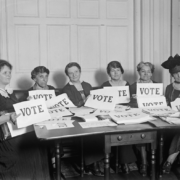
The movement for the Equal Rights Amendment has been over a century in the making. Legal experts from the American Bar Association to the American Civil Liberties Union agree that the amendment has reached the requisite thresholds for ratification to the Constitution.

NCL extends gratitude to President Joe Biden for his record of championing rights and protections of all citizens and for his outstanding consumer and worker initiatives throughout his four years in office.

*Links are no longer active as the original sources have removed the content, sometimes due to federal website changes or restructurings.

###

About the National Consumers League (NCL)

The National Consumers League, founded in 1899, is America’s pioneer consumer organization.  Our mission is to protect and promote social and economic justice for consumers and workers in the United States and abroad.  For more information, visit nclnet.org.


NCL urges timely action to require standardized alcohol content, nutrition and allergen labeling on beer, wine, and distilled spirits products

Media Contact: Lisa McDonald, Vice President of Communications, (202) 207-2829

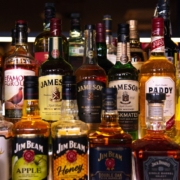
Washington, DC – Having pressed the Treasury Department’s Alcohol and Tobacco Tax and Trade Bureau (TTB) for over two decades to require alcohol labeling on beer, wine, and distilled spirits products, the National Consumers League today called for an expedited process to finalize and implement a new TTB rulemaking that will give consumers the same important facts about the content of an alcoholic beverage that is now is readily available on all other beverages, food products, and dietary supplements.

TTB’s rulemaking, published in the Federal Register on January 17, 2025, includes two proposed rules, both of which are necessary for the 62 percent of adult Americans who drink to make responsible drinking decisions. The first rule would require a standardized label, similar to the Nutrition Facts label commonplace on food and beverage products, that tells consumers the percentage of alcohol per volume, the alcohol content in fluid ounces, and the calories, carbohydrates, fat, and protein per serving. The second rule requires listing allergens in the alcoholic beverage, which is important to the 33 million people in the US who have at least one food allergy. Currently, manufacturers of TTB-regulated beer, wine, and distilled spirits are not required to declare the presence of major allergens which are used as ingredients or processing agents.

Noting that overconsumption of alcohol is a costly public health problem that has become much worse in recent years, as alcohol-related deaths have risen substantially, NCL stated that the proposed labeling rules are long overdue to protect the health and safety of the public. According to the latest estimates, alcohol accounts for 30 percent of all traffic crash fatalities in the US, is a source of empty calories that contribute to obesity, and excessive drinking increases the risk of liver disease, hypertension, cardiovascular disease, alcohol use disorders, certain cancers, and severe injuries.

“While NCL is pleased that TTB published these labeling rules, the agency has a long history of asking for public comments, holding listening sessions, and publishing proposed alcohol labeling rules that are never finalized,” said Sally Greenberg, NCL’s CEO. “This is why we are pressing for an expedited process, because the health and safety of the public is at stake.”

###

About the National Consumers League (NCL)

The National Consumers League, founded in 1899, is America’s pioneer consumer organization.  Our mission is to protect and promote social and economic justice for consumers and workers in the United States and abroad.  For more information, visit nclnet.org.

NCL applauds DOT’s historic actions to require realistic airline scheduling 

Media Contact: Lisa McDonald, Vice President of Communications, (202) 207-2829

Washington, DC – The U.S. Department of Transportation (DOT) announced a lawsuit yesterday against Southwest Airlines for chronically delayed flights. The lawsuit marks the first time an airline will face DOT charges in court for unrealistic scheduling. In the same announcement, DOT stated it issued a fine against Frontier Airlines for the same illegal conduct. This announcement came just weeks after the Department levied its first ever fine for chronically delayed flights against JetBlue Airlines.

“Advertised schedules should mean something. And when airlines habitually fail to meet their schedules, they should be held accountable,” said NCL Vice President John Breyault. “DOT’s actions have set a welcome precedent for future consumer protection action. We encourage the incoming Trump Administration to build on this record and continue protecting the flying public from illegal conduct.”

In all three of the cases, the airlines flew consistently delayed routes over the course of several consecutive months, according to flight performance data carriers regularly submit to DOT’s Bureau of Transportation Statistics. Flight disruptions can quickly rack up costs for affected travelers who might seek rebooking or alternative transportation, require overnight accommodations, or miss scheduled events.

Further reading:

###

About the National Consumers League (NCL)

The National Consumers League, founded in 1899, is America’s pioneer consumer organization.  Our mission is to protect and promote social and economic justice for consumers and workers in the United States and abroad.  For more information, visit nclnet.org.

NCL applauds proposed FTC rules on MLM and other business opportunities

Media Contact: Lisa McDonald, Vice President of Communications, (202) 207-2829 

Washington, DC – Yesterday, the Federal Trade Commission (FTC) proposed new and updated rules to combat deceptive earnings claims in the multi-level marketing (MLM) industry and, relatedly, business coaching and investment offers. NCL supports the FTC’s rulemakings and urges the incoming Trump Administration to see the initiatives finalized. 

“Working to keep Americans from being ripped-off is a bipartisan issue,” said NCL Vice President John Breyault. “We are glad the FTC is stepping up to protect individuals from being led into debt traps with false promises. The incoming Trump Administration should finalize these rules and bring an end to these unfair and deceptive business practices.” 

When the FTC voted to begin its rulemaking on earnings claims in 2022, the rulemaking moved forward on a bipartisan, 4-0 vote. The 2022 vote to review the Business Opportunity Rule was also a bipartisan, 4-0 vote. Without finalized rules, it is harder for the FTC to secure financial compensation for victims of deceptive MLMs and other similar firms. 

NCL’s joint comments with Consumer Federation of America in response to the 2022 advanced notice of proposed rulemaking on earnings claims can be found here. 

### 

About the National Consumers League (NCL)  

The National Consumers League, founded in 1899, is America’s pioneer consumer organization. Our mission is to protect and promote social and economic justice for consumers and workers in the United States and abroad. For more information, visit www.nclnet.org. 

Statement on the need for the CMS Rule on Coverage of Obesity Medications

Media contact: National Consumers League – Lisa McDonald, lisam@nclnet.org, 202-207-2829

Washington, DC – We, the undersigned organizations, are enthusiastically supportive of the proposed rule by the Centers for Medicare & Medicaid Services (CMS) to align coverage policy to reflect the prevailing medical consensus that obesity is a chronic disease. We urge the incoming administration to finalize this policy through the rulemaking process. By extending access to obesity medications for people living with obesity who lack access to comprehensive evidence-based care in Medicare and Medicaid, the proposed CMS rule would address an urgent health crisis and leading contributor to the “Unhealth” of Americans. If action is not taken, the total number of adults with overweight or obesity will reach 213 million. To achieve making America healthier, obesity must be addressed, treated and managed effectively.

Medicare Part D’s prohibition of coverage for “weight loss” medications is a major barrier for older Americans and those living with disabilities, and many dual eligible beneficiaries, to receiving medically necessary, safe, and effective FDA-approved pharmacotherapy to treat obesity. Medicare’s current categorization and restriction is outdated. It does not align with current medical evidence, standards of care or the understanding of the disease.

The CMS proposed rule would require coverage for obesity medications under Medicare and Medicaid by acknowledging obesity as a chronic condition. We wholeheartedly agree with the rule’s proposal to reinterpret these medications for the treatment of obesity, that would provide coverage under Medicare and Medicaid.

Obesity is a treatable chronic disease that plays a major factor in many other conditions such as type 2 diabetes, hypertension, heart disease, fatty liver disease, kidney disease, lipid disorders, certain cancers, sleep apnea, arthritis, and mental illness. The treatment of obesity requires a comprehensive approach including administering intensive behavioral therapy (IBT) and bariatric surgery under Medicare Part B and providing Medicare Part D coverage for Food and Drug Administration (FDA) approved obesity medications.

The obesity epidemic has had a negative impact on our nation’s health and economy. Among older adults (aged 60+), the prevalence of obesity is 42.8 percent, similar to the level among younger and middle-aged adults. More than 20 percent of the population will be 65 years of age or older by 2030, up from 15 percent today, highlighting the importance of addressing obesity among older Americans. Among Medicaid beneficiaries, the prevalence of obesity is 38 percent, while the prevalence of overweight and obesity is 70 percent among Medicaid adults.

Without treatment Medicare and Medicaid beneficiaries with obesity risk further health deterioration and an increased likelihood in the onset of complications including obesityrelated cancers, type 2 diabetes, and end stage renal disease. Additionally, people with
severe obesity have a 48 percent higher risk of physical injury including falls which lead to higher costs and mortality rates.

The new administration must take action to address this crisis, by allowing Medicare and Medicaid to offer comprehensive obesity care for the millions of Americans who need these services and treatments. This action would improve the health of individuals before they enter the Medicare program, thereby supporting better health and reducing long-term costs.

A Philip Randolph Institute
Academy of Nutrition and Dietetics
Alliance for Aging Research
Alliance for Patient Access
Alliance for Women’s Health and Prevention
American Academy of Physician Associates
American Association of Clinical Endocrinology
American College of Occupational and Environmental Medicine
American Diabetes Association
American Gastroenterological Association
American Kidney Fund
American Liver Foundation
American Medical Women’s Association
American Psychological Association Services
American Society for Metabolic and Bariatric Surgery
American Society for Nutrition
Association of Diabetes Care & Education Specialists
Bone Health & Osteoporosis Foundation
California Black Health Network
California Chronic Care Coalition
CancerCare
Caregiver Action Network
Center for Patient Advocacy Leaders (CPALs)
Choose Healthy Life
Chronic Care Policy Alliance
Color of Gastrointestinal Illnesses
ConscienHealth
Crohn’s & Colitis Foundation
DCM Foundation
Diabetes Leadership Council
Diabetes Patient Advocacy Coalition
Endocrine Society
Fatty Liver Foundation
Gerontological Society of America
Global Liver Institute
HealthyWomen
ICAN, International Cancer Advocacy Network
League of United Latin American Citizens (LULAC)
Liver Coalition of San Diego
Looms For Lupus
Lupus and Allied Diseases Association, Inc.
Lupus Foundation of America
MacDonald Center for Nutrition Education and Research
MANA, A National Latina Organization
Michigan Academy of Nutrition and Dietetics
Missouri Chapter of the American Academy of Pediatrics
Missouri Psychological Association
Movement is Life
National Alliance for Caregiving
National Asian Pacific Center on Aging (NAPCA)
National Association of Hispanic Nurses
National Black Nurses Association, Inc
National Caucus and Center on Black Aging
National Consumers League
National Council on Aging
National Hispanic Council on Aging
National Hispanic Health Foundation
National Hispanic Medical Association
National Kidney Foundation
National Psoriasis Foundation
Nevada Chronic Care Collaborative
Obesity Action Coalition
Obesity Care Advocacy Network
Obesity Medicine Association
PAs in Obesity Medicine
RetireSafe
Society for Women’s Health Research
Society of Behavioral Medicine
STOP Obesity Alliance
The American Society for Preventive Cardiology
The Mended Hearts, Inc.
The Obesity Society
WomenHeart
YMCA of the USA

###

About the National Consumers League (NCL) 

The National Consumers League, founded in 1899, is America’s pioneer consumer organization. Our mission is to protect and promote social and economic justice for consumers and workers in the United States and abroad. For more information, visit www.nclnet.org.

Statement on the death of President Jimmy Carter from NCL CEO Sally Greenberg

January 1, 2025

The National Consumers League (NCL) extends condolences to the family, friends, and community of former President Jimmy Carter upon his death this week. In addition to being an honest and effective Commander in Chief and humanitarian who expanded access to housing for low-income families through his work on Habitat for Humanity, President Carter should also be remembered as a great consumer champion.

During his presidency, Mr. Carter championed consumer protection in a variety of ways. He appointed labor and consumer champion Esther Peterson, who also served as president of the National Consumers League, to head the White Office of Consumer Affairs. Like President Lyndon Johnson (LBJ)  before him, who first named Peterson to the post of Special Adviser to the President Jimmy Carter understood that consumer rights permeate citizens’ experiences with companies and with government.

Unlike his processor, Mr. Carter gave Mrs. Peterson a staff and access to him personally in the Oval Office. As such, Mr. Carter elevated consumer protection far beyond LBJ’s decree. Along with re-appointing Esther Peterson, Carter issued a historic decree in April of 1978, “Memorandum from the President on Consumer Affairs,” the first of its kind, directing the heads of every government agency to take a series of steps to prioritize consumer protection. 

Notably, Mr. Carter stated that “the Agency for Consumer Advocacy is mainly designed for participation in very large administrative proceedings; it is only one of a number of steps which will better protect the consumer.”

On a personal note, I had the honor of meeting President Carter in 1978, when he appointed my aunt, Geri Joseph, to serve as Ambassador to the Netherlands. I was lucky to be able to attend her swearing-in ceremony in the Oval Office. I found him to be kind and charming; despite a number of pressing matters, he took the time to introduce himself to every member of our family who was gathered for the occasion. 

###


NCL hails FTC ban on hidden junk fees in ticketing and lodging

December 17, 2024

Media contact: National Consumers League – Lisa McDonald, lisam@nclnet.org, 202-207-2829

Washington, DC – Today, the FTC announced its final rule banning hidden junk fees in live-event ticketing and short-term lodging. NCL has long advocated for such a ban at the federal level and applauds the Commission for enacting this critical consumer protection regulation.

“Sellers in these industries can no longer lie to consumers to make a buck. The FTC’s final rule is a common-sense policy that will make the ticketing and lodging marketplaces fairer for everyone involved,” said NCL Vice President John Breyault. “The price that’s advertised is the price that you should pay.”

This single rule by the FTC will result in billions of dollars in savings for consumers. A non-partisan federal study of the ticketing industry found that primary and secondary ticket sellers charged fees averaging 27% and 31%, respectively, of the ticket’s price. Regarding lodging, the Council of Economic Advisers *estimated that consumers lose $3.3 billion annually to hotel junk fees.

Further reading:

2024 public comments of the National Consumers League and 51 other organizations supporting the FTC’s proposed rule to ban junk fees

2024 public comments of the Break Up Ticketmaster Coalition (NCL and 14 other organizations) supporting the FTC’s proposed rule

2023 testimony of NCL’s CEO before the United States Senate on the need to prohibit junk fees

2023 public comments of the National Consumers League and 41 other organizations supporting the FTC’s advanced notice of proposed rulemaking on junk fees

2022 public comments of the National Consumers League supporting a petition for rulemaking to ban drip pricing, which resulted in this final rule

2018 public comments of the National Consumers League and the Sports Fans Coalition urging FTC intervention in the ticketing industry

*Links are no longer active as the original sources have removed the content, sometimes due to federal website changes or restructurings

###

About the National Consumers League (NCL) 

The National Consumers League, founded in 1899, is America’s pioneer consumer organization. Our mission is to protect and promote social and economic justice for consumers and workers in the United States and abroad. For more information, visit www.nclnet.org.
NCL calls on FDA to ban Red No. 3 from the food supply

Contact: National Consumers League – Lisa McDonald, lisam@nclnet.org, 202-207-2829

Washington, DC – The National Consumers League (NCL) anxiously awaits FDA’s final action on a citizen petition to ban Red No. 3 from the food supply, something that has been too long in coming. Red No. 3 is a petroleum based color additive known to cause cancer in laboratory animals and is now banned for used in cosmetics and externally applied drugs. Yet, the food dye is still widely used in foods and beverages consumed by children who are more susceptible to the effects of chemicals in foods. The bigger problem is that the FDA has been impeded for years in taking action against additives like Red No. 3 because Congress has not given the agency the same authority as the Environmental Protection Agency has to make safety decisions about chemical safety, nor has it appropriated the funds for the FDA to respond effectively. At a time when more than 10,000 food chemicals are allowed in foods and beverages, it is time for Congress to make food additive safety a priority and give the FDA the authority it needs.

###

About the National Consumers League (NCL) 

The National Consumers League, founded in 1899, is America’s pioneer consumer organization. Our mission is to protect and promote social and economic justice for consumers and workers in the United States and abroad. For more information, visit www.nclnet.org.

NCL applauds CFPB final rule on overdraft fees

December 12, 2024:  NCL Applauds CFPB Final Rule on Overdraft Fees

Contact: National Consumers League – Lisa McDonald, lisam@nclnet.org, 202-207-2829

Washington, DC— Consumers across the U.S. burdened by abusive overdraft fee practices will receive some relief after today’s announcement that the Consumer Financial Protection Bureau (CFPB) has finalized its overdraft rule. The rule will curb many large banks’ fees from $35 to approximately $5, and is estimated to save American consumers up to $5 billion annually.

The National Consumer League (NCL) applauds the CFPB’s rule as it will prevent big banks and credit unions with more than $10 billion in assets from charging junk overdraft fees that burden families with hundreds of dollars a year in unfair charges and push marginalized communities out of the banking system. The rule will push banks to offer straightforward, affordable forms of coverage protection instead.

“Predatory overdraft fees disproportionately harm communities of color and low-income families, but no one is immune to the damaging effects of these exploitative practices,” says Sally Greenberg NCL’s CEO. “By finalizing its overdraft rule, the CFPB is standing up to big banks, protecting American consumers and their hard-earned money.”

The CFPB’s action to protect consumers provides clear rules of the road to ensure consistency and clarity regarding overdraft products. The final rule requires financial institutions with over $10 billion in assets to choose from one of three options for overdraft fees:

  1. Cap fees at $5 to cover the actual costs to oversee an overdraft program.
  2. Charge fees based on actual costs and losses as a service, rather than a profit center.
  3. Treat overdraft coverage like loans, with disclosures, opt-in options, and payment flexibility.

Read the comments submitted by NCL and 143 organizations submitted in support of this rule here.

###

FTC’s win in lawsuit against the makers of dietary supplement Prevagen

December 11, 2024

Media contact: National Consumers League – Lisa McDonald, lisam@nclnet.org, 202-207-2829

Washington, DC – The National Consumers League (NCL) commends the Federal Trade Commission for its successful action against Quincy Bioscience, the makers of Prevagen, a supplement marketed as improving memory. By holding companies accountable for deceptive health claims, the FTC continues to protect consumers—particularly older Americans—from misleading marketing. Quincy Bioscience is just one of many dietary supplement manufacturers with a long history of making false claims, and we are so grateful to the FTC for pursuing this case successfully.  It should serve as a cautionary tale to all companies who engage in false and deceptive marketing and advertising.  This victory reaffirms the importance of rigorous scientific evidence in health-related advertising and demonstrates the FTC’s unwavering commitment to consumer protection.

###

About the National Consumers League (NCL) 

The National Consumers League, founded in 1899, is America’s pioneer consumer organization. Our mission is to protect and promote social and economic justice for consumers and workers in the United States and abroad. For more information, visit www.nclnet.org.