NCL Applauds Subcommittee Passage of Safety is Not For Sale, PART Act

Media Contact: Lisa McDonald, Vice President of Communications, 202-207-2829 

Washington, DC – The House Subcommittee on Commerce, Manufacturing, and Trade on Tuesday reported 12 bills to full committee that seek to improve roadway safety, strengthen American automobile manufacturing, and protect vehicle owners from unfair business practices. The National Consumers League (NCL) submitted a letter for the record, urging Congress to enact critical reforms to save lives, reduce injuries, support innovation, and spur economic growth.

“The death and destruction on our nation’s roads does not have to be the price we pay for commuting to work, dropping the kids off at school, or picking up groceries,” the letter states. “We applaud you for seeking to reduce the unacceptable loss of life, physical injuries, and economic costs attributable to motor vehicle crashes.”

“NCL strongly supports the Safety is Not for Sale Act, as such legislation is vital to ensuring consumers have more affordable access to life-saving automobile safety features,” the letter continues. “NCL found that some advanced driving assistance systems (ADAS) are sold as luxury items that must be purchased for an extra fee or as part of expensive add-on packages. These additional costs may put these life-saving technologies out of reach for many Americans.”

NCL also expressed support for the PART Act, which requires the National Highway Traffic Safety Administration (NHTSA) to mandate that catalytic converters be affixed with antitheft markings, establishes a grant program to facilitate the marking of catalytic converters currently deployed in interstate commerce, and increases criminal penalties for catalytic converter theft.

“We are encouraged that the Committee is taking action to prevent catalytic converter theft, which has become a major consumer and environmental protection issue,” the letter states.

A copy of the letter can be found HERE.

This month, NCL released a report on vehicle affordability, finding that federal safety and fuel economy standards save consumers thousands while having a marginal effect on affordability. The full report is available here: Sticker Shock: Uncovering the Real Drivers of Rising Vehicle Prices.

### 

About the National Consumers League (NCL)      

The National Consumers League, founded in 1899, is America’s pioneer consumer organization. Our mission is to protect and promote social and economic justice for consumers and workers in the United States and abroad. For more information, visit www.nclnet.org.   

Live Nation Litigation Must Continue Despite Possible Interference

Media Contact: Lisa McDonald, Vice President of Communications, 202-207-2829 

Washington, DC – Recent turbulence at the Department of Justice (DOJ) Antitrust Division has culminated in the absence of its top leadership, including now-former Assistant Attorney General Gail Slater. NCL is deeply concerned about the potential impact this disruption could have on the Division’s ability to pursue antitrust enforcement consistently, independently, and in the public interest. Leadership instability at such a critical moment raises serious questions about whether major cases – including the ongoing litigation against Live Nation-Ticketmaster, which NCL has long supported – will be carried through to their conclusion. 

Regardless of DOJ’s next steps, NCL urges state attorneys general to remain committed to enforcing federal and state antitrust laws, particularly in the Live Nation monopolization case, where 40 state attorneys general lead the lawsuit alongside the U.S. DOJ.  

“The mandate of law enforcement agencies, including DOJ, is to protect the public and uphold the law,” said NCL Vice President of Public Policy, Telecommunications, and Fraud John Breyault. “Antitrust enforcement must be guided by the facts, the law, and the interests of consumers — not by shifting institutional dynamics. If DOJ is unable to continue this litigation, state attorneys general must stand up for their constituents and see the case through.”  

NCL is also calling on the U.S. House and Senate Judiciary Committees to investigate political interference in DOJ’s antitrust activities, especially if recent tumult at the agency results in the termination of ongoing enforcement actions. 

Additional reading 

### 

About the National Consumers League (NCL)      

The National Consumers League, founded in 1899, is America’s pioneer consumer organization. Our mission is to protect and promote social and economic justice for consumers and workers in the United States and abroad. For more information, visit www.nclnet.org.   

14 Public Interest Groups Urge Meta to Act on Scam Ads

Media Contact: Lisa McDonald, Vice President of Communications, 202-207-2829 

Washington, DC – Today, the National Consumers League and 13 other public interest groups urged Meta to implement new policies to combat the epidemic of scam ads on its platforms, which includes Facebook and Instagram. The advocacy effort comes after reporting that the company at one point projected 10% of its revenue to come from advertisements for scams and banned goods. Meta also privately estimated that the company facilitated a third of all successful scams in the United States.

“Preventing the proliferation of scams is one of the most effective ways to protect the public from further losses,” said John Breyault, NCL Vice President of Public Policy, Telecommunications, and Fraud. “Meta is uniquely positioned to stop a massive amount of fraud before it even happens. We believe it has a responsibility to do so.”

The consumer groups are pushing Meta to establish a victim restitution program, strengthen its oversight of advertisers, and increase transparency into its handling of suspected scam ads.

The organizations also indicated that they are exploring ways to support new state and federal legal requirements, including the enforcement of existing statutes prohibiting unfair and deceptive practices and the enactment of new legislation regarding the facilitation of scam advertisements.

“Given Meta’s enormous size and the scale of its platforms, it is one of the entities in the fraud ecosystem best positioned to combat these crimes,” wrote the groups.

The full letter can be found here.

### 

About the National Consumers League (NCL)      

The National Consumers League, founded in 1899, is America’s pioneer consumer organization. Our mission is to protect and promote social and economic justice for consumers and workers in the United States and abroad. For more information, visit www.nclnet.org.   

National Consumers League Commends FDA for Swift Action Against Hims & Hers

Media Contact: Lisa McDonald, Vice President of Communications, 202-207-2829 

Washington, DC – You can fool some of the people some of the time and all of the people some of the time. But you can’t fool all of the people all the time. On Friday, February 6, the Food and Drug Administration announced it would stop the telehealth platform Hims & Hers from marketing a compounded version of the first FDA-approved GLP-1 weight-loss pill. On Saturday, Hims & Hers said it was withdrawing the product from the market, and the FDA did not pursue enforcement action.

“Consumers deserve safe, proven medications — not copycat drugs dressed up by slick marketing. The FDA’s decisive action sends an important message: patient safety is not optional, and no company is above the law,” says Nancy Glick, Director of Food, Nutrition, and Obesity at the National Consumers League.

For too long, compounders like Hims & Hers have been battling “big pharma” by selling inexpensive products that the FDA has repeatedly warned are “risky for patients.” These compounded drugs are untested, not FDA approved, and can cause dosing errors, severe side effects, and, in some cases, death. But without strong FDA oversight and aggressive enforcement by state boards of pharmacy, these warnings have been drowned out by multi-million-dollar marketing campaigns, including glitzy Super Bowl ads, that promote a misleading narrative: GLP-1 weight-loss drugs are virtually the same as FDA-approved versions, only cheaper and more convenient.

Hims & Hers’ gambit to market a knockoff of the new GLP-1 pill was the bridge too far. The FDA-approved drug is made with a special nanotechnology that cannot be copied by compounders– not even close. That quickly became apparent, and the audacity of Hims & Hers’ actions could not be ignored.

The National Consumers League applauds the FDA for its swift action against Hims & Hers and hopes this marks the start of a robust FDA effort to rein in an exploitative market where sellers routinely push boundaries, believing regulators are not watching.

### 

About the National Consumers League (NCL)      

The National Consumers League, founded in 1899, is America’s pioneer consumer organization. Our mission is to protect and promote social and economic justice for consumers and workers in the United States and abroad. For more information, visit www.nclnet.org.   

FTC Forces Transparency Reforms on Express Scripts in Landmark Settlement

Media Contact: Lisa McDonald, Vice President of Communications, 202-207-2829

Washington, DC – Today, the National Consumers League (NCL) applauds the Federal Trade Commission (FTC) for securing a landmark settlement with one of the nation’s largest pharmacy benefit managers (PBMs), Express Scripts, Inc., and its affiliated entities. The settlement requires Express Scripts to make significant changes to its business practices that will, among other things, increase transparency, base patients’ out-of-pocket expenses on the drug’s net cost rather than the artificially inflated list price, and increase fairness in community pharmacy reimbursement.

“For too long, pharmacy benefit managers have operated with little transparency, leaving patients and community pharmacies to bear the consequences,” said NCL’s CEO Sally Greenberg. “This settlement advances reforms NCL has long championed, greater transparency, accountability, and fairer practices that put patients first, and we appreciate the FTC’s leadership in moving this work forward.”

The FTC’s action addresses longstanding concerns about PBM practices that have contributed to inflated drug prices and higher patient costs.  These actions are expected to lower patients’ out-of-pocket costs for prescription drugs like insulin by up to $7 billion over the next decade and deliver millions of dollars in new annual revenue to community pharmacies.

###

About the National Consumers League (NCL)

The National Consumers League, founded in 1899, is America’s pioneer consumer organization. Our mission is to protect and promote social and economic justice for consumers and workers in the United States and abroad. For more information, visit www.nclnet.org.
Bipartisan PBM Reforms Mark Progress Toward Lower Drug Costs for Patients 

Media Contact: Lisa McDonald, Vice President of Communications, 202-207-2829 

Washington, DC – Today, the National Consumers League applauds the passage of the bipartisan Consolidated Appropriations Act of 2026 (CAA), which includes meaningful reforms to hold pharmacy benefit managers (PBMs) accountable and bring greater transparency to the prescription drug marketplace. These reforms are an important step toward ensuring that patients, employers, and plan sponsors benefit from lower drug costs—not entities who profit from opaque pricing practices. 

“PBMs often work behind closed doors, raising costs for patients while diverting savings from those who need them most,” said Sally Greenberg, CEO of the National Consumers League. “By increasing transparency and prioritizing patients Congress has taken a positive step toward a fairer, more accountable prescription drug marketplace.”  

### 

About the National Consumers League (NCL)      

The National Consumers League, founded in 1899, is America’s pioneer consumer organization. Our mission is to protect and promote social and economic justice for consumers and workers in the United States and abroad. For more information, visit www.nclnet.org.   

Strong Vehicle Safety and Fuel Standards Save Families Thousands Without Harming Affordability, Finds the National Consumers League

Media Contact: Lisa McDonald, Vice President of Communications, 202-207-2829 

Washington, DC — A new analysis from the National Consumers League (NCL) finds that federal vehicle safety and fuel economy standards account for only a small share of vehicle prices while delivering thousands of dollars in savings per vehicle and trillions of dollars in societal benefits. The full report is available here: Sticker Shock: Uncovering the Real Drivers of Rising Vehicle Prices. 

 “Families don’t have to choose between safety, fuel efficiency, and vehicle affordability, and the data proves it,” said Daniel Greene, Senior Director of Consumer Protection and Product Safety at NCL.“Federal safety and fuel economy standards save households thousands of dollars over the life of their vehicle while having a marginal effect on vehicle prices. Our findings reveal the true culprit of sticker shock: production of more luxurious models, more expensive vehicle mix, and showroom markups.” 

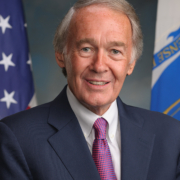
“While automakers discontinue their smaller, cheaper, more efficient vehicles, dealers charge higher and higher fees and inflation across the entire economy gets worse – but somehow we’re supposed to buy the industry’s arguments that safety and fuel economy standards are responsible for the high cost of cars,” said Senator Markey (D- Mass). “The National Consumer League’s report shows us definitively that fuel economy and safety standards save lives, clean our air, and make travel more affordable, while carmakers drive up costs on their own.”

“Americans deserve cars that are safe and affordable. The latest report from the National Consumers League shows that safety technology represents just a small fraction of what consumers pay for a car. We don’t need to trade away safety to talk about price. Instead, we should be looking at corporate pricing practices and gouging across the supply chain for why car prices have gone up, while continuing to promote safety standards that protect families and prevent tragedies,” said Jan Schakowsky (IL-09) 

Since 2002, average expenditures per new vehicle have increased $23,349.83. Improvements in fuel economy and safety standards account for only a modest share of this increase, as follows:    

  • Safety standards (2002-2019):$628.98, or 2.7 percent.  
  • Equipment upgrades: $3,040.20, or 13 percent. Equipment upgrades include fuel economy improvements, safety standards requiring compliance between 2020 and 2025, and improvements in durability, performance, horsepower, comfort, and convenience. 
  • Trimflation: $5,863.32, or 25.1 percent. Trimflation is the sale of more profitable, high-quality models. 
  • Vehicle mix:$3,998.54, or 17.1 percent, of the increase. Vehicle mix is the sale of more profitable light trucks than cars. 
  • Dealer markups and margins: $1,810.78, or 7.8 percent. 
  • Automaker margins and production costs: $8,008.03, or 34.3 percent.  

Vehicle affordability has stayed strong over time. Adjusting for inflation, the average price of new cars has actually fallen since 2002, while the real price of light trucks has risen modestly. Household spending on new and used vehicles has grown more slowly than on essential household costs such as housing, healthcare, education, and groceries, easing pressure on budgets.  

 “The relatively modest rise in household spending on new and used vehicles is actually easing household budgetary pressures, which are mounting due to skyrocketing healthcare, education, housing, and grocery costs,” Greene said. “Weakening safety and fuel economy standards would actually exacerbate the affordability crisis, leading to more unnecessary deaths, injuries, illnesses, property damage, and gasoline consumption. Families can ill afford the associated loss of wages and increase in healthcare, repair, and fuel costs.”  

Today’s vehicles are safer and more fuel-efficient than ever. The real–world fuel economy has risen by more than 60% for cars and nearly 50% for light trucks since 2002, saving owners of 2024 vehicles roughly $9,000–$10,000 in fuel costs over their lifetimes. Federal safety standards from 1968 to 2019 have generated an estimated $12.8 trillion in benefits, including $5,164.51 per household in 2025 alone.  

 The full report is available here.  

###

About the National Consumers League (NCL)      

The National Consumers League, founded in 1899, is America’s pioneer consumer organization. Our mission is to protect and promote social and economic justice for consumers and workers in the United States and abroad. For more information, visit www.nclnet.org.   

Senate Hearing on Ticketing Should Push TICKET Act Forward 

Media Contact: Lisa McDonald, Vice President of Communications, 202-207-2829 

Washington, DC — In advance of a Senate Commerce subcommittee hearing on reform in the live event industry, the National Consumers League urged leaders in the U.S. Senate to prioritize passing the bipartisan TICKET Act (S. 281/H.R. 1402), which has already overwhelmingly passed the U.S. House of Representatives and the Senate Commerce Committee.  

“Consumers do not need another round of blame-shifting. They need Congress to act and to finally fix a live event ticketing system that has been broken by design, not by accident,” said NCL Vice President of Public Policy, Telecommunications, and Fraud John Breyault in a letter to Consumer Protection, Technology, and Data Privacy Subcommittee chairman Senator Marsha Blackburn (R-TN) and ranking member Senator John Hickenlooper (D-CO). “Passing the TICKET Act and strengthening it through legislation like the MAIN EVENT Act would finally begin to rebalance a marketplace that has been tilted against fans for far too long.” 

NCL continues to advocate for passage of the TICKET Act, which would ban hidden fees, prohibit speculative tickets, crack down on deceptive resale tactics, and guarantee refunds for event cancellations and postponements. NCL also supports the MAIN EVENT Act, which would implement much-needed improvements to the decade-old BOTS Act—an underused law that allows federal regulators to go after predatory scalpers.  

NCL’s full letter can be found here. 

Additional reading: 

### 

About the National Consumers League (NCL)      

The National Consumers League, founded in 1899, is America’s pioneer consumer organization. Our mission is to protect and promote social and economic justice for consumers and workers in the United States and abroad. For more information, visit www.nclnet.org.   

American Exceptionalism 2.0 – Turning Nutrition Guidance on Its Head

By Nancy Glick, Director of Food and Nutrition Policy at the National Consumers League

“American exceptionalism,” the idea that the United States is a unique nation rooted in democracy and liberty, dates back to the country’s founding. In fact, the colonial writer Thomas Paine described America as an exceptional civilization in his 1776 pamphlet Common Sense.

But now, there is a different form of American uniqueness – American exceptionalism 2.0 – that is not lofty and puts the U.S. at odds with the health recommendations of most other nations. Grounded in the view of Health and Human Services (HHS) Secretary Robert F. Kennedy Jr. that “we need to stop trusting the experts,” American exceptionalism 2.0 assumes past scientific evidence was wrong and America needs a reset in health and environmental policy. Over the past year, sweeping changes have followed, impacting the health of the nation – from the Environmental Protection Agency (EPA) erasing decades of climate and air pollution rules to HHS reducing the number of vaccines recommended for children from 11 to 18 without following established procedures for making such changes.

The newest result is the release of the Dietary Guidelines for Americans- 2025-2030, which HHS Secretary Kennedy and Agriculture Secretary Brooke Rollins assert is “the most significant reset of federal nutrition policy in decades.” They are right.

Sidestepping the 400-plus page 2025 Dietary Guidelines Advisory Committee (DGAC) Report finalized in December 2024, the Secretaries dismissed its findings and assembled a different panel of scientists, seven of whom had ties to the dairy and meat industries. The resulting report omits more than half of DGAC’s recommendations and presents an upside-down food pyramid that nutrition and public health organizations says fails to translate nutrition science into clear dietary guidance.

To be clear, some aspects of the dietary guidelines are widely supported. They retain recommendations to drink more water, eat more fruits and vegetables, and choose whole over refined grains. The big call-out is the recommendation to reduce the consumption of ultra-processed foods and sugar-sweetened beverages –because these products have little nutritional value, and have high amounts of salt, sweeteners, and unhealthy fats. According to new estimates from the Centers for Disease Control and Prevention (CDC), 55 percent of Americans’ calories come from ultra-processed foods, increasing the risk for diet-related chronic diseases.

Yet, NCL joins other consumer, public health, and medical societies in raising the alarm that ending what the Trump Administration calls “the war on protein” and promoting red meat and full-fat dairy will push consumers beyond recommended limits for sodium and saturated fats. Nutrition experts caution that advising people to consume 1.2 to 1.6 grams of protein per kilogram of body weight daily – meaning eating protein at every meal – would double the previously recommended daily allowance of 0.8 grams.

The new guidelines also abandon longstanding advice on drinking alcohol, which previously recommended limiting daily consumption to one or two drinks, with an explanation of what this means for beer, wine, and distilled spirits. Instead, they use vague language such as “consume less alcohol” without distinguishing between men and women, who metabolize alcohol differently, or cautioning against underage drinking.

Dr. Mehmet Oz, the Administrator of the Centers for Medicare & Medicaid Services (CMS), justified the approach, calling alcohol a “social lubricant that brings people together.”  But, putting people’s social life ahead over public health ignores the that excessive alcohol use contributes to about 178,000 deaths annually; causes various cancers, heart and liver diseases, and other chronic conditions; and costs the U.S. economy approximately $249 billion each year, according to the CDC.

Since 1980, the Dietary Guidelines have been issued every five years to impart the latest science-based dietary advice. But this time, HHS and USDA threw out the old rulebook.

As RFK Jr. said at the press conference I attended, “medical orthodoxies have to be challenged.” But challenging science without credible, evidence-based justification raises serious concerns—especially when powerful industry interests, including beef, dairy, and alcohol lobbies, were prominently present and seemingly influential in shaping this new, upside-down dietary guidelines pyramid. This approach risks prioritizing politics and profit over public health.

For American consumers, the stakes could not be higher. These changes threaten to weaken long-standing public health protections and undermine trust in science-based guidance. NCL will continue to raise these concerns and advocate for policies grounded in sound science, transparency, and consumer well-being. The real question now is whether this break from scientific norms will improve public health—or put it at risk. Time will tell.

Statement from the National Consumers League on the Proposed Netflix–Warner Brothers Merger

Media Contact: Lisa McDonald, Vice President of Communications, 202-207-2829 

Washington, DC – The National Consumers League is deeply concerned about the proposed merger between Netflix and Warner Bros. Discovery, and its potential impacts on competition, consumer choice, and subscription prices. 

By combining the nation’s largest streaming service with one of its most significant competitors — including HBO Max — this transaction would substantially reduce competition in the digital entertainment marketplace. The long history of consolidation in the media industry shows that mergers of this scale tend to diminish competitive pressure and give dominant firms greater leverage to raise prices rather than pass savings on to consumers. A Netflix-Warner combination, or an alternative merger between Paramount and Warner, could mean that consumers’ monthly subscription bills — already on the rise — are likely to increase again without meaningful improvements in choice or content quality. 

The following statement is attributable to Sally Greenberg, CEO of the National Consumers League: 

Today’s streaming environment benefits from significant competition among multiple platforms. Losing HBO Max as a standalone competitor risks narrowing consumer options and weakening incentives for innovation in programming and pricing. Rather than delivering better value to households, this merger could lead to higher costs for viewers who already pay multiple streaming subscriptions. We urge antitrust enforcers and lawmakers to carefully scrutinize this deal to protect consumers, preserve competitive choice, and prevent undue price increases in the streaming market. 

### 

About the National Consumers League (NCL) 

The National Consumers League, founded in 1899, is America’s pioneer consumer organization. Our mission is to protect and promote social and economic justice for consumers and workers in the United States and abroad. For more information, visit www.nclnet.org.