Inside the 2026 International Consumer Product Safety and Health Organization (ICPHSO) Conference: Where Consumer Safety Meets Accountability

By Sally Greenberg, NCL CEO

Did you know that there are 1 billion pencils in circulation in the United States, including those ubiquitous NUMBER 2 pencils required to take the SAT exam? Pencil manufacturers even have their own industry association dedicated to safety, environmental responsibility, affordability, and compliance with recognized standards. I didn’t know that either.

But that is the kind of thing you learn at the annual International Consumer Product Safety and Health Organization (ICPHSO) conference, which I’m attending this week in Orlando. More than 700 participants are here, representing manufacturers, government regulators, supply chain and recall specialists, inventory and IT operations teams, and numerous law firms that specialize in regulatory compliance.

This is a must-attend conference for manufacturers of consumer goods; it’s also a meeting where parents whose children have suffered injuries or even killed by dangerous products, such as tiny batteries or water-absorbing beads that expand if children swallow them.

Daniel Greene, who leads auto and product safety work at the National Consumers League, and I have spent the last few days with many of these companies, learning how they ensure the safety of their products. There are many tools and resources available to help manufacturers comply with the law. We also met with a firm that specializes in designing accessibility into consumer products, so they are usable by people with a wide range of disabilities.

I’ve learned some interesting things at this conference about the importance of consumer advocacy:

  1. The Consumer Product Safety Improvement Act of 2008, enacted at the urging of consumer advocates after a child died from ingesting a toy containing lethal levels of lead, now requires far more rigorous safety testing before products enter the marketplace. One arts and crafts manufacturer told me the law has increased compliance demands but ultimately leads to much safer products.
  2. There are highly sophisticated services available to help companies manage product recalls, comply with complex regulations, interpret voluntary standards, and do outreach to consumers.
  3. I learned that the legal business for compliance with safety regulations is booming.
  4. Despite progress, children and adults continue to suffer preventable injuries from hazardous products, including bath seats, bed rails, window blinds, tip-over furniture, poorly made bike and motorcycle helmets, and table saws.
  5. Not surprisingly, the table saw industry was not present. With one notable exception, saw manufacturers continue to resist adopting safety technology that has been available since 2001. I had an infuriating conversation about table saw safety with someone who worked for a major retailer. She spouted all the usual verbiage about the expense of fixing table saws that inflict 10 amputations a day, overlooking the fact that over the past 25 years, hundreds of thousands of innocent consumers and workers have suffered mangled hands and lost fingers that could have been saved had the industry done the right thing from the start.

That said, many good things come out of this conference. We were joined by consumer groups, including Consumer Reports, Consumer Federation of America, SafeKids, and Nancy Cowles, founder of Kids In Danger (KID). We are vastly outnumbered by the companies here, but we play an essential role in advocating for consumer safety. Many people and families who have experienced terrible injuries with products come to the conference in force, sharing powerful stories and urging industries to fix their products.

Thanks to the ICPHSO leaders, including Mark Schoem and David Kossoff, the organization’s director and president, and their teams, for putting together a critically important event for consumer safety and ensuring that the consumer voice remains part of the conversation.
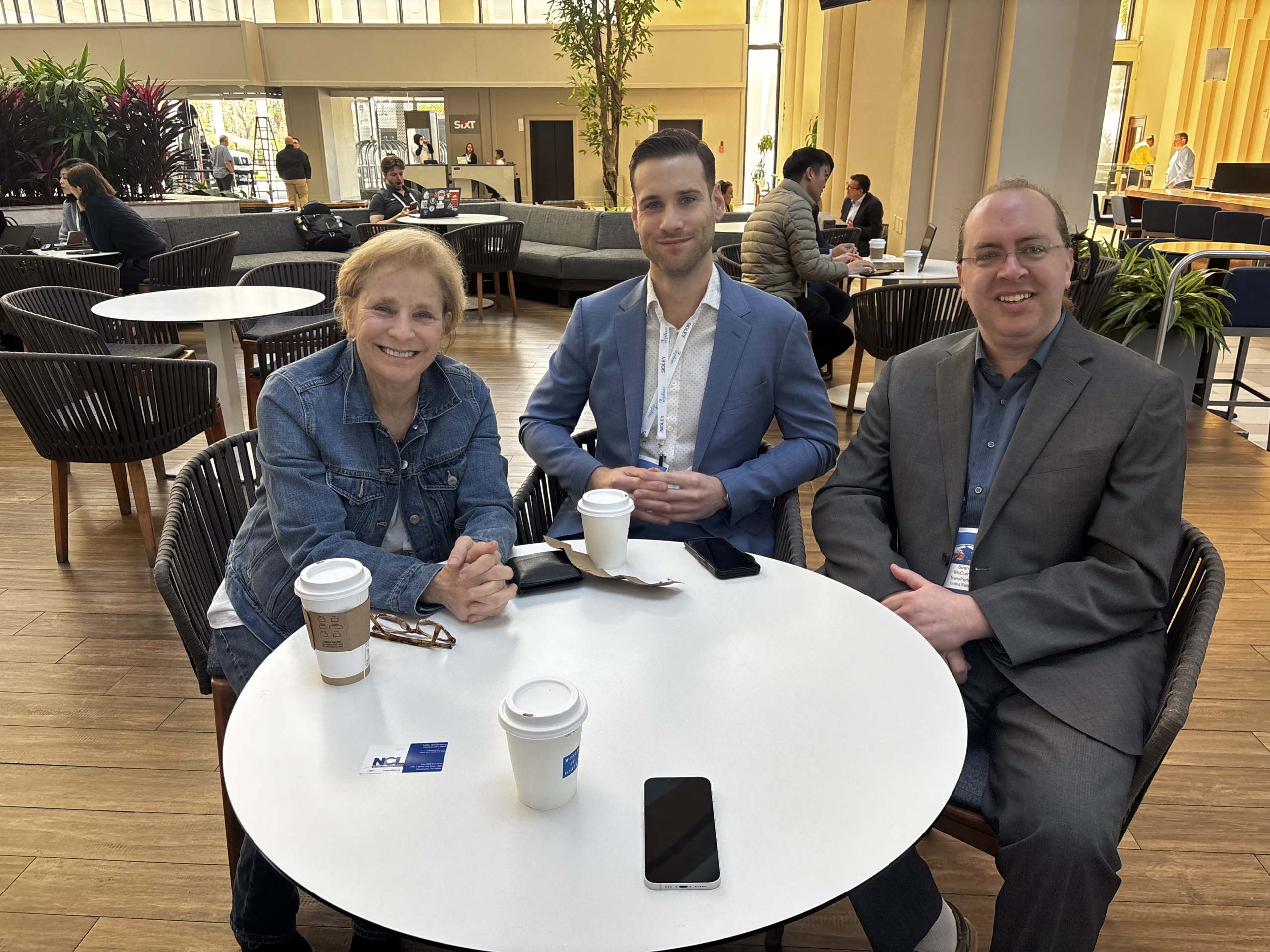
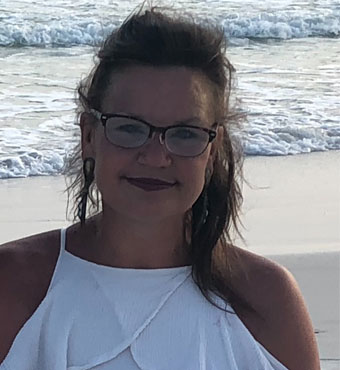
From left to right: Sally Greenberg; Daniel Greene; Sean McCurry, Accessibility Specialist at TransPerfect
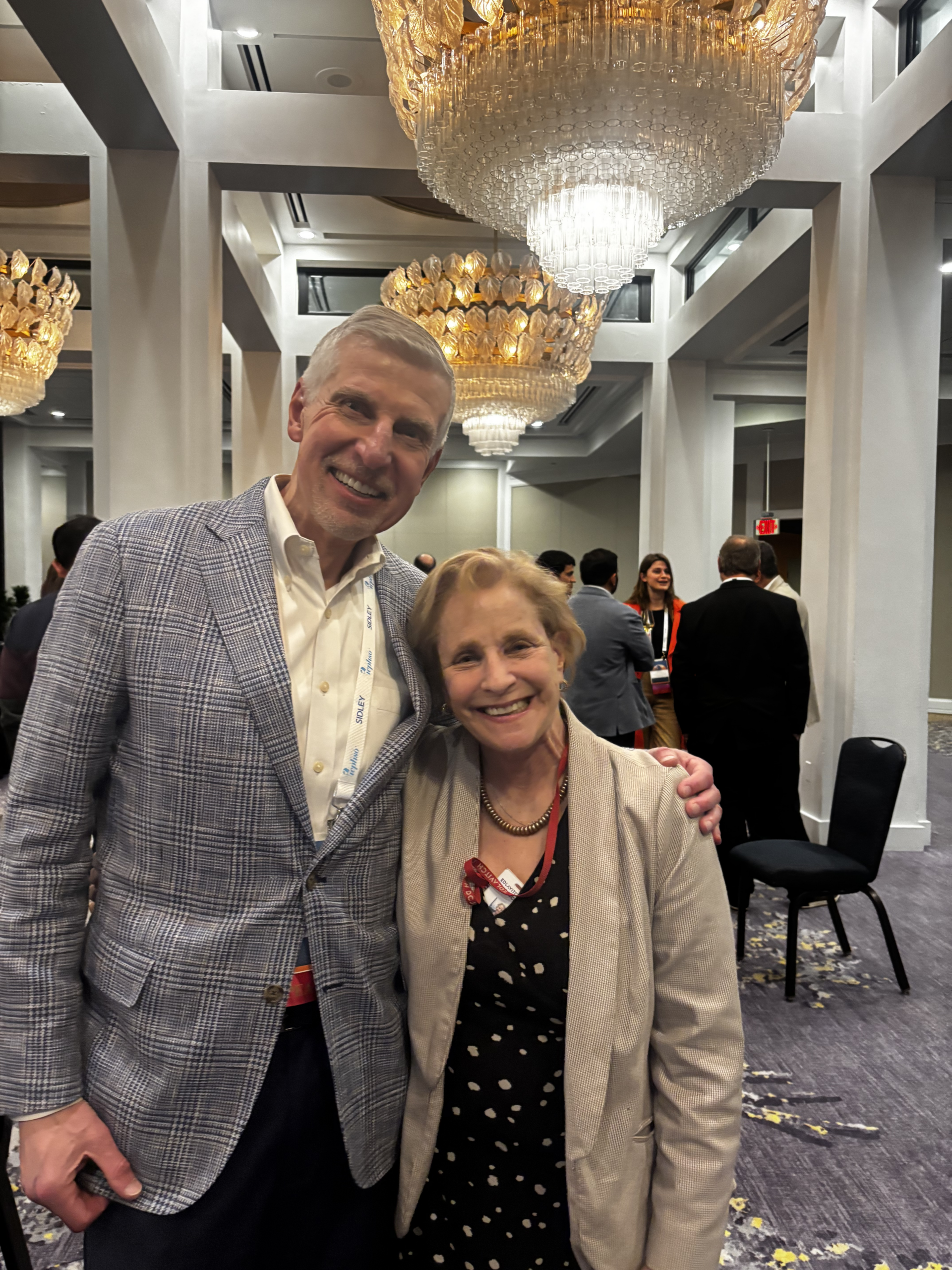
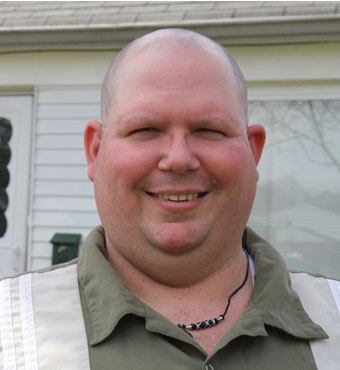
Sally Greenberg & Don Mays, former colleague at Consumer Reports

Sally Greenberg & Bob Eckert, former Mattel CEO
“I Was Losing Pieces of My Childhood:” a Former Child Farmworker Urges Action to End Child Labor in a Speech to Be Remembered

By Reid Maki, NCL Director of Child Labor Advocacy & Coordinator of the Child Labor Coalition

The recent 6th Global Conference on the Elimination of Child Labour included high-ranking officials from over 100 governments, the ILO, trade groups, and employer groups. I heard many speeches from child labor experts with decades of experience, but former NCL intern Jacqueline Aguilar, only 23 and a recent college graduate, gave by far the most compelling and poignant remarks. In 2023, Jacky interned for me at the Child Labor Coalition, a program of the National Consumers League.  She came to us through a remarkable program for former Migrant Head Start students led by the National Migrant and Seasonal Head Start Association, a member of the Child Labor Coalition.

Jacky spoke on a panel with a half-dozen government officials and a trade unionist. She recalled her experiences in the United States as a child laborer in agriculture. Members of the Child Labor Coalition are concerned that, in any given year, there may be as many as 300,000 minors working in agriculture. They work legally at tasks most adults cannot do because of gaps in child labor law that apply to agriculture. These exemptions allow children to work unlimited hours in the fields (if they aren’t missing school) beginning at the age of 12.

Jacky spoke from the heart about the impact child labor has had on her life and those of her peers from migrant families. Her remarks reminded us of why we were at the conference and impressed the attendees that we must act urgently to protect the 138 million children trapped in child labor.

Jacky started: “When people hear ‘child labor,’ they imagine something far away. A different country. A different life. But I am standing here to tell you it happened. In our communities. In our fields.”

“My parents worked in the fields every single day to provide for us,” recalled Jacky.  “I remember waiting by the door as a little girl for my dad to come home. When he put his hand on my cheek, I would feel how rough it was: cracked, dry, hardened by the earth. I used to wonder why his hands felt like that. Now I know. Those hands were not meant to be that way. They were shaped by survival.”

“At 11 years old, I stepped into those same fields. 11,” she continued.  “While other kids were worrying about homework or sleepovers, I was waking up at 4:00 in the morning. It was still dark outside…By 5:00 a.m., I was in the lettuce rows. The fields were endless. My hands wrapped around a hoe that felt too heavy for my body. The metal burned my palms. Blisters formed and broke. My feet ached from standing for hours. The morning dew soaked through my shoes, and the cold crawled up my legs.”

“There was no one asking how old I was. No one asking if I was tired. No one asking if I was okay. We had 30 minutes for lunch. 30 minutes sitting in the dirt. No cold water. No shade. Just the understanding that we needed to move faster. I wasn’t building character. I was losing pieces of my childhood.”

Like many farmworker families, Jacky’s was touched by cancer. “My father was diagnosed with lung cancer,” she said. “He had been in agriculture since he was seventeen years old,” she recalled.  “I think about the pesticides he inhaled. The dust that settled deep into his lungs. The chemicals that were part of his everyday air. My mother’s body gave out, too. Years of lifting heavy sacks of potatoes tore her shoulder until she couldn’t lift them anymore. I watched my parents sacrifice their health for us. And when my father had to move three hours away for treatment, I stayed behind. I was still in school. But I worked the potato harvest so we could survive, and I could help support my family. “

Jacky recalled one day in particular: “One morning, it started snowing while we were in the field, and the snow collected on the dirt, on the crops, on our shoulders. My fingers went numb. My socks were soaked. I couldn’t feel my toes. I remember standing there, staring at the ground, silently begging for someone, anyone, to say, ‘Go home.” That’s enough.’ But no one said anything. And that silence… it teaches you something. It teaches you that your pain is normal. That your exhaustion is expected. That your childhood is negotiable. I didn’t lose my childhood in one moment. I lost it in early mornings. In blistered hands. In missed school events. In falling asleep over homework because my body couldn’t take anymore.”

Jacky wasn’t alone. She saw other farmworker children suffer. “I watched classmates disappear from school. Smart kids. Funny. Full of light. They didn’t transfer schools. They transferred to full-time labor. And no one called it a crisis,” she recalled.  “No child should have to choose between education and survival. No child should feel responsible for keeping their family afloat. No child should stand in freezing snow waiting for permission to stop working.”

Speaking before an audience of government officials from all over the world, Jacky implored them to do more to end child labor: “To our ministers, policymakers, and public leaders, I am asking you to see us. Strengthen protections for children. A child in a field deserves the same protection as a child anywhere else. Enforce the laws. Visit the fields. Ensure there is clean water, real breaks, and protection from harmful chemicals. Support families with living wages, healthcare, and financial stability so children are not pushed into labor out of desperation. Train schools to recognize working children not as lazy or distracted but as exhausted. And include survivors in your decisions. We know where the system fails because we experienced the failure.”

“I am proud of my parents. I am proud of where I come from. But I should not have had to grow up that fast,” said Jacky. “There are children, right now, standing in rows of crops before the sun rises. Their hands are blistering. Their backs are aching. Their childhood is slipping away quietly. And most people will never know their names. Please do not let their silence continue because child labor does not just take childhoods. It takes futures. And we cannot afford to keep losing them. This happened. I survived it. And I’m not going to whisper about it.”

In three decades of advocacy and four Global Child Labor conferences, I’ve never heard a speech more eloquent or powerful.

Jacky speaks for children in child labor everywhere—not just the 300,000 children who work in agriculture. In recent years, thousands of unaccompanied minors, have come to work in the U.S.  Many ended up working in auto parts factories, the graveyard shifts in meatpacking facilities, or late nights at fast food restaurants. Yet children working in the U.S. are a small fraction of the global reality: 138 million children are engaged in labor worldwide. Jackie Aguilar’s story gives a voice to all of them.

Jacqueline Aguilar is a recent graduate of Adams State University in Colorado, where she lives and works. Jacky interned for the Child Labor Coalition in the summer of 2023 at the National Consumers League.

SCOTUS Decision Is an Opportunity to End Anti-Consumer Tariffs

Media Contact: Lisa McDonald, Vice President of Communications, 202-207-2829 

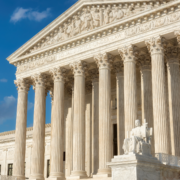
Washington, DC – The National Consumers League applauds today’s decision by the Supreme Court of the United States, striking down President Trump’s sweeping tariff program, which is a major victory for American consumers and a rebuke of a costly experiment that functioned as a hidden tax on families.  

The following statement is attributable to John Breyault, National Consumers League Vice President of Public Policy, Telecommunications and Fraud:  

“For months, shoppers have been forced to shoulder tariff-related junk fees, price hikes, and supply chain disruptions that had little clear economic justification. These tariffs didn’t protect consumers — they punished them.  

The Court’s ruling should close the door — permanently — on this anti-consumer tariff regime. These tariffs operated as a nationwide price hike affecting everything from household goods to everyday essentials. American families should not be collateral damage in an ideologically driven trade policy.”  

The White House should respect both the spirit and the letter of this ruling and refrain from attempting to resurrect these sweeping tariffs under alternative statutory authorities. Repackaging the same policy under a different legal label would only prolong economic uncertainty and continue to squeeze household budgets.  

At a time when families are struggling with affordability, federal policy should be laser-focused on lowering costs and promoting competition — not reviving broad-based tariffs that act as hidden taxes at the checkout counter.” 

### 

About the National Consumers League (NCL)      

The National Consumers League, founded in 1899, is America’s pioneer consumer organization. Our mission is to protect and promote social and economic justice for consumers and workers in the United States and abroad. For more information, visit www.nclnet.org.   

NCL Applauds Subcommittee Passage of Safety is Not For Sale, PART Act

Media Contact: Lisa McDonald, Vice President of Communications, 202-207-2829 

Washington, DC – The House Subcommittee on Commerce, Manufacturing, and Trade on Tuesday reported 12 bills to full committee that seek to improve roadway safety, strengthen American automobile manufacturing, and protect vehicle owners from unfair business practices. The National Consumers League (NCL) submitted a letter for the record, urging Congress to enact critical reforms to save lives, reduce injuries, support innovation, and spur economic growth.

“The death and destruction on our nation’s roads does not have to be the price we pay for commuting to work, dropping the kids off at school, or picking up groceries,” the letter states. “We applaud you for seeking to reduce the unacceptable loss of life, physical injuries, and economic costs attributable to motor vehicle crashes.”

“NCL strongly supports the Safety is Not for Sale Act, as such legislation is vital to ensuring consumers have more affordable access to life-saving automobile safety features,” the letter continues. “NCL found that some advanced driving assistance systems (ADAS) are sold as luxury items that must be purchased for an extra fee or as part of expensive add-on packages. These additional costs may put these life-saving technologies out of reach for many Americans.”

NCL also expressed support for the PART Act, which requires the National Highway Traffic Safety Administration (NHTSA) to mandate that catalytic converters be affixed with antitheft markings, establishes a grant program to facilitate the marking of catalytic converters currently deployed in interstate commerce, and increases criminal penalties for catalytic converter theft.

“We are encouraged that the Committee is taking action to prevent catalytic converter theft, which has become a major consumer and environmental protection issue,” the letter states.

A copy of the letter can be found HERE.

This month, NCL released a report on vehicle affordability, finding that federal safety and fuel economy standards save consumers thousands while having a marginal effect on affordability. The full report is available here: Sticker Shock: Uncovering the Real Drivers of Rising Vehicle Prices.

### 

About the National Consumers League (NCL)      

The National Consumers League, founded in 1899, is America’s pioneer consumer organization. Our mission is to protect and promote social and economic justice for consumers and workers in the United States and abroad. For more information, visit www.nclnet.org.   

Live Nation Litigation Must Continue Despite Possible Interference

Media Contact: Lisa McDonald, Vice President of Communications, 202-207-2829 

Washington, DC – Recent turbulence at the Department of Justice (DOJ) Antitrust Division has culminated in the absence of its top leadership, including now-former Assistant Attorney General Gail Slater. NCL is deeply concerned about the potential impact this disruption could have on the Division’s ability to pursue antitrust enforcement consistently, independently, and in the public interest. Leadership instability at such a critical moment raises serious questions about whether major cases – including the ongoing litigation against Live Nation-Ticketmaster, which NCL has long supported – will be carried through to their conclusion. 

Regardless of DOJ’s next steps, NCL urges state attorneys general to remain committed to enforcing federal and state antitrust laws, particularly in the Live Nation monopolization case, where 40 state attorneys general lead the lawsuit alongside the U.S. DOJ.  

“The mandate of law enforcement agencies, including DOJ, is to protect the public and uphold the law,” said NCL Vice President of Public Policy, Telecommunications, and Fraud John Breyault. “Antitrust enforcement must be guided by the facts, the law, and the interests of consumers — not by shifting institutional dynamics. If DOJ is unable to continue this litigation, state attorneys general must stand up for their constituents and see the case through.”  

NCL is also calling on the U.S. House and Senate Judiciary Committees to investigate political interference in DOJ’s antitrust activities, especially if recent tumult at the agency results in the termination of ongoing enforcement actions. 

Additional reading 

### 

About the National Consumers League (NCL)      

The National Consumers League, founded in 1899, is America’s pioneer consumer organization. Our mission is to protect and promote social and economic justice for consumers and workers in the United States and abroad. For more information, visit www.nclnet.org.   

Progress at Risk as Global Leaders Confront the Ongoing Child Labor Crisis

By Reid Maki, NCL Director of Child Labor Advocacy & Coordinator of the Child Labor Coalition

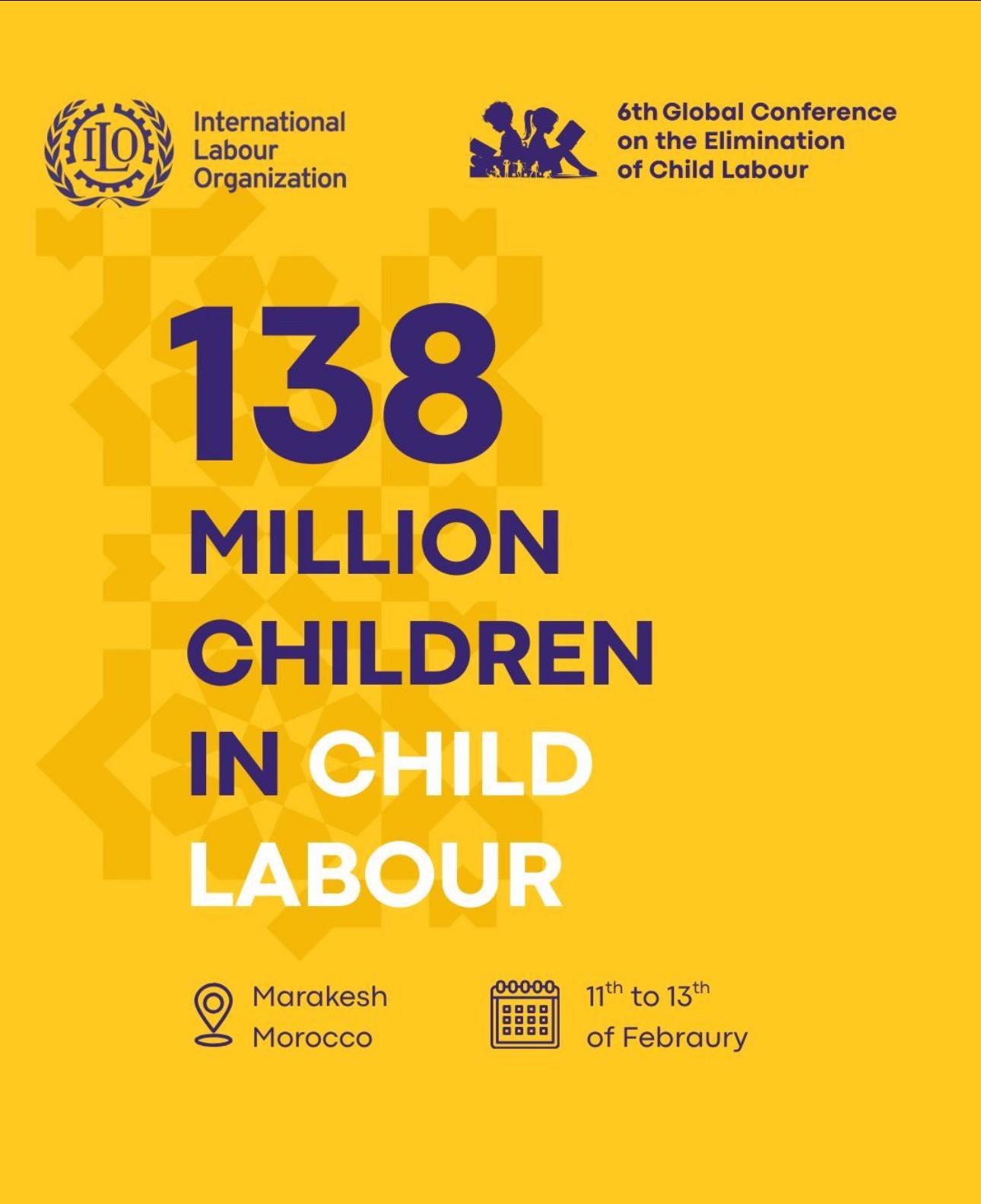
In Marrakech, Morocco, on Wednesday morning, the 6th Global Conference on the Elimination of Child Labour opened at the Palais des Congrès to a palpable air of excitement.
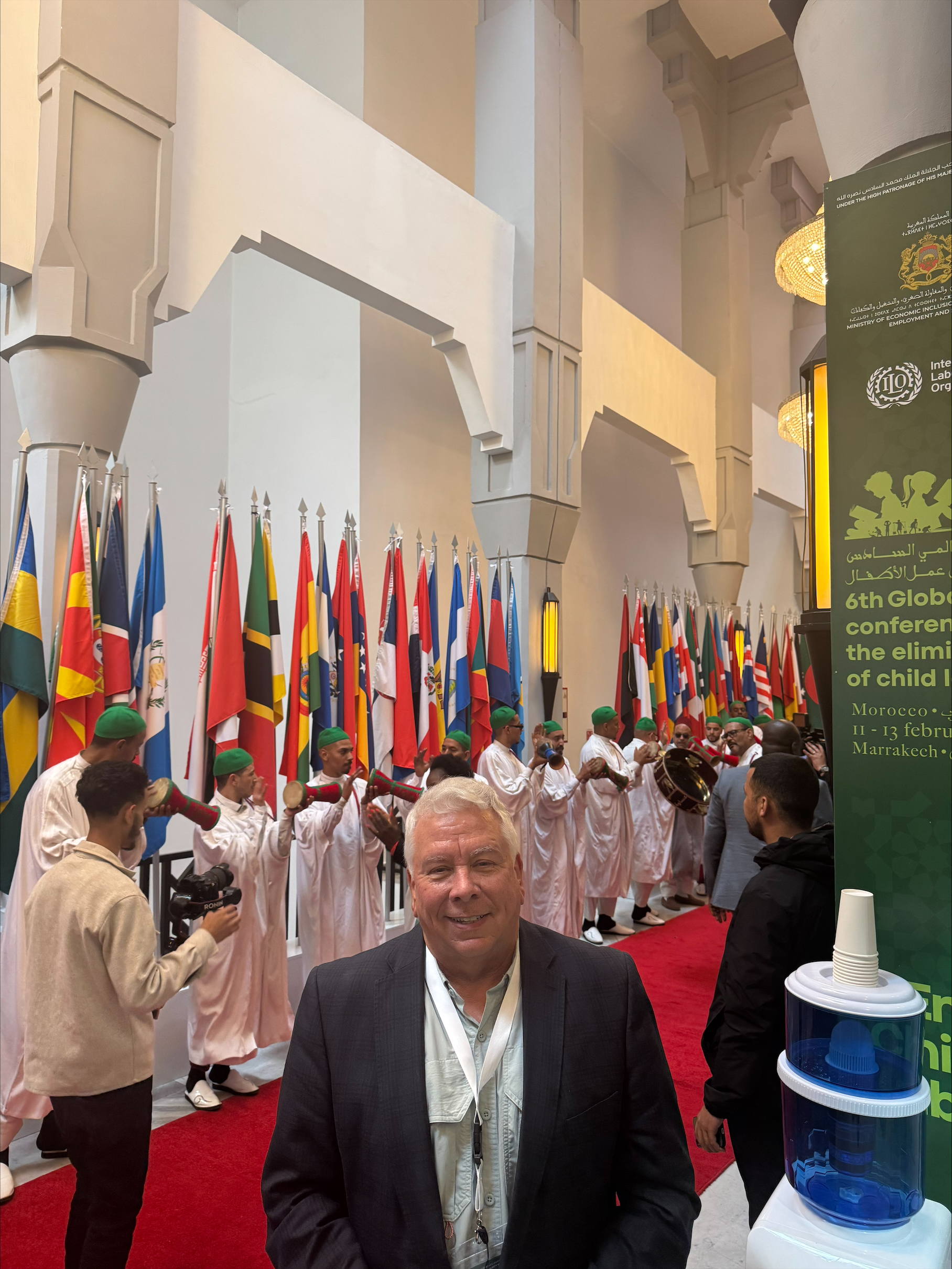

About 1,300 government leaders, employer groups, union leaders, and advocates against child labor attended the conference, organized by the government of Morocco with logistical assistance from the International Labour Organization (ILO). It is the first such international child labor conference since the one held in Durban, South Africa, in May of 2022.

As the Director of Child Labor Advocacy for the National Consumers League and the coordinator of the Child

Labor Coalition, this is my fourth quadrennial global child labor conference. Wednesday’s opening plenary began with a status check, highlighting the remarkable progress in reducing child labor, with estimates dropping from 246 million to 138

million last year. That’s phenomenal progress, but uncertainty hung in the air about what the future holds. The Trump administration’s cancellation of US AID poverty-reduction programs and $550 million in cuts to child labor and labor grants administered by the U.S. Department of Labor International Affairs Bureau in early 2025 has been an ongoing concern for child labor advocates, who fear a reversal of progress toward eliminating child labor.

Despite progress, advocates stressed the unfinished work: the global target to eliminate child labor by 2025 was missed, and 138 million children remain affected. As one speaker put it, ‘the number is simply not acceptable.’

Both the morning and afternoon plenaries featured ministers from several governments, ILO officials, and the International Trade Union Confederation discussing progress and future directions. Participants highlighted that reductions in child labor occurred across all continents where it was prevalent. The largest decrease was a 43% drop in Asia. Globally, the number of children in hazardous child labor fell from 79 million in 2020 to 54 million in 2024. However, speakers also noted a troubling rise in the proportion of child laborers who are between five and eleven years old.

Speakers urged identifying gaps in current efforts and emphasized the need to expand effective remediation—underscoring a united call to action.

Nobel Peace Prize Laureate Kailash Satyarthi addressed participants via video, urging the world to take “tools and guns out of children’s hands” and replace them with “pens and books.” He warned that recent years have seen a troubling decline in “moral accountability” and called for a “resurgence of compassion,” which he described as the transformative force needed to meet global child labor reduction goals. He also urged the ILO to mobilize heads of state committed to ending child labor into a special task force, aimed at building a stronger and more coherent “framework of action.”

“We must be bold,” said Satyarthi.

The conference continues until Friday afternoon, with officials and advocates sharing the strategies they have found most successful.


Voices, Urgency, and Hope at the National Health Council Annual Meeting

By Sally Greenberg, NCL CEO

Have you heard of Alpha-1 Disorder? I hadn’t either until I had a conversation with the Alpha-1 Disorder team that’s gathered in Ft. Lauderdale for the National Health Council Annual Meeting. I love coming to this gathering because of the energy and drive behind the diverse patient groups and companies working to develop treatments and cures. Lisa Bercu, our Senior Health Policy Director, and I are here talking with and learning from colleagues across the health care spectrum.

Back to Alpha 1 or Alpha-1 Antitrypsin Deficiency (AATD) it’s a genetic condition that can cause damage to the lungs and/or the liver and is often misdiagnosed as COPD. There is no cure for Alpha-1, but symptoms can be managed with treatment. The Foundation is here and exists to advocate for research, more effective treatments and cures, and benefits for patients with Alpha 1.

Tracy Garner from Easter Seals is describing what lies ahead for Medicaid patients whose benefits will be slashed, as called for in HR 1, the so-called “Big Beautiful Bill” that Congress passed in 2025. One in four people in the US identifies as having a disability. One-third of those receive Medicaid benefits. That will have a huge impact on these patients.

Tracy and her team are working with states and their over seventy affiliates to hold meetings with the Centers for Medicare & Medicaid Services and state Medicaid administrators.

Ashlie White’s with the American Orthotic and Prosthetic Association. Her patient base is made up of amputees, and her challenge is ensuring that they get the Medicaid coverage they need, as many of them are on the program. The slashing of Medicaid could be devastating to these patients.

Cheryl Wicks’ group, Mosaic, provides support to 5,000 people with disabilities, mental and behavioral needs, and autism. I asked her what she thought legally about Sheltered Workshops for people with disabilities, where they get to go to work but get paid subminimum wage. NCL has never thought those Sheltered Workshops were a good thing, as they take advantage of people with disabilities, having them work for dirt cheap wages on the theory that at least they are getting out of the house or home. She agreed and used a term I had never heard – Community Integrated Employment, which means people with developmental and intellectual disabilities have jobs like everyone else that pay the legal minimum wage and work out much better. They are at grocery stores or pharmacies, stocking shelves or doing other similar work. Walgreens is particularly outstanding as an employer of people in her community. Hear, hear!

I cannot possibly capture the impact and dedication I feel among these patient advocates and the companies that develop the drugs and cures to treat the conditions described above, and so many more.

14 Public Interest Groups Urge Meta to Act on Scam Ads

Media Contact: Lisa McDonald, Vice President of Communications, 202-207-2829 

Washington, DC – Today, the National Consumers League and 13 other public interest groups urged Meta to implement new policies to combat the epidemic of scam ads on its platforms, which includes Facebook and Instagram. The advocacy effort comes after reporting that the company at one point projected 10% of its revenue to come from advertisements for scams and banned goods. Meta also privately estimated that the company facilitated a third of all successful scams in the United States.

“Preventing the proliferation of scams is one of the most effective ways to protect the public from further losses,” said John Breyault, NCL Vice President of Public Policy, Telecommunications, and Fraud. “Meta is uniquely positioned to stop a massive amount of fraud before it even happens. We believe it has a responsibility to do so.”

The consumer groups are pushing Meta to establish a victim restitution program, strengthen its oversight of advertisers, and increase transparency into its handling of suspected scam ads.

The organizations also indicated that they are exploring ways to support new state and federal legal requirements, including the enforcement of existing statutes prohibiting unfair and deceptive practices and the enactment of new legislation regarding the facilitation of scam advertisements.

“Given Meta’s enormous size and the scale of its platforms, it is one of the entities in the fraud ecosystem best positioned to combat these crimes,” wrote the groups.

The full letter can be found here.

### 

About the National Consumers League (NCL)      

The National Consumers League, founded in 1899, is America’s pioneer consumer organization. Our mission is to protect and promote social and economic justice for consumers and workers in the United States and abroad. For more information, visit www.nclnet.org.   

National Consumers League Commends FDA for Swift Action Against Hims & Hers

Media Contact: Lisa McDonald, Vice President of Communications, 202-207-2829 

Washington, DC – You can fool some of the people some of the time and all of the people some of the time. But you can’t fool all of the people all the time. On Friday, February 6, the Food and Drug Administration announced it would stop the telehealth platform Hims & Hers from marketing a compounded version of the first FDA-approved GLP-1 weight-loss pill. On Saturday, Hims & Hers said it was withdrawing the product from the market, and the FDA did not pursue enforcement action.

“Consumers deserve safe, proven medications — not copycat drugs dressed up by slick marketing. The FDA’s decisive action sends an important message: patient safety is not optional, and no company is above the law,” says Nancy Glick, Director of Food, Nutrition, and Obesity at the National Consumers League.

For too long, compounders like Hims & Hers have been battling “big pharma” by selling inexpensive products that the FDA has repeatedly warned are “risky for patients.” These compounded drugs are untested, not FDA approved, and can cause dosing errors, severe side effects, and, in some cases, death. But without strong FDA oversight and aggressive enforcement by state boards of pharmacy, these warnings have been drowned out by multi-million-dollar marketing campaigns, including glitzy Super Bowl ads, that promote a misleading narrative: GLP-1 weight-loss drugs are virtually the same as FDA-approved versions, only cheaper and more convenient.

Hims & Hers’ gambit to market a knockoff of the new GLP-1 pill was the bridge too far. The FDA-approved drug is made with a special nanotechnology that cannot be copied by compounders– not even close. That quickly became apparent, and the audacity of Hims & Hers’ actions could not be ignored.

The National Consumers League applauds the FDA for its swift action against Hims & Hers and hopes this marks the start of a robust FDA effort to rein in an exploitative market where sellers routinely push boundaries, believing regulators are not watching.

### 

About the National Consumers League (NCL)      

The National Consumers League, founded in 1899, is America’s pioneer consumer organization. Our mission is to protect and promote social and economic justice for consumers and workers in the United States and abroad. For more information, visit www.nclnet.org.   

FTC Forces Transparency Reforms on Express Scripts in Landmark Settlement

Media Contact: Lisa McDonald, Vice President of Communications, 202-207-2829

Washington, DC – Today, the National Consumers League (NCL) applauds the Federal Trade Commission (FTC) for securing a landmark settlement with one of the nation’s largest pharmacy benefit managers (PBMs), Express Scripts, Inc., and its affiliated entities. The settlement requires Express Scripts to make significant changes to its business practices that will, among other things, increase transparency, base patients’ out-of-pocket expenses on the drug’s net cost rather than the artificially inflated list price, and increase fairness in community pharmacy reimbursement.

“For too long, pharmacy benefit managers have operated with little transparency, leaving patients and community pharmacies to bear the consequences,” said NCL’s CEO Sally Greenberg. “This settlement advances reforms NCL has long championed, greater transparency, accountability, and fairer practices that put patients first, and we appreciate the FTC’s leadership in moving this work forward.”

The FTC’s action addresses longstanding concerns about PBM practices that have contributed to inflated drug prices and higher patient costs.  These actions are expected to lower patients’ out-of-pocket costs for prescription drugs like insulin by up to $7 billion over the next decade and deliver millions of dollars in new annual revenue to community pharmacies.

###

About the National Consumers League (NCL)

The National Consumers League, founded in 1899, is America’s pioneer consumer organization. Our mission is to protect and promote social and economic justice for consumers and workers in the United States and abroad. For more information, visit www.nclnet.org.