Media contact: National Consumers League – Melody Merin, melodym@nclnet.org, 202-207-2831
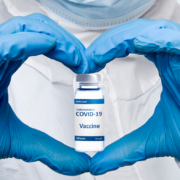
Washington, DC – The NCL applauds the FDA’s announcement approving the latest COVID vaccine, which will be available to many Americans immediately or very soon to patients who are eligible.
The Centers for Disease Control and Prevention recorded 9,000 COVID-19 hospital admissions in the week ending July 29, a 12.5-percent increase from the week before. While that’s far below the nearly 45,000 admissions recorded the same week a year ago, the new vaccine is nevertheless is welcome and much needed to keep COVID and its new variants in check. The percentage of emergency department patients diagnosed with COVID-19 has risen gradually in July.
https://nclnet.org/wp-content/uploads/2023/09/Social-Media-Images-20.png788940sepidehkhttps://nclnet.org/wp-content/uploads/2020/08/NCL-logo.pngsepidehk2023-09-11 19:30:592025-05-20 20:41:16NCL applauds FDA for its latest decision to approve an updated COVID-19 vaccine
Employers seeking to cut healthcare costs should remember this simple rule of thumb: If an offer to save money seems too good to be true, it usually is. That seems to be the case with offers to try “Alternative Funding Programs” or AFPs. This is a devious but growing cottage industry, which promises to cut employer costs for specialty medicines.
Specialty medicines are used to treat complex, chronic conditions like cancer and rheumatoid arthritis; they are drugs often offered to some of the sickest patients. While they represent a mere 2 percent of prescriptions, they add up to half of the estimated $500 billion spent each year in the U.S. on drugs. Thus, specialty drugs are hefty contributors to self-funded employers’ health plan costs. (Source: optum.com)
One “solution” offered by third party vendors peddling AFPs is to remove coverage of specialty drugs from the employer’s formulary. This immediately renders those employees “uninsured” as far as coverage for their needed drugs goes. The AFP vendor then matches the newly uninsured employee with a patient assistance program offered by drug manufacturers and other charitable foundations. The patient’s co-pay is fully covered by the assistance program, the employer saves money, and the vendor takes a cut of the savings.
We think this so-called solution is underhanded and dangerous for patients. It is also unethical and possibly illegal.
First, the charitable programs being mined by the AFP vendors are meant for the truly needy—those who are uninsured or underinsured. If these sources of funding are being drained by the AFPs, they won’t be available for patients who really need the assistance.
These programs are having a predictable effect: drug manufacturers are starting to tighten the eligibility criteria for their charitable programs, limiting them to patients who are truly uninsured. That means the AFPs won’t be able to fulfill their promise to find alternative sources to pay for the medicine. The inevitable will happen: patients will be forced to go back to their employers’ insurance, causing dangerous delays in treatment and eliminating any savings.
Critically, the AFP process interrupts and delays care for patients. One of the AFP vendors, aptly named SHARx, with a logo shaped like the predatory creature its name invokes, admits the process can take 2 to 6 weeks. While trying to enroll the previously insured patient in an assistance plan, they’ll “do as much as they can” to help a patient access their medicine, sometimes demanding they sign over power-of-attorney to their company. In practice, that means patients can be left in limbo with no coverage for a period of time.
How can an employer ethically expose their employees with serious health conditions to that risk? *(Source: sharxplan.com)
There are also ERISA and IRS legal and compliance risks to self-insured employers, too, according to an analysis by Vivio, a Public Benefits Corporation (Source: viviohealth.com)
And by some accounts, the AFP vendors are taking a huge cut of any savings, as much as 25 percent, on top of the administrative costs employers must pay to implement the program. (Source: drugchannels.net)
Nonetheless, according to a 2022 survey, 10 percent of self-insured employers with at least 5,000 U.S. employees are using alternative funding vendors. Some 8 percent said they were planning to use them within two years and 19 percent are considering their use in three to five years. (Source: optum.com)
It is easy to initially discount AFP critics as defenders of unfettered drug pricing. However, even Optum, a subsidiary of leading health plan provider United Health Care, has sounded the alarm. They advise their clients “to look past the short-term sales pitch and consider longer-term financial implications, compliance risk and ethics of alternative funding programs.” (Source: optum.com)
We are raising the voice of consumers in support of efforts in Congress to rein in other dubious co-pay assistance schemes deployed by Pharmacy Benefit Managers such as co-pay maximizers and accumulators. In this case, employers should take the lead in standing up for their employees’ health by refusing to open the door when third party AFP vendors come calling.
*Links are no longer active as the original sources have removed the content, sometimes due to federal website changes or restructurings.
https://nclnet.org/wp-content/uploads/2020/08/Sally2017_92px.jpg968968Katie Brownhttps://nclnet.org/wp-content/uploads/2020/08/NCL-logo.pngKatie Brown2023-08-11 08:00:592025-05-22 15:44:16New insurance schemes to carve out specialty drugs deserve skepticism and scrutiny
When I started my National Consumers League (NCL) internship in May 2023, I quickly dove into NCL’s health policy work. NCL is leading on several efforts to protect consumers –one area of focus that stood out to me is their work in the cannabis policy space. NCL is a founding member of Cannabis Consumer Watch (CCW), which educates consumers on cannabinoids, their effects, the risks related to the unregulated marketplace, and the ways policymakers and regulators can help protect consumers. NCL is also a part of the Collaborative for Cannabinoid Science and Safety (CCSS), which also works to educate people about cannabinoids and policy in the interest of public health.
CCW’s “test your cannabis knowledge” quiz was shocking for me. Going into the quiz, I was fairly confident about my knowledge, but as I started getting wrong answer after wrong answer, I realized I had no idea that not only are these products under-researched, but they may pose serious public health risks for consumers. Products can be sold, without having gained FDA approval, making false claims about their medicinal abilities. And side effects are not adequately researched or revealed to consumers.
One particularly concerning aspect of the cannabis marketplace is that while CBD or Delta-8 or other cannabis products are often marketed to women, there is a concerning lack of research into the safety of these products for women. Historically, misogyny and sex discrimination have made women’s health severely under-researched and underfunded. More research on diseases, disorders, and medication is conducted on men, not women. Women are misdiagnosed far greater than men are, and experience dangerous health outcomes because of it (Greenhalgh). And without sufficient research and data on women’s health, it is incredibly difficult for legislators to write policy (Adams). Overall, for women’s health to improve, more resources need to be devoted to this issue.
Despite cannabis companies’ marketing efforts that claim their products can help with anything from menstrual cycle-related pain to morning sickness, there is little insight into the effects of cannabis or cannabis derivatives on women, pregnant people, nursing parents, and newborns. What we do know is that the risks are very real – a recent study found that THC use during pregnancy was linked to changes in fetal development and several studies have shown that CBD can be transferred to a baby via breast milk. The FDA strongly advises against THC or CBD usage while pregnant or breastfeeding. And, given the evidence currently available, I would caution any women from using these products for medical benefit.
The lack of regulation, as well as research, is very concerning. Because the FDA currently does not regulate these products, consumers have no way of knowing whether the dosage, ingredients, or claims on the label are accurate and no way of knowing whether or not they are contaminated. Though some products may acknowledge they are ‘Not Approved by FDA,’ many consumers may not see this fine print – and assume that anything they can buy at their local grocery store must be safe for consumption. While the risks of an unregulated cannabis marketplace affects all consumers, women who need medical health and relief and turn to cannabis products may be more at risk.
The good news is that in January of this year, the FDA recognized this grey area for regulation – particularly for CBD – and stated that CBD would not be regulated as a food and dietary supplement anymore, because of the unknown safety risks, and requesting that Congress act quickly to protect public health and the consumers involved.
While cannabis products are often marketed as a miracle drug, they are not. While there may be some health benefits, without comprehensive research and regulation of these products, the risks outweigh the potential good. Consumers remain responsible for making their health decisions, and women in particular should be vigilant. The FDA is heading in the right direction but more must be done to protect consumers – and women in particular. I encourage you to learn more about a safe path forward here and help NCL raise awareness of this important issue.
Sources:
Adams, Katie. “Women’s Health Is Suffering Due to Lack of Research and Funding, Experts Say.” MedCity News, 9 Dec. 2022, medcitynews.com/2022/12/womens-health-is-suffering-due-to-lack-of-research-and-funding-experts-say/#:~:text=Women’s%20health%20has%20been%20historically,healthcare%20conference%20in%20Washington%2C%20D.C.
Eversheds Sutherland. “FDA Says ‘No’ to CBD: Now What?” FDA Says “No” to CBD: Now What? – Eversheds Sutherland, us.eversheds-sutherland.com/mobile/NewsCommentary/Legal-Alerts/256713/FDA-says-no-to-CBD-Now-what#:~:text=Since%202018%2C%20the%20FDA%20has,%2Dapproved%20drug%20(Epidiolex). Accessed 6 July 2023.
Greenhalgh, Ally. “Medicine and Misogyny: The Misdiagnosis of Women.” Confluence, 5 Dec. 2022, confluence.gallatin.nyu.edu/sections/research/medicine-and-misogyny-the-misdiagnosis-of-women.
*Links are no longer active as the original sources have removed the content, sometimes due to federal website changes or restructurings
https://nclnet.org/wp-content/uploads/2023/07/Screen-Shot-2023-07-27-at-4.03.22-PM.png1046962Katie Brownhttps://nclnet.org/wp-content/uploads/2020/08/NCL-logo.pngKatie Brown2023-07-27 20:06:122025-06-02 16:32:48Safety in question: The alarming disparities between cannabis product health claims and research, and the magnified risks for women
My husband has advanced Lewy Body Dementia and one of the few things we can still enjoy together is listening to music. We used to curate playlists for all kinds of music. We even put together playlists to mark special occasions (like our daughter’s wedding). Really, any topic became fair game for a playlist.
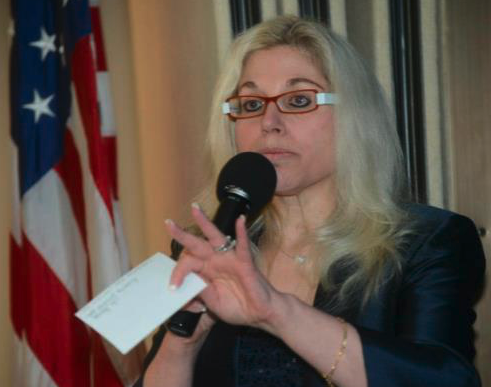
I was invited to speak at the Patients Rising Disrupting Healthcare Summit summer conference in Washington DC. My panel topic was Financing the Healthcare of Tomorrow. As I was preparing my presentation, I spoke with Michael Capaldi, Executive Director, the Institute for Gene Therapies. Mike is an expert on gene and cell therapies, and these therapies are definitely the healthcare of tomorrow, although thankfully, we are beginning to see the promise of these therapies today. When we talked about my presentation, he said, “you know, Robin, patients are really at a crossroads: on the one hand, they are much more educated and empowered about their care, but some of the new therapies on the horizon are so complex, the cost and time commitments to innovate in these areas are so high, that groups like the National Consumers League [i]are in position to help patients and caregivers understand these complexities.”
And that’s when it hit me. A playlist. My colleague had me at Crossroads. If you’re a fan of delta blues, like my husband and me, then you know Robert Johnson and his classic, Crossroads. The rest of my remarks rounded out my Financing the Healthcare of Tomorrow Playlist: Tracks for Consumers and Policymakers, which include:
Crossroads (Robert Johnson)—Robert Johnson’s haunting work reminds me of the difficult choices health policymakers have to make when it comes to healthcare financing—of course research and innovation are expensive—the diseases for which there are no cures, the conditions crying out for prevention, are complex and require decades of research, a deep understanding of basic science, and navigating an unpredictable regulatory path. Too many diseases and too few resources lead to heartbreaking trade-offs. Patients also have difficult choices to make when it comes to paying for their care. We shouldn’t have to be making deals with the devil—as Robert Johnson sings about in Crossroads. Instead, we need to reframe the questions we ask, review how we prioritize funding streams, and think creatively about financing mechanisms. Rather than question if society spends too much on healthcare, we should be asking how can we spend it more efficiently? How do we adequately incentivize all involved in funding transformational innovation? How do we make sure patients can afford and access the treatment they need?
I Am Woman (Helen Redding)—it gets really old but here we are, still talking about, and working on, closing the gender gap—in raising capital for venture funding for women-lead innovation teams; and in awarding grants to women lead research teams. Did you know, that according to the NIH Database monitoring NIH grants, grants awarded to women lead teams in 2022 numbered 19,028 and in the same year men won 31, 560 NIH grants? Progress yes, but not good enough. Not even close. Why is this important? Because the teams with funding ask the research questions. The more diverse the research teams, the broader the array of diseases that are studied. More cures for more people.
Your Cheatin’ Heart (Hank Williams, Jr.)—I want to be careful and not paint all hospitals with the same brush but I would be remiss not to point out that too many hospitals are behaving badly: taking huge advantage of their nonprofit status, aggressively placing liens on patients who can’t afford their care, engaging in abusive debt collection activities, and worse, denying care; manipulating the 340B program designed 30 years ago to enable true safety-net providers to help low-income and other vulnerable patients access more affordable medicines and healthcare services. Some entities participating in the 340B program have taken advantage of the program’s current lack of clarity at the expense of the patients that the program is meant to serve.
Bad to the Bone (George Thorogood) – When it comes to taking advantage of our healthcare system, one major player in the drug pricing process might be considered “bad to the bone” – pharmacy benefit managers, or PBMs. PBMs continue to find ways to increase their profits while consumers are forced to pay high out-of-pocket costs for the prescription medicines they need. Although they were intended to help negotiate savings on medicines (which would be good), they are not passing along discounts to patients and are actually incentivized to steer patients to higher cost medicines – b-b-b-b-bad to the bone if you ask me!
Party Like It’s 1999 (Prince)—Shakespeare asked, What’s in a name? Fair question. Reminds me to also ask, what’s in a definition and when is it time to update it? How we defined value, quality (as in value of care, quality of care) and other terms in 1999, needs to be reevaluated on an ongoing basis. New innovations, insights, and understandings necessitate we revisit how we define, measure, and update the terms and metrics used to make decisions that affect healthcare financing. A great example comes from another colleague[ii] who has co-authored and published compelling work on a “paradigm shift in managing high blood pressure.” He and his colleagues make the case that “Abandoning the view that hypertension is a disease in favor of regarding it as a cause of a disease and hence, adopting a population-based preventive approach would encourage the development of simpler guidelines.” Refreshed decades old thinking that could yield the elusive results the status quo has not achieved seems worthy of a party, like its 2023.
I Will Survive(Gloria Gaynor) and Stayin’ Alive(The Bee Gees)—Really, isn’t this what we are all trying to do?
A Change Is Gonna Come(Sam Cooke)—for patients like my husband, for our family, and for all the other patients and caregivers, change cannot come soon enough. I pledge to do everything possible to advocate for meaningful change and help Patients Rising.
[i] I direct health policy for National Consumers League
[ii] Wald, Nicholas J., Wald, David S., Kellermann, Arthur L., “When Guidelines Cause Hypertension,” Commentary, The American Journal of Medicine, 2018, pp. 1402-4.
https://nclnet.org/wp-content/uploads/2023/01/Screen-Shot-2023-01-10-at-12.16.19-PM.png387491Katie Brownhttps://nclnet.org/wp-content/uploads/2020/08/NCL-logo.pngKatie Brown2023-07-12 15:26:182025-06-16 23:15:04Financing the healthcare of tomorrow playlist: Tracks for consumers and policymakers
I have written before about being born into a family that experienced the agony of the polio epidemic. My uncle Roger Joseph’s battle with the disease—including his diagnosis in 1951 by my father, a practicing internist—devastated our entire family. My uncle, a golden boy, popular, handsome, brilliant, and kind, graduated from the University of Minnesota and Harvard Law School; he also won a silver star for his military service in WW2. Married with three daughters, he had a thriving law practice when he fell ill.
His case was severe and rendered him paralyzed. Confined to an Iron Lung for two years, the device was designed to stimulate breathing in patients whose lungs no longer functioned. With a great deal of therapy, my Uncle Roger, by then quadriplegic, moved to a motorized wheelchair that he ended up using for the rest of his life. He doted on his children, moved in with my grandmother, slept in a rocking bed to facilitate his breathing, and had an attendant on duty 24 hours a day. When we visited my grandmother, we visited our uncle too. He also came to our home for Sunday dinners, and I recall him taking breaths carefully before speaking, and when he did, he was wry and funny. He also had to learn to write again with his non-dominant hand. My mother, who had always idolized him, marveled at how his handwriting never changed.
My uncle lived 16 years with polio, thanks to a loving family, modern medicine, financial wherewithal, his wheelchair, and his attendant. Paralyzed from the neck down, he nonetheless spent these years productively, doting on his daughters, going to work every day, and attending baseball games, and even traveling abroad.
In 1954, U.S. physician Jonas Salk developed a vaccine to prevent the disease. The polio vaccine was first tested on 1.6 million children in Canada, Finland, and the United States before it was used more broadly. By 1957, annual cases had dropped from 58,000 to 5,600, and by 1961, only 161 cases remained. Had my uncle had access to the vaccine, he never would have gotten sick.
The powerful lessons about vaccines weren’t lost on anyone in my family. This explains why I feel obligated to confront head-on the dishonesty and lies of the anti-vaxxers. I have traveled to the CDC and the FDA numerous times to testify in support of childhood and adult vaccinations, and each time have been confronted by vaccine deniers.
Here’s the problem: Those of us with memories of family members with devastating diseases like polio are aging out. We are victims of our own success in wiping out childhood diseases. Younger generations have now been vaccinated for polio, measles, rubella, mumps, influenza, diphtheria, tetanus, and whooping cough so they do not know the trauma these illnesses caused to millions of families. Come to think of it, I’m in that category myself.
Florence Kelley, who in 1899 launched the National Consumers League, wrote in the 1880s about the dark days of “diphtheria”; she lost three young siblings to the disease, which sent her mother into lifelong depression. But I have never known anyone with diphtheria, thanks to vaccines.
My 27-year-old son never had measles—nor any of his friends. But my siblings and I all did, along with rubella, chicken pox, and the mumps. Measles alone is far more serious than often understood. In 2021 alone it killed nearly 128,000 unvaccinated children under age 5 around the world.
All of which leads me to the reason I have written this blog. Each year, Uncle Roger’s daughters proudly award the Roger E. Joseph Prize, (created by my Uncle Burton Joseph, in honor of his brother and their dad) and for this year’s prize, my cousin Linda produced a video; it tells a compelling story of her experience with her father’s illness. Hebrew Union College, which graduates reform rabbis, hosts the awards. Honorees have included Rosa Parks, Henry Louis Gates, Morris Dees, Sara Bloomfield, and the Center for Reproductive Rights. A complete list is at the link below.
Indeed, the Roger E. Joseph Prize is a point of immense pride for our family, but it also gives us the opportunity to talk about diseases like polio and, now Covid, and the critical importance of the vaccines developed to prevent them.
How truly fortunate we are to have a medical establishment that has helped to prevent families from suffering, the way ours did, when a loved one falls ill from an infectious disease.
As the anti-vaccine movement grows each year—a = movement that traffics in conspiracy theories and junk medicine—note Robert Kennedy Jr.’s anti-vaccine crusade, which his own family has denounced in this article published by Politico.
Now more than ever we need to have conversations about the critical importance of vaccines.
https://nclnet.org/wp-content/uploads/2020/08/Sally2017_92px.jpg968968Katie Brownhttps://nclnet.org/wp-content/uploads/2020/08/NCL-logo.pngKatie Brown2023-06-21 14:02:532023-06-21 14:10:26We must never forget the importance of vaccines
Media contact: National Consumers League – Melody Merin, melodym@nclnet.org, 202-207-2831
Washington, D.C.—June 7, 2023—The National Consumers League (NCL) today sent a letter signed by 37 leading advocacy organizations, including groups that represent patients with common and chronic conditions who depend on laboratory testing to manage their health, urging Senate and House leaders to protect access to clinical laboratory services by enacting the Saving Access to Laboratory Services Act (SALSA / H.R. 2377 / S. 1000) this year.
“Without congressional action this year, Medicare reimbursement cuts scheduled for January 2024 could limit access to essential tests that 65 million American seniors rely on to diagnose and manage disease,” said Sally Greenberg, NCL Chief Executive Officer. “The Saving Access to Laboratory Services Act would help ensure robust access to laboratory services that improve patient health.”
Highlights from the letter include:
“Without congressional action, Medicare reimbursement cuts – a fourth round scheduled to begin January 1, 2024 – could jeopardize access to many clinical laboratory tests that are used to diagnose, monitor, prevent, and manage common diseases for Medicare beneficiaries.”
“Clinical diagnostic tests play a critical role in health care by informing 70 percent of medical decisions doctors and other health care providers make to care for patients. For example, in 2020 care for Medicare beneficiaries was supported by more than 17 million hemoglobin A1C tests that assessed diabetes risk, 28 million tests that diagnosed and monitored heart disease, and 90,000 tests that diagnosed leukemia and hereditary breast and colon cancer.”
“A strong, national laboratory infrastructure is critical to ensuring that testing can be rapidly developed and made widely available when pathogens of concern are identified. Simply put, clinical laboratories strive to be prepared for whatever the next infectious disease outbreak may be and in times of emergency are part of the nation’s critical infrastructure.”
“Between 2017 and 2022, payment for some common tests for diseases like diabetes, cancer, and heart disease were cut by 27 percent. The next round of Medicare cuts would lower reimbursement up to another 15 percent for about 800 laboratory tests widely used to screen and manage many serious diseases. It is essential that Congress protect patients by acting this year to fix the Medicare payment model for clinical diagnostic tests.”
“Because of the serious implications for patients who rely on routine as well as advanced diagnostic laboratory services, Congress has acted three times to delay these cuts in recent years, but permanent reform is needed now. Fortunately, the Saving Access to Laboratory Services Act would update Medicare’s payment system, which would help protect access to clinical laboratory testing, support investment in innovation, and strengthen America’s clinical laboratory infrastructure.”
Below is the list of signatories:
A Breath of Hope Lung Foundation
AliveAndKickn
Alliance for Aging Research
Alliance for Women’s Health and Prevention
American Association of Kidney Patients
American Sexual Health Association
AnCan
Black Women’s Health Imperative
CancerCare
Cancer Support Community
Caregiver Action Network
Caring Across Generations
Cholangiocarcinoma Foundation
Chronic Disease Coalition
Community Liver Alliance
Down Syndrome Association of Orange County
FORCE: Facing Our Risk of Cancer Empowered
Global Liver Institute
GO2 Foundation for Lung Cancer
HealthCare Institute of New Jersey (HINJ)
Healthcare Leadership Council
Healthy Men Inc.
HealthyWomen
ICAN, International Cancer Advocacy Network
International Foundation for Autoimmune & Autoinflammatory Arthritis
The Latino Coalition
LUNGevity Foundation
Lupus and Allied Diseases Association, Inc.
Men’s Health Network
Minority Health Institute
The National Association of Directors of Nursing Administration
National Alliance of State Prostate Cancer Coalitions
About the National Consumers League (NCL)
The National Consumers League, founded in 1899, is America’s pioneer consumer organization. Our mission is to protect and promote social and economic justice for consumers and workers in the United States and abroad. For more information, visit www.nclnet.org.
https://nclnet.org/wp-content/uploads/2020/08/NCL-logo.png00sepidehkhttps://nclnet.org/wp-content/uploads/2020/08/NCL-logo.pngsepidehk2023-06-07 21:05:252025-05-20 20:50:34NCL and 36 leading patient organizations urge Congress to protect access to essential laboratory tests
Media contact: National Consumers League – Melody Merin, melodym@nclnet.org, 202-207-2831
Washington, D.C. – The National Consumers League welcomes President Joe Biden nomination’s of Dr. Monica Bertagnolli as the Director of the National Institutes of Health (NIH).
NIH plays a critical role in advancing science to benefit patients. Dr. Bertagnolli’s deep understanding of biomedical research and proven leadership in directing the National Cancer Institute makes her an ideal nominee for the NIH Directorship.
“Dr. Bertagnolli brings so much experience to this post,” said Sally Greenberg, NCL’s CEO. “She is a physician, scientist, and a patient herself, so she has seen all sides of the issues facing patients and the NIH. We would be fortunate indeed to have someone of Dr. Bertagnolli stature and accomplishments leading the NIH.”
Dr. Bertagnolli is currently the Director of the National Cancer Institute (NCI). Prior to her role at the NCI, Dr. Bertagnolli was a professor of surgery at Harvard Medical School, and chief of the Division of Surgical Oncology at Brigham and Women’s Hospital and Dana-Farber Cancer Institute. In addition, she was the recent chair of the Alliance for Clinical Trials in Oncology, a national clinical trial network of the NCI.
“NCL believes that Dr. Bertagnolli is the right leader for this critical agency that advances public health. NCL supports her nomination and we urge the Senate to confirm her promptly,” Greenberg added.
###
About the National Consumers League (NCL)
The National Consumers League, founded in 1899, is America’s pioneer consumer organization. Our mission is to protect and promote social and economic justice for consumers and workers in the United States and abroad. For more information, visit nclnet.org.
https://nclnet.org/wp-content/uploads/2020/08/NCL-logo.png00Katie Brownhttps://nclnet.org/wp-content/uploads/2020/08/NCL-logo.pngKatie Brown2023-05-15 15:53:092025-05-20 20:51:06NCL statement on nomination of Dr. Monica Bertagnolli as the Director of the National Institutes of Health
Media contact: National Consumers League – Katie Brown, katie@nclnet.org, 202-823-8442
Washington, D.C. – This week, researchers from the Office of Food Additive Safety, Center for Food Safety and Applied Nutrition, Food and Drug Administration (FDA) published an analysis on the toxicity of cannabidiol (CBD). The National Consumers League (NCL), the nation’s oldest consumer advocacy organization, has been actively monitoring the growing threats to consumer safety as the market for untested, unapproved cannabidiol (CBD) products has exploded. NCL Chief Executive Officer, Sally Greenberg, released the following statement:
“We’re encouraged to see the experts at the FDA continue efforts to study CBD. These findings unfortunately further validate our concerns around the risks, including negative drug-drug interactions, disruption of critical metabolic pathways, liver injury, reproductive toxicity, and more. These concerns are of course heightened by the fact that many consumers are using products without physician oversight and often use products for long periods of time. The data highlights the need to ensure that FDA has sufficient regulatory tools and resources to mitigate public health risks in this wild west CBD marketplace.”
Learn more about the path to safe cannabis and CBD use here. And learn more about the cannabis consumer market at cannabiswatch.org.
###
About the National Consumers League (NCL)
The National Consumers League, founded in 1899, is America’s pioneer consumer organization. Our mission is to protect and promote social and economic justice for consumers and workers in the United States and abroad. For more information, visit nclnet.org.
https://nclnet.org/wp-content/uploads/2023/05/Social-Media-Images-23.png788940Katie Brownhttps://nclnet.org/wp-content/uploads/2020/08/NCL-logo.pngKatie Brown2023-05-12 14:05:142025-06-02 16:34:17NCL statement on FDA review of the oral toxicity of cannabidiol (CBD)
The good news is that improvements in disease prevention are saving lives. For example, more minority women are getting mammogram screenings for breast cancer, getting treatment with antibiotics earlier, and seeking counseling for smoking cessation. As a consequence, Hispanic, American Indian, and Asian women all have lower death rates from heart disease when compared with white women and breast and lung cancer deaths have been declining steadily among African American women.
But while we can celebrate these advancements, now is the time to be even more mindful of the minority health problems that are often discounted and go untreated. And here, no problem needs our attention more than the disease of obesity, where people of color face an unequal burden of weight-related chronic conditions and premature death due to significant disparities in medical care.
In sheer numbers and its toll on death and disability, obesity has reached crisis proportions in the US. According to the Centers for Disease Control and Prevention, the adult obesity rate now exceeds 40 percent – the highest level ever recorded. And the costs are staggering. Not only is obesity a serious disease by itself, but it worsens the outcomes of over 230 chronic conditions including type 2 diabetes, heart disease, and certain cancers. Thus, obesity is responsible for 300,000 premature deaths each year and costs the U.S. economy over *$1.72 trillion annually in health costs.
But these statistics only begin to document the problem. Obesity disproportionately affects Black and Brown communities and is now one of the most serious health equity issues facing the nation. Due to higher rates of obesity among communities of color, Black adults are 1.5 times as likely to experience stroke, 40 percent are more likely to have high blood pressure and 60 percent are more likely to be diagnosed with diabetes than White adults. Additionally, Hispanics are 1.7 times more likely to have diabetes than Whites, Asian Americans are 40 percent more likely to be diagnosed with diabetes, and Native Hawaiians/Pacific Islanders are 2.5 times more likely to have diabetes and 3.9 times as likely to experience a stroke.
The threat is real, but hand ringing is not the answer. Obesity is a treatable disease, just like type 2 diabetes and hypertension. Yet obesity remains largely undertreated by healthcare providers. As documented in a National Consumers League report issued in July 2022, 108 million adult Americans have obesity, but only 30 million adults have been diagnosed with the disease (source: PharMetrics-Ambulatory EMR database, 2018. Novo Nordisk Inc.).
Compounding the problem, only 2 percent of those eligible for treatment with FDA-approved anti-obesity medicines (AOMs) have been prescribed these drugs. This means that very few Americans with obesity are benefiting from a new class of safe and effective medicines that control appetite and cravings to achieve significant weight loss. According to a study published in the New England Journal of Medicine, use of one of these drugs resulted in more than a 20 percent reduction in obesity when added to lifestyle modification.
While there are many reasons why obesity is going undiagnosed and untreated, the most pernicious are insurance barriers that keep people from getting the care they need. This includes government policy that allows states to define what are the essential health benefits that must be covered under any Affordable Care Act (ACA) marketplace plan sold on state health insurance exchanges. Yet, despite the ACA’s guarantees of providing all essential health benefits to consumers, a 2016 analysis by the Obesity Care Advocacy Network (OCAN) found that 24 states excluded coverage for weight/obesity management services in their benchmark marketplace plans, resulting in blatant discrimination against people with obesity.
An equally troubling situation involves the Medicare program, which prohibits coverage for FDA-approved anti-obesity medicines based on a policy dating back to 2003 when these drugs did not exist. This resistance to change leaves millions of seniors, particularly members of Black and Latino communities, vulnerable to disability, disease and premature death due to lack of treatment. Moreover, the extent of the disparities in obesity care will only get worse in the coming years if the status quo remains. As documented in a March 2023 report from AmerisourceBergen, the total number of Black, Native American, Asian, and Hispanics eligible for Medicare is predicted to more than double by 2038, many of whom will have obesity and a different set of chronic conditions than what Medicare is currently prepared to address.
Then, there is the Medicaid program operated by the states, which covers about three in ten Black, American Indian and Native Hawaiians/Pacific Islanders under age 65 and more than two in ten Hispanic adults. While Medicaid has helped narrow longstanding disparities in health coverage and access to care for people of color, this is not true for those Medicaid beneficiaries living with obesity. Today, only 15 Medicaid programs cover anti-obesity medications in fee-for-service Medicaid, and only four additional programs cover anti-obesity medications under at least one Medicaid managed-care plan. Moreover, only two states cover anti-obesity medications in benchmark Marketplace plans.
Already, *five states – Arizona, Arkansas, Idaho, New Hampshire, and South Dakota – have begun to disenroll people and by the end of June, 34 states and the District of Columbia will cut their Medicaid rolls, either due to their income status or for procedural reasons, such as not completing renewal forms. For this reason, advocates are using all available levers to help enrollees keep their Medicaid coverage and to assist those dropped from the program to find coverage through the Affordable Care Act’s marketplace or other options.
While this is a short-term solution, it is part of the national commitment by the public health community, minority health leaders, clinicians, patient advocates, and consumer organizations to change outdated and discriminatory policies that restrict coverage and access to obesity treatments. Our message is clear: the health of all Americans depends on taking obesity seriously and ensuring that those with the disease receive timely, comprehensive obesity care.
*Links are no longer active as the original sources have removed the content, sometimes due to federal website changes or restructurings.
https://nclnet.org/wp-content/uploads/2021/01/Glick-2.jpg16491589sepidehkhttps://nclnet.org/wp-content/uploads/2020/08/NCL-logo.pngsepidehk2023-05-10 16:33:352025-06-02 16:34:30A message for National Minority Health Month: Take obesity seriously
Media contact: National Consumers League – Katie Brown, katie@nclnet.org, 202-823-8442
Washington, D.C. – North Carolina became the 40th state to expand Medicaid under the Affordable Care Act. “NCL applauds Governor Roy Cooper, the work of relentless advocates, and those in the state legislature -Republicans and Democrats- who worked to make this week’s legislation possible,” said Robin Strongin, director of NCL’s health policy work. House Bill 76, the Access to Healthcare Options, is expected to provide health coverage to over 600,000 people throughout North Carolina.
“The expansion of Medicaid is a lifeline for those in need, shoring up rural health care, strengthening mental health services, improving access to health care for working families. The other 10 states should follow North Carolina’s lead,” continued Strongin.
Governor Cooper proposed using a portion of the almost $1.8 billion Medicaid expansion signing bonus to create the Improving Health Outcomes for People Everywhere (IHOPE) Fund. Medicaid expansion will take effect upon the signing into law of the FY 2023-25 appropriations act.
###
About the National Consumers League (NCL)
The National Consumers League, founded in 1899, is America’s pioneer consumer organization. Our mission is to protect and promote social and economic justice for consumers and workers in the United States and abroad. For more information, visit nclnet.org.
https://nclnet.org/wp-content/uploads/2020/08/NCL-logo.png00Katie Brownhttps://nclnet.org/wp-content/uploads/2020/08/NCL-logo.pngKatie Brown2023-03-28 21:32:592025-06-02 16:35:07NCL applauds expansion of Medicaid in North Carolina
PBPA Commends HHS Funding to Support Maternal and Infant Health
The Preterm Birth Prevention Alliance (PBPA), a coalition of maternal and women’s health advocates dedicated to improving preterm birth outcomes in the United States and addressing its disproportionate impact on women of color, applauds the U.S. Department of Health and Human Services (HHS) for awarding nearly $350 million to states across the country to improve support for safe pregnancies and healthy babies.
“For far too long, U.S. maternal health care has lagged behind that of other developed countries, particularly for women of color,” noted Sally Greenberg, Executive Director of the National Consumers League. “This additional funding will enable local health departments and nonprofits to better address the health care needs of the most vulnerable mothers and their babies.”
The funding, awarded by HHS’ Health Resources and Services Administration (HRSA), will support home visiting services, increase access to doulas, address infant mortality and maternal illness, and improve data reporting on maternal mortality.
“Maternal health care in the U.S. has consistently failed women of color,” Greenberg continued. “We applaud HHS for this additional funding that will help to improve the maternal health for all mothers and babies, especially women of color and those most at-risk.”
The funding announcement follows the release of a report by the U.S. Commission on Civil Rights which found that Native American women are more than two times more likely to die from pregnancy-related complications than white women in the U.S. This disparity was further exacerbated for Black women in the U.S., who are three to four times more likely to die from pregnancy-related complications than white women.
“In addition to expanding programs to support maternal health, we must increase representation from racially and ethnically diverse groups in research and clinical trials, particularly those studying treatment options to prevent maternal morbidity and mortality,” said Greenberg. “The need for the additional HHS funding and the report from the Commission on Civil Rights clearly illustrate how critical representative research and real world evidence are to ensuring all mothers and their babies have the same opportunity for the best possible health outcomes.”
While the COVID-19 pandemic has led to hardship for all Americans, it is clear that people of color have been disproportionately burdened. Across the health care continuum, addressing this disparity has become part of the broader conversation about the history of systemic racism and the underlying social determinants of health that negatively affect the mental, physical, and economic health of individuals and entire communities.
The pandemic has underscored persistent health disparities, and there is growing recognition that representation in research and clinical trials can have a profound impact on health outcomes. A lack of representation from racially and ethnically diverse groups in research and clinical trials have typically led to gaps in data, missing the opportunity to assess the full impact of various treatments and drugs across a range of populations. The collection and use of real-world research and data to inform the potential use, risks, and benefits of medical products and treatments can ultimately lead to better health outcomes, particularly for those who have been underrepresented in the past.
Existing efforts to improve inclusion
Efforts to expand diversity and representation in medical research are underway in Congress. Policymakers are encouraging the incorporation of Real World Evidence (RWE) in drug development through the recent Cures 2.0 draft legislation released by Reps. Diana Degette (D-CO-1) and Fred Upton (D-MI-6). While the status quo limits us from effectively reaching underserved populations, the proposed legislation would allow studies that include RWE for some drugs after they have been approved. At the heart of this issue is a growing appreciation that the same therapy can affect different populations in different ways, which is why Cures 2.0 supports collecting data that more accurately reflects the unique experiences and needs of patients across diverse populations.
Recognizing the potential for RWE in maternal health
The lack of representative research in the field of maternal health is undeniable, and its implications are staggering. The dismal state of maternal care in the United States reflects how our health care system has failed women of color, including by not adequately studying treatment options to prevent maternal morbidity and mortality. The need for RWE is clear when you consider the persistent disparities in health outcomes that plague minority communities.
Preterm birth and its disproportionate impact on women of color is a stark illustration of the need to make progress on representative research in maternal health. Preterm birth is the second-largest contributor to infant death in America today. Despite the tremendous physical, emotional, and financial toll that preterm birth continues to take on our country — disproportionately so on women and families of color — not enough therapeutic tools currently exist to prevent it.
Today, “17P,” the only FDA-approved treatment to help reduce the likelihood of spontaneous, recurrent preterm birth in the United States is at-risk of being withdrawn from the market in all its forms, including the branded product and five generic versions. Unfortunately there is conflicting evidence from two different clinical trials, one representative of a diverse U.S. population and another studied in a largely white population in Europe. It’s not a straightforward comparison. If 17P is withdrawn, the women most affected by preterm birth, predominantly women of color, would be left without an FDA-approved treatment option.
The FDA is considering the path forward, including additional data collection through leveraging RWE from past patient use. The success of the first (approval) trial for 17P in the impacted communities signals the importance of RWE. Continued access to 17P is, at its core, a matter of health equity. Black women must not yet again be left vulnerable to a system that historically has overlooked them.
PRETERM BIRTH PREVENTION ALLIANCE APPLAUDS FDA’S GRANTING OF HEARING FOR THE ONLY FDA-APPROVED THERAPIES TO REDUCE RECURRENT PRETERM BIRTH
WASHINGTON, DC, August 26, 2021 –
Preterm Birth Prevention Alliance a coalition of maternal and women’s health advocates dedicated to improving preterm birth outcomes in the United States and addressing its disproportionate impact on women of color, commends the U.S. Food and Drug Administration (FDA) for granting a public hearing to discuss 17P, the only FDA-approved class of branded and generic treatments to reduce preterm birth in indicated patients.
We appreciate the FDA’s willingness to hear directly from individuals facing prematurity and the providers who treat them about their experiences with 17P,” said National Consumer League’s Executive Director Sally Greenberg. “It is an important step towards better understanding variations in efficacy across diverse populations and ensuring all women have an equal chance at the best possible outcomes.”
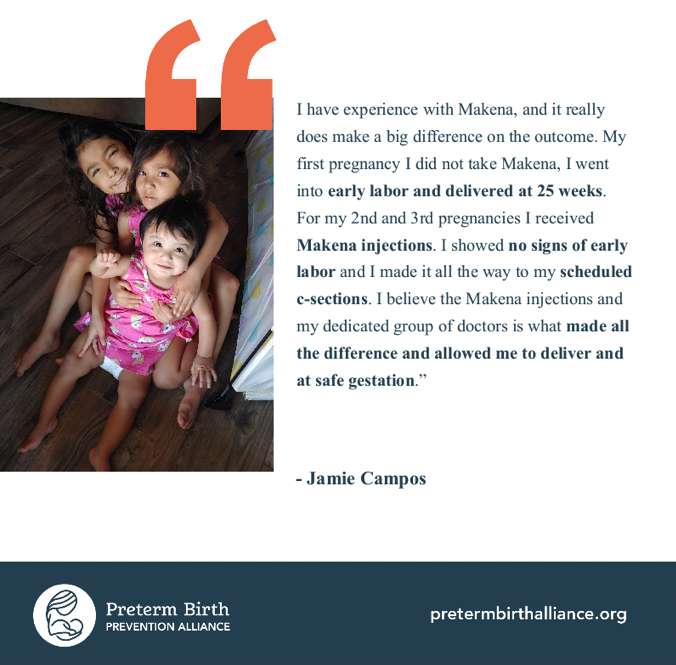
Last week, the FDA agreed to grant Covis Pharma, the manufacturer of the branded 17P product Makena its request for a public hearing to discuss 17P. Hydroxyprogesterone caproate—or “17P”—has been approved since 2011 and is the only FDA-approved class of treatments to help prevent spontaneous, recurrent preterm birth in the United States. In 2020, the FDA proposed withdrawing 17P in all its forms, including the branded product and its five generic versions, based on conflicting efficacy data from two studies composed of vastly different populations, one predominantly inclusive of women in the U.S. most vulnerable to preterm birth and one not.
“Mothers and birthing people deserve access to the best possible treatments to prevent preterm birth. We cannot achieve birth equity if we study pregnant women as a monolith,” said Blythe Thomas, Initiative Director of 1,000 Days. “It is only by systematically researching the real-world, post-market impact of 17P on individuals from a variety of racial and ethnic backgrounds, while maintaining access for all affected, that we can reduce disparities in maternal and infant health.”
While the hearing date has not yet been set, the Alliance looks forward to sharing the perspectives of affected individuals and their physicians with the agency once the hearing is scheduled and will continue to advocate for at-risk moms and babies of all races and ethnicities.
###
ABOUT THE PRETERM BIRTH PREVENTION ALLIANCE
The Preterm Birth Prevention Alliance (PBPA) is a coalition of maternal and women’s health advocates who share a common concern about the state of preterm birth in the United States and the proposed market withdrawal of 17P, the only FDA-approved class of treatments to help prevent spontaneous, recurrent preterm birth. Formed in 2021 by the National Consumers League, the 15 partners in the PBPA seek to improve preterm birth outcomes in the United States by maintaining access to safe, FDA-approved treatment options and advocating for more diverse medical research that adequately represents the experiences of women and newborns of color. Women of color need a seat at the table. To learn more, visit www.pretermbirthalliance.org
LEADING PATIENT ADVOCATES LAUNCH PRETERM BIRTH PREVENTION ALLIANCE TO PROTECT CRITICAL ACCESS TO THE SOLE FDA-APPROVED CLASS OF THERAPIES TO REDUCE RECURRENT PRETERM BIRTH
WASHINGTON, DC, April 20, 2021 – Today, the National Consumers League (NCL), along with a coalition of patient advocacy organizations dedicated to advancing the health of mothers and infants, announced the launch of the >Preterm Birth Prevention Alliance.
Members of the Alliance are joining forces in an effort to preserve patient access to the only Food & Drug Administration-approved class of treatments for pregnant women who have previously had an unexpected, or spontaneous, preterm birth. Together, Alliance members seek to ensure that the Food & Drug Administration (FDA) hears concerns from the full range of stakeholders about the potential risks and impact of withdrawal for at-risk pregnant women and their providers.
For the fifth year in a row, the U.S. preterm birth rate has increased (to 10.2 percent of births), and preterm birth and its complications were the second largest contributor to infant death across the country. Preterm birth also represents a significant racial health disparity, with Black women in America experiencing premature delivery at a rate 50 percent higher than other racial groups throughout the country.
However, in 2020, the FDA >proposed withdrawing hydroxyprogesterone caproate, commonly called “17P” or “17-OHPC”, the only FDA-approved class of branded and generic treatments to help prevent the risk of preterm birth in women with a history of spontaneous preterm birth. The FDA is currently determining whether to hold a hearing on the status of 17P, based on conflicting efficacy data from two studies composed of vastly different patient populations, one inclusive of women in the U.S. most vulnerable to preterm birth and one not.
“We’re fighting for a more inclusive healthcare system that gives everyone an equal chance to have the best outcomes possible,” said Sally Greenberg, executive director of the National Consumers League. “We don’t believe that removing 17P from the market without gaining a better understanding of who could benefit the most from its use is in the best interests of patients, nor their healthcare providers, particularly as there are no other approved treatment options available.”
To date, 14 organizations have joined NCL to advocate for the health interests of at-risk pregnant women and infants, including: 1,000 Days; 2020 Mom; American Association of Birth Centers; Black Mamas Matter Alliance; Black Women’s Health Imperative; Expecting Health; Healthy Mothers, Healthy Babies Montana; HealthyWomen; Miracle Babies; National Birth Equity Collaborative; National Black Midwives Alliance; National Partnership for Women & Families; Sidelines High-Risk National Support Network; and SisterReach.
“As a trained obstetrician and gynecologist, I know firsthand the impact of preterm birth on Black women and birthing people. I also know that racism – not race – is the driving factor leading the disproportionate impact of preterm birth on Black women and birthing people thereby exacerbating systemic inequities in maternal and infant health. To achieve birth equity, which is the assurance of the conditions of optimal births for all people with a willingness to address racial and social inequities in a sustained effort, we must work to protect and uphold a standard of care for spontaneous, recurrent preterm births and ensure it remains accessible and affordable for all who stand in need,” added Dr. Joia Crear Perry, founder and president of the National Birth Equity Collaborative.
The Preterm Birth Prevention Alliance is calling for the FDA to grant a public hearing to fully consider all of the data, additional research methods, and stakeholder perspectives before deciding whether to withdraw approval of this critical class of therapies. The health of America’s moms and babies warrants the utmost care and consideration.
###
ABOUT THE PRETERM BIRTH PREVENTION ALLIANCE
The Preterm Birth Prevention Alliance is a coalition of maternal and women’s health advocates who share a common concern about the state of preterm birth in the United States and the proposed market withdrawal of 17P, the only FDA-approved class of treatments to help prevent spontaneous, recurrent preterm birth. Formed in 2021 by the National Consumers League, we seek to improve preterm birth outcomes in the United States by maintaining access to safe, FDA-approved treatment options and advocating for more diverse medical research that adequately represents the experiences of women and newborns of color. Women of color need a seat at the table. To learn more, visit www.pretermbirthalliance.org.
Initial support for the Preterm Birth Prevention Alliance is provided by Covis Pharma.