National Consumers League applauds FDA’s decision increasing access to Mifepristone (the “abortion pill”)

January 5, 2023

Media contact: National Consumers League – Katie Brown, katie@nclnet.org, 202-823-8442

Washington, D.C. – The Food and Drug Administration (FDA)’s decision this week to lift a major barrier blocking access to medication abortion care marks an important step forward for women.  Mifepristone is a drug that blocks the hormone needed for a pregnancy to continue. Mifepristone, when used together with another medicine called misoprostol, is used to end a pregnancy through ten weeks gestation.  And it is safe.

The FDA posted the following on its website: “Mifepristone is safe when used as indicated and directed and consistent with the Mifepristone Risk Evaluation and Mitigation Strategy (REMS) Program. The FDA approved Mifeprex more than 20 years ago based on a thorough and comprehensive review of the scientific evidence presented and determined that it was safe and effective for its indicated use.  As of 2016, it can be used for medical termination of pregnancy up to 70 days of gestation.  The FDA’s periodic reviews of the postmarketing data for Mifeprex and its approved generic have not identified any new safety concerns with the use of mifepristone for medical termination of pregnancy through 70 days gestation. As with all drugs, the FDA continues to closely monitor the postmarketing safety data on mifepristone for the medical termination of pregnancy.”

NCL urges continuous attention on this issue. While FDA moved things forward by expanding access, too many people remain without care options because they live in states that ban telehealth for medication abortion or have banned abortion outright.

FDA’s lifting of the in-person dispensing requirement and establishing a new program to certify both brick-and-mortar and mail-order pharmacies to dispense mifepristone is a turning point for so many, especially young women and women in abusive relationships who may not have the privacy to receive medication by mail.

###

About the National Consumers League (NCL)
The National Consumers League, founded in 1899, is America’s pioneer consumer organization.  Our mission is to protect and promote social and economic justice for consumers and workers in the United States and abroad.  For more information, visit https://nclnet.org.

NCL welcomes FDA heightened concerns related to CBD products

December 29, 2022 [Updated]

Media contact: National Consumers League – Melody Merin, melodym@nclnet.org, 703-298-2614

Washington, D.C. – The National Consumers League (NCL), the nation’s oldest consumer advocacy organization, is welcoming of the FDA’s heightened concern and attention to consumer safety risks in the CBD or cannabidiol consumer product market.

“The FDA’s continued engagement and work in the CBD consumer product market is critical to protecting consumer safety – the agency’s increased attention to CBD products is welcome news,” said Sally Greenberg, NCL’s Chief Executive Officer.

In 2019, in response to the proliferation of unreviewed and untested CBD products, NCL identified the need for greater education among consumers about CBD and better enforcement of regulations in the CBD marketplace. NCL created Consumers for Safe CBD to address this need, champion the rights of consumers, and call on government and industry to do better – to ensure safety and promote a pathway for new products through clinically tested scientific research.

Since then, action has been taken on the state and federal levels to increase access to cannabinoids beyond CBD, which is why NCL is now shifting its focus to cannabis more broadly with the establishment of Cannabis Consumer Watch. Cannabidiol (CBD) is a chemical compound found in cannabis plants. It is one of the main ingredients in cannabis, but unlike THC, it does not cause a high or have psychoactive effects.

“NCL called on the FDA to develop regulations for the CBD marketplace. We also asked the CBD industry to ensure safety and promote a pathway for new products through clinically tested scientific research,” said Greenberg.

The 2018 Farm Bill legalized hemp cultivation in the U.S., which led to significant growth in the CBD marketplace.

“Since 2019, NCL and other groups like the Consumer Federation of America and Community Anti-Drug Coalitions of America have been asking the FDA to step in and address the CBD marketplace – which is currently a ‘Wild West,’ with myriad unsubstantiated claims made by many in the industry about the so-called benefits of CBD products for everything from sleep disorders to cancer to pain relief, without regard to safe dosages,” Greenberg noted. “We want the agency to establish a regulatory framework for the legal sale of appropriate cannabis and cannabis-derived products. Some industry members have been asking for rules of the road as well. Any regulatory framework FDA recommends for cannabis-derived products must prioritize consumer safety and address the safety risks the agency has identified.”

There is only one FDA-approved drug on the market that employs CBD as its active ingredient – Epidiolex – a medication to treat a rare form of childhood epilepsy. That drug has undergone the rigorous FDA approval process and thus has substantiated therapeutic benefits that outweigh the risks which can be managed by prescribing physicians.

Cannabis Consumer Watch will continue to work to educate consumers about the potential dangers of CBD in an unregulated market and encourage the FDA to take strong, effective, and prompt action to protect the public from the potential harms posed by unregulated, untested CBD.

###

About the National Consumers League (NCL)
The National Consumers League, founded in 1899, is America’s pioneer consumer organization.  Our mission is to protect and promote social and economic justice for consumers and workers in the United States and abroad.  For more information, visit https://nclnet.org.

DeSantis’s anti-vax claims are wrong and dangerous, says NCL

December 22, 2022

Media contact: National Consumers League – Melody Merin, melodym@nclnet.org, 703-298-2614

WASHINGTON, D.C. – The National Consumers League was very disappointed to learn that Florida Governor Ron DeSantis recently announced that he is requesting a statewide grand jury investigation into alleged “crimes and wrongdoings” relating to the COVID-19 vaccine. He is forming a public health policy committee whose charge is to review public health recommendations and guidance made by federal health experts and agencies like the Food and Drug Administration and the Centers for Disease Control and Prevention (CDC). The committee will be overseen by the state’s Surgeon General Joseph Ladapo, who himself has repeatedly made anti-vaccination claims.

“For a public official of Governor DeSantis’s stature to make these baseless anti-vaccination claims is wrong and dangerous,” says NCL Chief Executive Officer Sally Greenberg. “The governor has reversed course from supporting the roll out of the COVID vaccine and now is raising questions, against all scientific evidence, about the efficacy and safety of these critically important medicines. COVID vaccinations have been found overwhelmingly effective in reducing the risk of infection from the SARS-CoV-2 virus, which has killed more than 1 million Americans, most of whom were unvaccinated.”

In a study of  4,000 healthcare personnel, police, firefighters, and other essential workers, the CDC found that the vaccines reduced the risk of infection by 80 percent after one shot. Protection increased to 90 percent following the second dose. The findings are consistent with clinical trial results and studies showing strong effectiveness in Israel and the United Kingdom, and in initial studies of healthcare workers at the UT Southwestern Medical Center and in Southern California.

Protecting public health remains one of NCL’s focus, and vaccinations are one of the most effective public health prevention tools available to keep consumers and workers safe from severe and potentially deadly diseases.

We call upon all officials – including Governor DeSantis – who hold positions of responsibility and visibility, to rely on evidence-based medicine and science before making unfounded claims.

###

About the National Consumers League (NCL)
The National Consumers League, founded in 1899, is America’s pioneer consumer organization.  Our mission is to protect and promote social and economic justice for consumers and workers in the United States and abroad.  For more information, visit https://nclnet.org.

Nancy Glick

Alcohol labeling: We’re in it to win it

Nancy GlickBy Nancy Glick, Director of Food and Nutrition Policy

For historians, 2003 will be remembered as the year that the space shuttle Columbia crashed, scientists finished sequencing the human genome, and the U.S. launched war against Iraq.

But 2003 also marks an important milestone for American consumers. In December of that year, three national consumer organizations – the National Consumers League (NCL), Center for Science in the Public Interest (CSPI), and the Consumer Federation of America (CFA) – first petitioned the federal government to require an easy to read, standardized “Alcohol Facts” label on all beer, wine and distilled spirits products. This sparked a 19-year battle that is finally paying off for the estimated 67 percent of Americans[1] who drink alcoholic beverages.

In 2003, the Nutrition Facts label on processed foods and non-alcoholic beverages had been in use for almost a decade (1994) and many consumers said they frequently or almost always read the label. Thus, public acceptance and use of the Nutrition Facts label created built-in public support for an Alcohol Facts label. In fact, polling NCL commissioned in both 2005 and 2007 showed overwhelming public support for comprehensive alcohol labeling. Now, polling consistently shows that 75 percent of Americans think alcoholic beverages should have standardized alcohol content labels and 72 percent say this labeling will encourage responsible alcohol use.

Even more significantly, not knowing what is in a beer, wine or distilled spirits drink increases the risk for overconsumption of alcohol, a serious and costly public health problem. According to the latest research findings, alcohol is a source of empty calories that contribute to obesity,[2] and can impact blood sugar control in people with diabetes.[3] Additionally, alcohol is a roadway killer accounting for about 30 percent of all traffic crash fatalities in the U.S.,[4] and excessive drinking increases the risk of liver disease, hypertension, cardiovascular disease, alcohol use disorders, certain cancers and severe injuries.[5] Consequently, an estimated 140,000 people in the United States die annually from alcohol- related causes,[6] which is why the cost of excessive alcohol use reached $249 billion in 2010 and is likely higher today..[7]

Based on this documented evidence, the 2003 petition, which was also signed by 73 nutrition/public health organizations and experts, called for a label that gives consumers the needed information to make responsible drinking decisions, such as the serving size, amount of alcohol and calories per serving, the percent alcohol by volume, and the number of standard drinks per container. And yet, the lead federal agency that regulates alcoholic beverages – the Alcohol and Tobacco Tax and Trade Bureau (TTB) – deliberated but failed to take meaningful action for almost two decades.

The arcane process started in 2005 with an advance notice of proposed rulemaking, which produced over 19,000 public comments. In 2006, TTB issued another notice of proposed rulemaking on allergen labeling followed by a notice in 2007 on alcohol and nutrition labeling. Unfortunately, however, TTB allowed these proposed rules to languish, ultimately deciding in 2013 to issue a voluntary rule allowing companies to decide what nutrition and calorie information to disclose – and what to keep hidden. Not surprisingly, many manufacturers opted out of TTB’s program so most alcoholic beverage products on the market remain unlabeled or carry incomplete information.

Even with these setbacks, the consumer community kept up the pressure on TTB because the need for alcohol labeling has only increased. This became apparent during the COVID-19 pandemic when a 2020 RAND study charted a 14 percent increase in alcohol consumption among adults over age 30 in one year.[8] Another national study found that excessive (binge) drinking increased by 21 percent during the pandemic, with the potential for 8,000 additional deaths from alcohol-related liver disease by 2040.[9]

And then, the sand started to shift. Also related to the pandemic, consumer demand skyrocketed for hard ciders, some types of beers, wine coolers and the other low-alcohol drinks sold in supermarkets and convenience stores and what consumers saw were complete alcohol labels on these products. This is because low-alcohol drinks fall under the purview of the Food and Drug Administration, not TTB. Armed with this evidence, NCL leaders met online with Department of Treasury and TTB officials in June 2021 and put TTB in the uncomfortable position of having to explain why often the same manufacturers who must put a standardized content label on brands regulated by FDA don’t bother to do so when their products are under TTB’s jurisdiction.

Not long after this meeting, the Treasury Department conducted its own review and on February 9, 2022, issued a report, Competition in the Markets for Beer, Wine and Spirits, that advanced the importance of labeling information to foster competition within the beverage alcohol industry. The report contains several recommendations, including the recommendation that “TTB should revive or initiate rulemaking proposing ingredient labeling and mandatory information on alcohol content, nutritional content, and appropriate serving sizes.”

This was encouraging news, so NCL doubled down, combining forces with CSPI and the Consumer Federation of America to get TTB to mandate alcohol labeling across the board. Recognizing that public pressure alone will not ensure success, the organizations turned to Congress, hosting briefings for lead staffers of the House and Senate appropriations committees with jurisdiction over TTB’s budget and sending a joint letter to key Congressional leaders from 23 consumer, health/nutrition, and alcohol policy organizations about the need for mandatory alcohol labeling. This led to report language in the draft House and Senate 2023 appropriations bills that encourages TTB to initiate a final rulemaking.

The last step was filing a lawsuit against TTB in the United States District Court for the District of Columbia on October 3, 2022, asking the court to direct TTB to grant or deny the 2003 petition within 60 days. The lawsuit was a gamble, but it worked: on November 17, 2022, TTB accepted the 2003 petition and committed to publish three rulemakings covering mandatory nutrient and alcohol content labeling, mandatory allergen labeling, and mandatory ingredient labeling within the next year.

However, this is not the end of the story. The proposed rules will be accompanied by open public comment periods where we can anticipate that segments of the alcohol industry will be aggressive in fighting robust consumer labeling.  Therefore, NCL will also be actively engaging a wide range of stakeholders to weigh in on behalf of consumers so the American public to have access to standardized and complete labeling information on beer, wine and distilled spirits. It has taken 19 years to get to this point, but our message is clear: alcohol labeling is long past due, consumers overwhelmingly want to see it, and we will stay in the fight until alcohol labeling is a reality.

[1] Gallup. Alcohol & Drinking. July 2022

[2] U.S. Department of Agriculture and U.S Department of Health and Human Services. Dietary Guidelines for Americans, 2020-2025. 9Th Edition. December 2020.

[3] Emanuele NV, et al. Consequences of Alcohol Use in Diabetics. Alcohol Health Res World. 1998; 22(3): 211–219.

[4] National Highway Traffic Safety Administration. Risky Drunk and Drugged Driving Statistics.

[5] U.S. Centers for Disease Control and Prevention. Alcohol and Public Health. Last reviewed April 14, 2022. https://www.cdc.gov/alcohol/fact-sheets/alcohol-use.htm

[6] U.S. Centers for Disease and Control Prevention. Deaths from Excessive Alcohol Use in the U.S. Page last reviewed April 14, 2021. https://www.cdc.gov/alcohol/features/excessive-alcohol-deaths.html . Accessed June 2, 2022.

[7] U.S. Centers for Disease Control and Prevention. Alcohol and Public Health. Page last reviewed April 14, 2022. https://www.cdc.gov/alcohol/features/excessive-drinking.html. Accessed June 2, 2022.

[8] Pollard MS, et al. Changes in Adult Alcohol Use and Consequences During the COVID-19 Pandemic in the US. JAMA Netw Open. 2020;3(9):e2022942.

[9] Julien J, et al. Effect of increased alcohol consumption during COVID-19 pandemic on alcohol-associated lover disease: A modeling study. Hepatology. Vol. 75; Issue 6; June 2022; 1480-1490.

National Consumers League names Robin Strongin to lead Health Policy

December 14, 2022

Media contact: National Consumers League – Katie Brown, katie@nclnet.org, 202-823-8442

WASHINGTON DC. –  National Consumers League (NCL)-the nation’s oldest consumer advocacy organization, has named Robin Strongin Senior Director, Health Policy, beginning January 4, 2023.  Robin will oversee NCL’s robust health care portfolio.

An accomplished public affairs expert with decades of experience working in Washington, D.C., Robin has worked with and for federal and state governments, regulatory agencies, the White House, Congress, think tanks, nonprofit organizations, corporations, start-ups, coalitions, and trade associations. Robin served as a Presidential Management Intern and worked in the Office of Legislation and Policy in the Health Care Financing Administration (now the Centers for Medicare and Medicaid Services), the Prospective Payment Assessment Commission (now the Medicare Payment Advisory Commission) in addition to serving in the Office of Congressman James J. Florio (D-NJ).  Robin spent a decade as a senior research associate at George Washington University’s National Health Policy Forum.

Robin ran Amplify Public Affairs, LLC and launched an award-winning Disruptive Women in Health Care blog®; she also served on the following boards: the Institute for Music and Neurologic Function (founded by Dr. Oliver Sacks); AcademyHealth’s Translation and Dissemination Institute Advisory Committee; Kaiser Permanente’s Institute for Health Policy; Older Women’s League; Physician-Parent Caregivers; and The Hill newspaper Publisher’s Advisory Board. In October 2015, Robin was named to the National Alzheimer’s Scientific, Patient and Caregiver Advisory Council of the PCORI-funded Alzheimer’s & Dementia Patient/Caregiver-Powered Research Network (AD-PCPRN); and named a Woman of Impact (https://www.womenofimpact.org) in December 2015.

“The National Consumers League is a powerful force in leading and advocating for consumers’ health and safety,” said Strongin. “I’m deeply honored to be part of a team dedicated to this critical mission and I look forward to working with Sally Greenberg, the board, and the entire team to achieve our vision.”

###

About the National Consumers League (NCL)
The National Consumers League, founded in 1899, is America’s pioneer consumer organization.  Our mission is to protect and promote social and economic justice for consumers and workers in the United States and abroad.  For more information, visit https://nclnet.org.

Promising new therapies are giving hope to Alzheimer’s patients and families, so why limit access?

Sally Greenberg

By Sally Greenberg, Executive Director

For years, Alzheimer’s patients, families, and caregivers have battled a condition with no treatment options. This year alone, an estimated 6.5 million Americans age 65 and older are living with Alzheimer’s.

The good news is, we’ve recently seen remarkable progress in the fight against Alzheimer’s disease as innovative treatments demonstrated the ability to halt disease progression in a major clinical trial and proved to curb cognitive decline. These therapies targeting the buildup of amyloid beta plaque in the brain (one of the telltale signs of Alzheimer’s) have shown promise for so many patients and families facing this fatal diagnosis.

The first such therapy was approved by the U.S. Food and Drug Administration (FDA) in June of last year. This should give us all hope for a brighter future, but this progress may be moot if regulatory barriers hinder patient access.

Rather than ensure broad coverage through the Medicare program – as is the case for nearly every other type of drug that receives FDA approval – the Centers for Medicare and Medicaid (CMS) decided this spring to restrict access to these new Alzheimer’s treatments only to patients participating in approved clinical trials. This puts severe limitations on coverage for an entire class of innovative Alzheimer’s disease treatments, with CMS in direct conflict with the FDA, whose medical experts approved the drug as safe and effective.

In fact, this puts the FDA’s entire accelerated approval pathway in the crossfire, sounding an alarm to millions of patients hoping for medical breakthroughs.

No one is arguing the therapy is a miracle cure, but that’s not how new therapies tend to work. History has shown that when it comes to serious conditions with high unmet medical needs, even small improvements are critical.

Accelerated approval first surfaced during the AIDS crisis, when HIV was a death sentence and there were no treatments. AIDS advocates demanded something – anything — despite minimal benefits “because we have nothing now and no hope.” The first AIDS treatments in the 1980s were grueling regimens with serious side effects, but they had to start somewhere. Today, as medicines have evolved, HIV-positive patients require one pill a day and can live with the disease.

The same is true for Duchenne’s Muscular Dystrophy, a terminal disease that lands young boys in wheelchairs often before they reach 10 years old. Approval of the first drug to treat Duchenne’s met significant controversy in 2016 because it was minimally effective. Yet, the FDA approved it because these patients had no hope. Today there are five treatment options for the disease that slows down the progression and buys time.

And in 2001, a game-changing therapy for chronic myeloid leukemia received approval; the treatment helped to spur innovation in what became targeted therapies for cancers.

The science and medical ecosystem will continue to naturally progress, moving us from zero treatment options to medicines that mitigate symptoms, to treatments that halt disease progression, and eventually, cures. This is true in the Alzheimer’s space, but by limiting access to an entire class of Alzheimer’s treatments, CMS is putting future scientific breakthroughs at risk and creating a ripple effect throughout the entire healthcare system. This new promising drug class will only be available to those with the financial wherewithal to pay thousands of dollars out of their own pockets.

With this precedent, any drug that emerges from the rigorous development pipeline could be deemed too expensive or too early in the discovery phase. CMS acting as the final arbiter on what new treatments will be made available and overriding the scientific judgment of FDA experts should concern all of us.

As we look ahead toward a new Congress, our lawmakers can and should put pressure on CMS to keep pace with the science and give hope to Alzheimer’s patients and families.

NCL Health Policy Associate testifies on behalf of the Preterm Birth Alliance at the FDA hearing on the Center for Drug Evaluation and Research’s (CDER’s) proposal to withdraw approval of Makena

October 17, 2022

Media contact: National Consumers League – Katie Brown, katie@nclnet.org, (202) 207-2832

Washington D.C.— Today, NCL Health Policy Associate Milena Berhane representing the Preterm Birth Prevention Alliance testified at The Food and Drug Administration (FDA) hearing on the Center for Drug Evaluation and Research’s (CDER’s) proposal to withdraw approval of Makena or 17P. Milena’s full testimony can be found below.

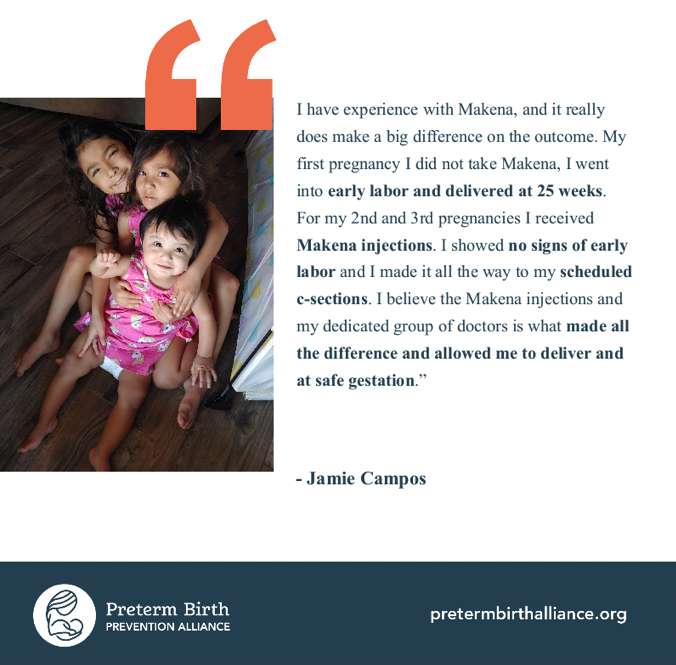
Hello and thank you for the opportunity to speak today. My name is Milena Berhane, and I am a Health Policy Associate at the National Consumers League. I am here representing The Preterm Birth Prevention Alliance, a coalition of 15 maternal and women’s health advocacy organizations that came together in 2021 with a shared concern about the state of preterm birth in the U.S. and what the proposed withdrawal of Makena and its generics could mean for women at risk.

Collectively, the Alliance seeks to improve preterm birth outcomes in the U.S. by maintaining access to safe, FDA-approved treatments and advocating for more diverse medical research that adequately represents the experiences of newborns and women of color.

Since convening as an Alliance, our members have included the following pre-existing organizations with their own missions, leadership and voices coming together to speak with one voice on this issue. These groups include:

  1. 1,000 Days
  2. 2020Mom
  3. The American Association of Birth Centers
  4. Black Women’s Health Imperative
  5. Black Mama’s Matter Alliance
  6. Expecting Health
  7. Healthy Mothers, Healthy Babies
  8. Healthy Women
  9. Miracle Babies
  10. The National Birth Equity Collaborative
  11. The National Black Midwives Alliance
  12. The National Consumers League
  13. The National Partnership for Women and Families
  14. Sidelines and
  15. SisterReach

Over the next few minutes, I will speak to why we believe it is unnecessary and potentially detrimental to cut off access to this entire class of drugs. And I will address how removing 17P and its generics will not affect all women equally.

For full transparency, the panel should be aware that COVIS Pharma – the sponsors of Makena – are one of more than 100 funders who support the work of the National Consumers League. The company has provided some initial funding to support the Alliance but is not involved in the strategic direction of the Alliance or its activities. And—like all of NCL’s funders—does not hold sway over our positions or efforts.

As I’m sure you know and will hear from many others, women of color have substantially higher rates of preterm birth than their white counterparts. According to the March of Dimes 2021 Report Card, while the U.S. preterm birth rate declined a fraction of a percent in recent years—from 10.2 percent in 2019 to 10.1 percent in 2020—rates of preterm birth increased for Black and American Indian/Alaska Native women, who continue to be up to 60 percent MORE likely to give birth preterm compared to White women.

We at the Alliance believe that the removal of Makena and its generics would exacerbate these inequities and contribute to the already stark divide in maternal and infant health outcomes between Black, Indigenous, and other women of color and their white counterparts.

For more than a decade, maternal-fetal medicine specialists have safely used 17P and its generics to help women with recurrent preterm birth carry their babies closer to term, improving the chances of a healthy birth and reducing the risk of long-term health issues for the infant. Taking it off of the market would mean cutting off access to the only safe and effective drug for this indication, which would leave pregnant women and their providers without an affordable approved alternative.

The Alliance believes the FDA should allow for additional studies to learn which populations 17P is MOST effective in treating. And we believe this can and should happen while maintaining access to 17P for women at high risk of adverse outcomes. Based on available evidence, maternal healthcare providers and their patients should have the opportunity to decide together whether 17P would be beneficial to them in their pregnancy. 

I want to pause on this point of available evidence. All of the clinical trial and real-world evidence to date points to Makena and its generics being safe for women who have had a previous preterm birth. This makes keeping 17P on the market a question of efficacy, not safety. So why aren’t we doing everything possible to understand which populations 17P is most effective in treating before taking it off the market entirely?

Given the discrepancy in efficacy data between the original and confirmatory trials, it seems a logical next step would be to conduct additional efficacy studies in the population known to be at highest risk for recurrent preterm birth, which in the U.S., is Black and indigenous women.

Yet, the proposal to withdraw approval was based not on the original trial – MEIS (“Mees”) – which included nearly 60% African American and other women of color in the United States and found that 17P substantially reduced the rate of recurrent preterm delivery among women at high risk for preterm birth. Instead, the proposal to withdraw seems to be based on the results of the confirmatory trial – PROLONG – which was conducted primarily outside of the U.S. among mostly white European women, and which found Makena to not have the same level of efficacy as in the MEIS trial.

These trials studied two vastly different patient populations, one inclusive of women in the U.S. most vulnerable to preterm birth and one not. So the fact that they had different outcomes is not surprising. What doesn’t make sense is why the outcomes among white European women should carry more weight in decision-making than the outcomes among women of color in the U.S.

The Preterm Birth Prevention Alliance believes that evidence of efficacy for women of color in the U.S should be more determinative than a lack of demonstrated efficacy on white women in Europe.

In 2021, a meta-analysis study called EPPPIC (“eh-pick”), published in the Lancet, pooled data from thirty-one randomized trials in asymptomatic women at risk of preterm birth.  It concluded that both 17P injections and vaginal progesterone reduced the risk of preterm birth before 34 weeks in high-risk women with singleton pregnancies. It also noted that shared decision making with women that have high-risk singleton pregnancies, should discuss an individual’s potential risks and benefits. However, despite this reinforcing conclusion about the efficacy of 17P, the agency made no change to its recommendation to remove.

To achieve birth equity and protect the physical, financial, and emotional wellbeing of mothers and infants, we cannot study pregnant women as a monolith.  Instead, we must gain a better understanding of who can benefit most from treatments like 17P, through more diverse studies that include adequate representation from the women in this country who we know are most affected and are at the highest risk.

We believe that this research must explore the causes of disparate outcomes and risk of eliminating approved treatment options before a decision is made. And we believe that while these additional studies are conducted, 17P should absolutely remain available to patients and providers.

This last point is truly critical from the Alliance’s perspective. Considering the proven, life-impacting outcomes from the first clinical trial, years of anecdotal clinical data, and follow-up studies like EPPPIC, we believe that maintaining patient access to 17P while additional studies are conducted is KEY. The Alliance is fighting for a more inclusive healthcare system that gives every pregnant person an equal chance at having the best birth outcomes possible.

We do not believe that removing 17P from the market without understanding who could benefit the most from its use is in the best interests of patients or healthcare providers, especially without any other approved treatment options available. 

Women of color need a seat at the table.

Thank you.

###

About the National Consumers League (NCL)

The National Consumers League, founded in 1899, is America’s pioneer consumer organization. Our mission is to protect and promote social and economic justice for consumers and workers in the United States and abroad. For more information, visit https://nclnet.org.


NCL testifies at The Food and Drug Administration (FDA) hearing on the Center for Drug Evaluation and Research’s (CDER’s) proposal to withdraw approval of Makena

October 17, 2022

Media contact: National Consumers League – Katie Brown, katie@nclnet.org, (202) 207-2832

Washington D.C.— Today, NCL Executive Director Sally Greenberg testified at The Food and Drug Administration (FDA) hearing on the Center for Drug Evaluation and Research’s (CDER’s) proposal to withdraw approval of Makena or 17P. Sally’s full testimony can be found below.

Hello and thank you for the opportunity to speak today. My name is Sally Greenberg, and I am the Executive Director of the National Consumers League, the nation’s oldest consumer advocacy organization. For 123 years, it has been our mission to protect and promote social and economic justice for consumers and to provide the consumer’s perspective on safe and effective medicines and patient-centered health care.

We are deeply concerned about CDER’s recommendation to withdraw all forms of 17P.

We have shared our concerns with the FDA many times over, dating back to our first letter in June of 2020, which urged the agency to protect patient access to this critical therapy for preterm birth. The sentiments outlined in that letter—which was co-signed by more than a dozen maternal and infant health advocates, many of whom you will hear from today—have been reiterated in a series of subsequent letters, statements, and requests for meetings.

And long before that, the National Consumers League spent years advocating for increased regulation and oversight of medication compounding – an issue central to the question of why pregnant women deserve to maintain access to approved 17P, the only class of FDA drugs indicated to prevent a recurrent spontaneous preterm birth.

I appreciate having the time today to share thoughts on behalf of the National Consumers League to share our ongoing concerns and want to start by addressing some of the distortions and half-truths that have been floating around in the public dialogue about 17P over the past few years. I am not a scientist or a doctor, but I take our organization’s mission and ethos, which is rooted in safe products for consumers, and my responsibility as a consumer advocate very seriously. I have talked with numerous scientific, medical, and regulatory experts about this to separate fact from fiction. It is unfortunate that there has to be misinformation about such a serious subject, but that does appear to be the case.

I think you will hear from certain stakeholders that:

Makena should never have been approved. But the truth is that we aren’t here to debate the past. This class of products has been on the market for 10 years, and there is both safety and efficacy data to support that. To state it very simply: We are here today because of new, conflicting efficacy data – but that doesn’t render the original evidence null and void.

You may hear that there is no confirmed clinical benefit to 17P. This is not supported by the existing body of literature or the experiences of hundreds of thousands of American women. The primary basis for FDA approval of Makena was a randomized controlled trial conducted through an NIH network, in the highest risk preterm birth centers in the United States.  The one-third reduction in recurrent preterm birth was described in the New England Journal of Medicine in YEAR. Makena is one of the most well-studied medications given in pregnancy, with data from more than 2,000 women who participated in placebo-controlled trials, and more than 300,000 women treated to date. Every day doctors prescribe 17P for their patients because they have seen evidence of its effectiveness.

You may hear that the benefits of Makena don’t outweigh the risks. This implies that there are safety issues with the therapy. But the published evidence from both clinical trials and ongoing safety surveillance data does not bear this out. We know the FDA can act when there are safety issues. If such issues existed, I find it hard to believe that the FDA – which is one of most stringent and respected regulatory bodies in the world – would have waited three years to act.

You may hear that there are other options that could replace 17P as the standard of care. This is simply not true. With very few medications specifically approved to be given in pregnancy – and no others beyond Makena for recurrent, spontaneous preterm birth – the American College of Obstetricians and Gynecologists and the Society for Maternal-Fetal Medicine continue to support their members’ expertise in determining if Makena is appropriate for their patients. Yet, the regulatory uncertainty relating to 17P has created what must be an unprecedented situation where some providers are putting their patients on vaginal progesterone, which was previously denied approval for this indication, and is often prescribed in compounded form and would therefore likely not be covered by insurance. I cannot imagine the FDA intended to put healthcare providers and pregnant people in this kind of position when there continues to be a safe, approved standard of care for pregnant women at risk of having preterm birth when the issue at hand is inconclusive data on the effectiveness of two trials. But that is the situation before us.

You may also hear about the precautionary principle of public health as a reason to remove all forms of 17P from the market. Again, this is a diversion that seeks to focus this hearing on implied, non-existent safety issues, rather than on the effectiveness and how it can best be determined for which women this therapy is most effective. I would think the precautionary principle of public health could be much more logically applied to the use of vaginal progesterone for recurrent spontaneous preterm birth, since it was denied approval for this indication but is increasingly being used off-label, in compounded form and therefore not covered by insurance, yet because of the uncertainty being created about 17P because of the current regulatory situation, it is essentially being treated as an approved, equivalent therapy.

 You may hear that the company that manufacturers Makena put those who speak in support of continued access to 17P up to defending the product. No one asked me to do this. After the National Consumers League was chartered in 1899 one of our founders, Florence Kelley, who was a champion for equal rights and consumer protections, led the campaign for enactment of of the first federal health care bill, more commonly known as the Sheppard-Towner Act of 1921, which allocated federal funds to combat elevated mortality rates among mothers and newborns. The money went to state programs for mothers and babies, particularly prenatal and newborn care facilities in rural states. For decades, NCL has worked on our own and in collaboration with other advocates to ensure access to safe therapies. I believe that removing access to 17P – a safe therapy, which has been shown to be effective in its first clinical trial and for hundreds of thousands of women since coming to market – while it is determined for whom the therapy is most effective, would be a dramatic step along a path that seeks to limit access to women’s health care. Every step along that path can lead to negative consequences for the women and families who are affected.

That is why I am here today.  As both a mother, and the leader of an organization that cares greatly about the safety and welfare of consumers and patients.

Personal and shared distress over a decision that could impact the long-term health of hundreds of thousands of women and babies led NCL to spearhead the Preterm Birth Prevention Alliance, a group of 15 advocacy organizations that share a common concern about the state of preterm birth in the United States and the proposed market withdrawal of 17P. My colleague Milena Berhane, who leads the Alliance, will talk on behalf of that coalition at another time during this hearing.

I want to state plainly and for the record that while this is an unprecedented situation, the National Consumers League believes the FDA can create a win-win path that leads to BOTH new data on 17P and protected access for pregnant people.

I also want to break down some specific concerns and thoughts that led to and guide the National Consumer’s League’s commitment to this issue:

Number 1: The risks of leaving women without a safe and affordable alternative. But there are real risks to removing the only approved, safe option for women for this indication and so talked with healthcare providers who care for at-risk pregnant women to understand the risks involved in removing access to 17P. If all versions of Makena were to be removed, all that would be available to pregnant women for recurrent spontaneous preterm birth would be unapproved therapy that is often provided in compounded form.

Compounding has a role in our healthcare system, but creating a situation where more pregnant women with a history of preterm birth are given compounding drugs is an unwise course of action. Even before this issue, NCL led an advocacy effort to promote passage of federal legislation to strengthen laws relating to compounding of medications. We know that if done improperly, the process of compounding can pose significant safety risks.

There has been progress since the 2012 series of medical errors that resulted in the contamination of compounded medicines, which in turn caused a deadly fungal meningitis outbreak in the U.S. — killing more than 70 people and causing more than 750 cases of infection in 20 states. And we know there have been recalls of compounded 17P since the Drug Quality and Security Act (DQSA) of 2013. However, the FDA does not interact with a vast majority of compounders and is often not aware of problems until after the report of an adverse event or contamination.

We strongly urge that all current options remain on the table while additional studies are conducted.

Number 2: The need for more diverse efficacy research on 17P At issue here is the fact that the original clinical trial and subsequent confirmatory trial – upon which the recommendation to remove was based – were essentially comparing apples to oranges. The majority of participants in the first clinical trial (Meis) were African American and other women of color in the United States. This trial demonstrated that 17P substantially reduced the rate of recurrent preterm delivery among women who were at particularly high risk for preterm birth.

The participants in a subsequent confirmatory trial (PROLONG), which was conducted primarily outside of the U.S. after 17P was approved, were predominantly white and Eastern European. While PROLONG reaffirmed the safety of 17P, it did not confirm the same benefit in white European women that it did for women of color in the U.S. But this is not the population at highest risk of preterm birth, either in the U.S. or abroad.

Even after a meta-analysis that pooled data from 31 trials concluded that both 17P injections and vaginal progesterone reduced the risk of preterm birth before 34 weeks in high-risk women with singleton pregnancies, CDER persisted in its recommendation to remove.

Given that there is conflicting efficacy data between the original approval trial and a second confirmatory trial, we are advocating to maintain patient access to a class of treatments while allowing for additional research that reflects the experiences of women in the U.S.

Women most affected by preterm birth are also historically underrepresented in clinical trials. We believe it is critical that more diverse efficacy research be gathered and combined with the extensive amount of real-world evidence on 17P that exists today.

Number 3: The state of preterm birth in the U.S. As other stakeholders have and undoubtedly will testify during this hearing, the state of maternal health and preterm birth in the U.S. is incredibly concerning and many unanswered questions remain relating to it, especially for women of color.

For far too long, U.S. maternal health care has lagged behind that of other developed countries, and maternal health care in the U.S. has consistently failed women of color.

Pregnancy should be one of the most special and exciting times in a woman’s life, with preparation and celebrations to welcome a new addition to the family. I know it was for me. Unfortunately, for about 1 in 10 women in America, their anticipation may be cut short because of an unexpected preterm delivery. Black families, as Black women have a 50% increased risk of delivery before 37 weeks of their pregnancy.

America’s preterm birth crisis led the NAACP to recently spearhead a letter to the FDA, that was also signed by the National Health Law Program, the Prevention Institute and the National Partnership for Women & Families, and stated, and I quote:

The undersigned organizations believe that the confirmed evidence of this treatment for Black women in this country is determinative, and that any disruption of access would be detrimental…As the FDA considers a path forward, we collectively urge the agency to carefully consider all available mechanisms to maintain equitable access to approved 17P while additional evidence can be developed that more accurately reflects underrepresented racial and ethnic patient populations in the U.S.

Preterm birth can have a lasting a physical, mental, emotional, and financial tolls on affected babies and families. Given the dire state of preterm birth in the U.S. and the often-devastating impact of preterm birth on pregnant people and their families, the National Consumers League believes that the decision to utilize 17P in all its forms, branded and generic, should be one left to women and their health care providers. The fact that leading medical societies continue to recognize the role of individual providers and their patients when making treatment decisions about 17P, despite the ongoing regulatory situation, is compelling.

In closing, the company that manufactures the branded version of 17P has publicly said they are willing to do more research – why would we leave that option off the table when clearly there is conflicting efficacy data that needs to be resolved? To remove the only approved and safe therapeutic option to help reduce the likelihood of another spontaneous preterm birth, with the knowledge that the population that most benefits from 17P are women of color –  is not in line with consumer interest.

There is a win-win path here that could lead to both new data and protected access. To the Committee, I urge you to keep this, and the consumer perspective, in mind when making your recommendation to the agency.

Thank you.

###

About the National Consumers League (NCL)

The National Consumers League, founded in 1899, is America’s pioneer consumer organization. Our mission is to protect and promote social and economic justice for consumers and workers in the United States and abroad. For more information, visit https://nclnet.org.

NCL and 36 leading patient organizations urge Congress to protect seniors’ access to critical laboratory tests

September 21, 2022

Media contact: National Consumers League – Katie Brown, katie@nclnet.org, (202) 207-2832

Washington, D.C.— The National Consumers League (NCL) today sent a letter signed by 37 leading advocacy organizations, including groups that represent patients with common and chronic conditions who depend on laboratory testing to diagnose and manage their health, urging Senate and House leaders to protect access to clinical laboratory services by enacting the Saving Access to Laboratory Services Act (SALSA / S. 4449 / H.R. 8188) this year.

“Without urgent congressional action, ongoing Medicare reimbursement cuts could jeopardize access to many clinical laboratory tests used to diagnose, monitor, prevent, and manage diseases for more than 50 million Americans,” said Sally Greenberg, NCL Executive Director. “It is essential that Congress act this year to permanently fix this problem.”

Highlights from the letter are included below:

  • “Without congressional action, Medicare reimbursement cuts – a fourth round scheduled to begin January 1, 2023 – could jeopardize access to many clinical laboratory tests that are used to diagnose, monitor, prevent, and manage common diseases for more than 50 million seniors.”
  • “Clinical diagnostic tests play a critical role in health care and inform 70 percent of medical decisions. For example, in 2020 more than 17 million hemoglobin A1C tests to assess the risk of developing diabetes, 28 million tests to diagnose and monitor heart disease, and 90,000 tests to diagnose leukemia and hereditary breast and colon cancer were provided to Medicare beneficiaries to support their care.”
  • “Between 2017 and 2022, payment for common tests for diseases like diabetes, cancer, and heart disease were cut by 27 percent. The next round of Medicare cuts would slash reimbursement up to another 15 percent for more than 800 laboratory tests, resulting in a staggering 38 percent cut to tests that are widely used to screen and manage many serious diseases. It is essential that Congress protect patients by acting this year to fix the Medicare payment model for clinical diagnostic tests.”
  • “Because of the serious implications for patients who rely on routine as well as advanced diagnostic laboratory services, Congress has acted three times to delay these cuts in recent years, but permanent reform is needed now. Fortunately, the Saving Access to Laboratory Services Actwould update Medicare’s payment system, which would help protect access to clinical laboratory testing, support investment in innovation, and strengthen America’s clinical laboratory infrastructure.”

Groups signing the letter include:

  • A Breath of Hope Lung Foundation
  • Alliance for Aging Research
  • Alpha-1 Foundation
  • American Sexual Health Association
  • AnCan Foundation
  • California Life Sciences
  • California Society of Pathologists
  • Cancer Support Community
  • CancerCare
  • Caregiver Action Network
  • Caregiver Voices United
  • Crohn’s & Colitis Foundation
  • Chronic Disease Coalition
  • Community Liver Alliance
  • Down Syndrome Association Of Orange County
  • FORCE: Facing Our Risk of Cancer Empowered
  • Global Liver Institute
  • GO2 Foundation for Lung Cancer
  • HealthCare Institute of New Jersey (HINJ)
  • Healthcare Leadership Council
  • Heart Valve Voice US
  • HIV + Hepatitis Policy Institute
  • International Foundation for AiArthritis
  • LUNGevity
  • Lupus and Allied Diseases Association, Inc.
  • Lupus Foundation of America
  • Men’s Health Network
  • Minority Health Institute
  • National Consumers League
  • New Jersey Association of Mental Health and Addiction Agencies
  • Ovarian Cancer Research Alliance
  • Patient Empowerment Network
  • RetireSafe
  • The Kidney Foundation of Central PA
  • The National Grange
  • Triage Cancer
  • ZERO – The End of Prostate Cancer


To view the full letter, click here.


###

About the National Consumers League (NCL) 

The National Consumers League, founded in 1899, is America’s pioneer consumer organization. Our mission is to protect and promote social and economic justice for consumers and workers in the United States and abroad. For more information, visit www.nclnet.org.

Legislation is needed to close the environmental health gaps in the Polluters Pay Principle

By Eric Feigen, NCL Health Policy Intern

Today, more than 40% of Americans live in communities with unhealthy levels of air pollution and every year, millions of deaths and chronic illnesses have been found to be directly caused by various pollutant types. This represents the human cost inherent in environmental degradation. Despite this, policy-makers and regulatory agencies continue to ignore public health consequences when crafting legislation designed to address environmental issues nationwide.

The current approach towards addressing both climate change and environmental damage is rooted in the Polluters Pay Principle (PPP). This commonly accepted practice dictates that those who pollute are responsible for not only abatement costs, but also compensating those adversely affected by their actions. From the Clean Air Act to the more recent Inflation Reduction Act, PPP is the fundamental framework for the majority of environmental legislation in the U.S.

The core mechanism used in PPP is cost-benefit-analysis. Due to the fact that polluters receive a benefit from polluting, in the form of profits, they must correspondingly compensate individuals for the negative externality their pollution creates. For example, paying for a water treatment plant in order to ensure a safe water supply for a community.

One of the most significant externalities of pollution is long-term health conditions. High levels of particle air pollutants are linked to a variety of health issues including asthma, cancer, infant mortality, and premature death. However, as previously mentioned, while 40% of Americans live in places with failing grades in air quality, not all of these individuals have asthma. This illustrates the uncertainty inherent in including the costs to humans’ health in the PPP’s cost benefit analysis. Using this logic, Michigan v. EPA set the precedent for omitting the negative impact polluters have on health from PPP-based calculations.

The Public Health Air Quality Act is one solution to the uncertainty dilemma surrounding pollutants and chronic health conditions. This is because the Act sets thresholds for pollutant levels at the point where the pollutant becomes harmful to human health. In essence, while previous legislation has made polluters pay for the right to pollute, the standards in this legislation will prohibit contamination after the air quality reaches a dangerous level. Furthermore, the Act will also mandate new air pollution monitoring programs and allow the EPA to follow the “precautionary principle”, which errors on the side of safety when determining what levels of pollution may be harmful to humans.

Another arena where PPP must be supplemented is equity. While designed to reduce environmental damage nationwide, PPP fails to address how pollution disproportionately harms Black and Brown communities. An example of this is exposure to PM 2.5, an air pollutant responsible for upwards of 85,000 deaths a year. A recent study highlights that while the Clean Air Act has led to a nationwide decrease PM 2.5 related health conditions, the number of deaths this pollutant causes in communities of color has remained constant.

Climate change and environmental degradation are just as much a public health issue as they are an environmental one. Policy-makers have the obligation to create legislation to supplement PPP policies to mitigate the harm polluters inflict on public health and ensure an equitable approach to environmental regulation and cleanup.