
Maine Strengthens Consumer Protections Against Predatory Medical Debt National Consumers League Applauds Governor Janet Mills and the Maine Legislature
Media Contact: Lisa McDonald, Vice President of Communications, 202-207-2829
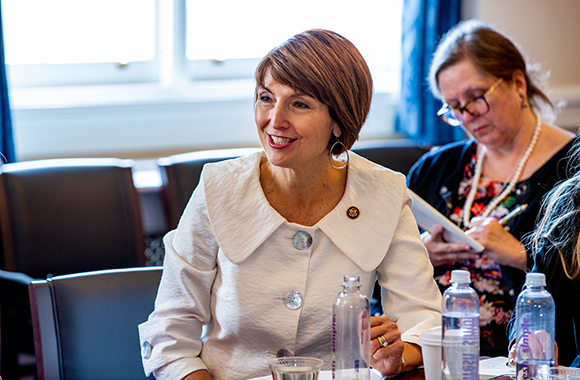
Washington, DC — The National Consumers League applauds Governor Janet Mills and the Maine legislature for their notable legislation to stem the destructive effects of medical debt collection practices.
“Governor Janet Mills’ action sends a clear and unequivocal message: no patient should be financially punished for getting sick. By prohibiting liens and wage garnishment for medical debt, Maine has established a critical safeguard for working families. But this must be a starting point—not the finish line. We need comprehensive reforms that prevent medical debt before it begins, including stronger charity care policies, greater transparency, and real accountability from the institutions entrusted with patient care,” said Lisa Bercu, J.D., Senior Director of Health Policy, National Consumers League.
At a time when medical debt continues to drive millions of Americans into financial distress, Maine’s decisive action represents a meaningful and necessary advancement in patient protection. By banning some of the most harmful debt collection practices—specifically property liens and wage garnishment—the state has drawn a firm and principled line: access to healthcare should never come at the cost of losing one’s home or livelihood.
For too long, patients—particularly those confronting serious illnesses such as cancer—have been forced to navigate not only complex medical treatments, but also the looming threat of financial devastation. Research from the National Consumers League shows that aggressive medical debt collection practices remain widespread, even among institutions that benefit from the 340B program, which is intended to support vulnerable populations.
While Maine’s leadership is commendable, it also highlights the urgent need for broader, systemic reform. Safeguards against the most egregious collection tactics are essential—but insufficient on their own. Policymakers nationwide must take proactive steps to prevent medical debt from arising in the first place. This includes strengthening hospital financial assistance programs, ensuring patients are clearly informed of available aid, and holding healthcare providers accountable for using resources—such as 340B program savings—to directly benefit patients rather than funnel them into collections.
“Maine’s legislation contributes to the broader conversation of having patient rights grounded in compassion and common sense. Now, we call upon leaders across the country to follow suit and create a healthcare system where financial hardship is no longer an inevitable consequence of receiving medical care,” said Bercu.
###
About the National Consumers League (NCL)
The National Consumers League, founded in 1899, is America’s pioneer consumer organization. Our mission is to protect and promote social and economic justice for consumers and workers in the United States and abroad. For more information, visit www.nclnet.org.