Consumerist.com Honored With Consumer Education Leadership Award – National Consumers League

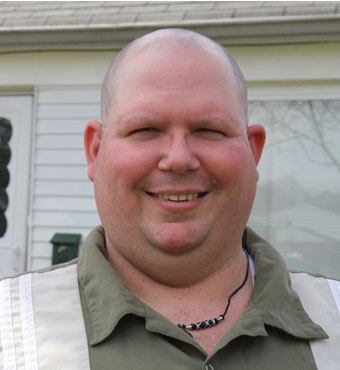
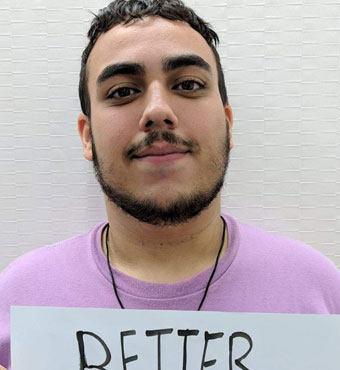
Consumerist.com's Ben Popken and Meghann Marco, recipients of this year's Parker Award.

By John Breyault, Vice President of Public Policy, Telecommunications and Fraud

Last Thursday, NCL Executive Director Sally Greenberg and I traveled to the Riverside Church in New York City for the 27th Annual Everett C. Parker Ethics in Telecommunications Lecture and Reception.  The event, organized by the Office of Communication of the United Church of Christ, Inc. in collaboration with the Telecommunications Research and Action Center (TRAC), which is now part of NCL, honors those individuals and organizations that have promoted the public interest in telecommunications and broadcasting.

We were excited this year to honor Ben Popken and Meghann Marco, the co-executive editors of Consumerist.com, the Internet’s preeminent consumer blog.  Consumerist, now owned by Consumers Union, is one of the top 25 blogs on the Internet, and its 375,000 daily visitors outnumber the daily circulation of the Denver Post, Newsday, and the Boston Globe.

Sally Greenberg’s remarks put the impact of the Consumerist best when she said:

“The Consumer Education Leadership Award, was created out of the belief that media advocacy and an informed and educated public go hand in hand. … Consumerist has been a catalyst for pro-consumer changes.  Ben Popken and Meghann Marco” represent the ever evolving nature of consumer journalism.  Through their contributions as Co-Executive Editors at The Consumerist blog, they have given consumers a powerful new voice.  We honor Ben and Meghann for helping consumers tilt the balance of power in the marketplace back in their favor.”

Ben and Meghann summed up what Consumerist has meant to the wider world of consumer journalism in their remarks:

“We see Consumerist’s role as bringing the awesome power of the internet to bear on important consumer issues of the day and expose them to the spotlight of the over 2 million people who read us each month. We seek to create awareness, by unorthodox means if necessary.”

“The playing field is leveling. Consumers are forcing transparency on companies simply by connecting with each other. When consumers can easily compare notes, patterns emerge, which can then be acted on. These conversations are the first steps towards real change. In our 25 new stories each day, it is our privilege to try to help facilitate these discussions.”

The nation faces a critical moment. Consumers are strapped and seeking solutions. Desperate times invent desperate measures. In this environment, scams can take out super bowl ads and hide behind the skirt of their fine print, simply because they have the cash to burn.”

To view a complete video of Ben and Meghann’s acceptance speech, click here.

We were also excited that long-time NCL Board Member and TRAC Founder Sam Simon received the Donald C. McGannon Award at the Parker event.  The McGannon Award recognizes those who have played a significant role in advancing the role of minorities in the communications and broadcasting industries.

Making Sense of Food Scares – National Consumers League

By Courtney Brein, NCL Food Safety and Nutrition Fellow

While the recent outbreaks of foodborne illness from contaminated peanuts, cookie dough, and spinach have increased concern about the failings of the food safety system in the United States, two high-profile news articles published this week have shed light on the extent of the problem, calling into question the safety of a much broader range of foods that Americans routinely purchase and consume.

The New York Times exposé of the flaws in the beef inspection system published this past Sunday highlights the problematic nature of USDA’s responsibility to both the industry’s interests and the public’s health. Due to resistance from the meat industry, the agency does not require meat processors to test the trimmings that they receive from suppliers and use to manufacture ground beef. While a few big ground beef producers, such as Costco, test their meat for E. coli before grinding it, most do not, testing only the final product. This practice both decreases the likelihood of detection and increases the difficulty of finding the source of contamination should an outbreak occur, due to the industry practice of combining meat from multiple sources in the creation of ground beef. While most individuals who consume ground beef do so without ever becoming ill, for those unlucky enough to eat a hamburger tainted with E. coli, the experience can be deadly.

Following on the heels of the Times article, the Center for Science in the Public Interest released a report on Tuesday that names the 10 riskiest foods regulated by the FDA. This group contains healthy products most Americans eat on a regular basis, such as eggs, tuna, potatoes, cheese, berries, and leafy greens. Combined, these items have caused tens of thousands of reported cases of illness, in addition to many of the countless cases that go unreported each year.

These articles reveal very real problems with the food safety system in the United States.

So, what is the consumer to do?

It is imperative that consumers push for more comprehensive USDA testing requirements and contact their senators to urge them to vote for improved FDA oversight of the food safety system. The National Consumers League, as a member of the Make Our Food Safe Coalition, has joined other consumer groups, public health organizations, and victims’ groups in calling for the passage of legislation reforming the FDA side of the food safety system by the end of this year – a message we brought to senators and their staff members yesterday, during our Food Safety Action Day.

In the meantime, however, consumers should take measures to improve food safety in their homes. The following practices can help individuals to protect themselves and their families from foodborne illness:

  • Instead of buying ground beef, purchase a piece of meat and have your local butcher or grocery store grind it for you
  • Wash hands thoroughly with soap and water before preparing or consuming food
  • Use a meat thermometer, and ensure that meat is cooked to the following temperatures:
  • Ground Beef: 160°F. Many people assume that when a hamburger turns brown in the middle, it is done, but this is not the case. 1 out of every 4 hamburgers turns brown before reaching an internal temperature of 160°F. Always use a meat thermometer!
  • Steaks and Roasts: 145°F
  • Fish: 145°F
  • Pork: 160°F
  • Egg Dishes: 160°F
  • Chicken Breasts: 165°F
  • Whole Poultry: 165°F
  • Avoid cross-contamination between cooked and raw food in the refrigerator:
  • Store food in clean, non-toxic, washable containers
  • Properly cover all food
  • Keep raw foods separate from ready-to-eat foods
  • Follow other smart kitchen practices:
  • After preparing raw foods for cooking, thoroughly wash hands, utensils, cutting boards, countertops, and any other equipment you have used
  • Sanitize cutting boards with a solution of two teaspoons bleach per quart of water
  • Equipment used to prepare raw foods that will not be cooked should be washing thoroughly both before and after use
  • Keep hot food hot and cold food cold; do not consume any foods that have been sitting at room temperature for more than two hours
  • If you have any doubts about raw foods, such as fruits and vegetables, boil them, cook them, peel them, or choose not to eat them

Trumpeter Awards a Success – National Consumers League

Last week’s Trumpeter Awards Dinner and Reception, where NCL honored CBS News’ Steve Kroft and Secretary of Labor Hilda Solis with its highest honor, was a great success. Pictured here, from left to right, are Kroft, NCL’s Executive Director Sally Greenberg, and Solis. Stay tuned for more about the dinner!

NCL Honoring Kroft, Solis with Trumpeter Award – National Consumers League

Tonight the National Consumers League will honor Steve Kroft, Co-Editor and Correspondent, 60 Minutes and United States Secretary of Labor Hilda Solis with its highest honor, the Trumpeter Award, on Capitol Hill. Each year, NCL’s Trumpeter Awards Dinner and Reception brings together a diverse group of representatives of labor unions, advocates, legislators, organizations, to celebrate the achievements of consumer and worker advocates.

NCL’s first ever Trumpeter recipient was Senator Edward Kennedy, in 1973. Since then, NCL has recognized leaders who are not afraid to speak out for social justice and for the rights of consumers and workers with the Trumpeter. *Other past recipients include Connecticut Attorney General Richard Blumenthal, author Barbara Ehrenreich, former NCL President Linda Golodner, Senator Paul Wellstone, Surgeon General Dr. David Satcher, and other esteemed consumer and worker advocates.

In his decades of investigative journalism, *Steve Kroft has earned a reputation — and numerous Emmy and Peabody awards — for groundbreaking reporting on an array of pressing issues ranging from credit default swaps to nuclear safety. His forceful reporting, which has attracted worldwide attention and resulted in real changes for consumers, includes profiles of a Madoff whistleblower and a teenage stock manipulator, as well as an undercover investigation on the rolling back of odometers by car wholesalers, which triggered a federal grand jury investigation and five convictions.

*Hilda L. Solis was confirmed as Secretary of Labor in February, after representing the 32nd Congressional District in California for eight years. The daughter of a battery recycling plant worker and Teamsters Union organizer in the San Gabriel Valley, as a young child she walked in picket lines with workers seeking improved health care. Throughout her career, Solis has advocated for low-wage workers, women, immigrants’ rights, better access to health care, a livable minimum wage, and strong support for the right to organize.

NCL will also honor *Lynn Jimenez, of San Francisco’s KGO Radio, with its Florence Kelley Consumer Leadership Award, named for NCL’s first general secretary. Jimenez is a journalist dedicated to consumer and small business education. Author of a bilingual consumer education book, ¿Se Habla Dinero? The Everyday Guide to Financial Success, and host of “Your Money,” Jimenez has served the Bay Area since 1990. Before joining KGO, Jimenez helped create the first California statewide Hispanic AIDS Education Telenovela and telephone hotline. She has been honored with numerous awards, including the Associated Press Bill Stout Memorial Award for Enterprise Reporting and the Northern California Radio and Television News Directors’ Association award for a series on privacy.


*Links are no longer active as the original sources have removed the content, sometimes due to federal website changes or restructurings.
Preventive Care – A Luxury We Should All Be Afforded – National Consumers League

by Mimi Johnson, NCL Health Policy Associate

Taking center stage in Washington, DC and across the country these days is health reform, which presents an opportunity to afford all Americans access to preventive services. With its largest supporter now absent, Senator Kennedy’s legacy as a champion for a healthier America will be felt as discussions ensue. Senator Kennedy, and the HELP Committee he led for so many years, produced the first health reform bill earlier this summer, packed with expanded preventive services and opportunities for health promotion – including resources for public-private partnerships to help educate consumers about health and safety issues.

Senator Kennedy felt all Americans had a right to health care. He increased access to care by creating and improving such important programs as Medicare and Medicaid, and the Americans with Disabilities Act. Kennedy advocated that everyone have the opportunity to use the same government insurance he was afforded as a Member of Congress.

While I do not have access to the same insurance Senator Kennedy had, I am fortunate enough to have coverage. In fact, I recently had the luxury of visiting my primary care physician, something millions of Americans go without year after year. Because I am afforded the opportunity for an annual well-visit, I see it as my duty to go. I am, however, in the minority. A study by the University of Pittsburgh and RAND found that only 1/5th of the US population receive an annual preventive health exam.

The importance of primary care and prevention to our overall health, and the sustainability of our health care system, is too great to put a price tag on. In fact, just look back at our recent post about the free medical clinic in LA; the long lines show that people recognize the need to check-in and get a check-up. It is very important that we not only have access to a check-up, but that we all have the ability to check-in with a health care professional who can talk with us about our life – ranging from our diet and exercise, to stress, and the medications we are on or allergies we have.

If you are lucky enough to have insurance – take advantage of it and schedule your annual check-up and check-in with your health professional.

And thanks to Senator Kennedy for all of his hard work to make this country a healthier place.

Swine Flu 2.0 – Are You Prepared? – National Consumers League

As the new school year is well underway, *the second wave of swine flu (H1N1 virus) has become a major concern for health officials, school administrators, teachers, and parents.  It was at the end of the previous academic year that the flu first struck with vengeance, and caused schools across the country to shut their doors as they tried to quell its spread.

The biggest fear and danger with the H1N1 virus is that it has hit school-aged children the hardest.  So, what can you and your children do to stave off the flu?

Practice Good Hygiene

  • Wash Hands (and send kids with bottles of sanitizer in addition to their other office supplies)
  • Cover Coughs & Sneezes (NOT with your hand, but with a tissue or arm)

Stay Home if Sick

  • Keep kids home if they are sick, ESPECIALLY with a high fever, vomiting, or diarrhea
  • Ensure kids are fever-free for at least 24 hours (WITHOUT medication) before returning to school
  • Do NOT go to the emergency room if you think you or your child has a case of the flu (you are likely to catch it while at the ER); call your doctor or a health hotline

Immunize

  • Get kids immunized against the seasonal flu as soon as the vaccine becomes available this fall
  • Keep your eyes and ears open about the H1N1 vaccination, which is currently being tested

Check with your local health officials and health care professionals should you have any questions or concerns about the H1N1 flu in your community.


*Links are no longer active as the original sources have removed the content, sometimes due to federal website changes or restructurings.
Ticket Sales Merger Under Scrutiny – National Consumers League

Consumers who purchase tickets to concerts, sporting events, and other live entertainment may be interested in what consumer groups fear would result in a monopoly in the industry: a proposed merger between giants Ticketmaster and Live Nation.

Consumer advocates are warning the Department of Justice’s Antitrust Division that a merger between Ticketmaster, which already has a major hold on the market, controlling up to 70 or 80 percent of all concert ticket sales, and Live Nation, a new company that appears to have the potential to become Ticketmaster’s only significant competitor, would be a negative for consumers.

A merger, say advocates from National Consumers League, Consumer Federation of America, and Consumer Action, would leave consumers with few options and vulnerable to hikes in ticket prices, service fees, and the negative consequences of monopolies. To read the groups’ letter to DOJ, click here.

Retirement USA Seeking to Improve System – National Consumers League

By Sally Greenberg, NCL Executive Director

Consumer organizations do so much great work in the financial services area — working against predatory loans, fighting outrageous fees and surcharges on credit cards, demanding truth in lending and transparency in credit scores. But often our attention is focused on the here and now. What about working to ensure that consumers have a secure and adequate retirement?

NCL was invited to a meeting last week with leaders of the *Retirement USA, a group formed by the Economic Policy Institute, the Pension Rights Center, the National Committee to Preserve Social Security and Medicare, and the Service Employees International Union, which holds a seat on the NCL Board. Retirement USA’s goal is to get widespread agreement on a series of principles that move Americans toward a far more sound retirement system than what exists today.

The facts about Americans entering retirement are grim:

  • Only half of full-time private-sector employees participate in a retirement system.  The participation rate drops to 45 percent if part-time employees are included.
  • Only 20 percent of American private-sector workers participate in traditional pension plans that provide guaranteed, lifetime benefits.
  • 30 percent of American private-sector workers rely entirely on 401(k) plans to supplement Social Security.
  • 2/3 of 401(k) plan investments are in stocks, and stocks have lost more than half their value since 2007.
  • Half of all workers with 401(k)-type plans had less than $25,000 in their accounts – before the stock market meltdown – and the median 401(k) balance for workers over the age of 55 was only $40,000.
  • 64 percent of older Americans depend on Social Security for more than half of their income, and one of five receives all of their income from Social Security.
  • Social Security benefits for the average retiree are now $13,863, just barely more than the minimum wage.
  • Half of people age 65 and older receive income of less than $17,382 a year from all sources.

Retirement USA has laid out a series of *important principles that would – if adopted – help to secure adequate retirement for all workers:

  • Universal coverage – every worker should be covered by a retirement plan in addition to Social Security.
  • Secure retirement – retirement shouldn’t be a gamble; workers should be able to count on a steady lifetime stream of retirement income to supplement Social Security.
  • Adequate Income – everyone should have an adequate retirement income after a lifetime of work.
  • Shared responsibility – employers, employees, and the government should share this responsibility.
  • Required contributions – employees and employers should be required to contribute a specified percent of pay; government should subsidize lower income workers.
  • Contributions to the system should be pooled and professionally managed to minimize risk.
  • Payouts should only be permitted before retirement except for permanent disability.
  • Benefits should be paid out over the lifetime of retirees and not given in a lump sum.
  • Benefits should be portable when workers change jobs.
  • Voluntary contributions should be permitted.
  • Efficient and transparent administration of benefits by a government agency or a private nonprofit.
  • There ought to be effective oversight of the new system by a single government regulator dedicated solely to promoting retirement security.

The National Consumers League supports these principles, especially in light of the dire economic reality most American workers face when they retire. The League’s early leaders were strong supporters of Social Security, which is a lifeline to older Americans, but was never intended to be their sole support. Retirement USA has laid out the blueprint for reform. Now it is time for consumer groups, unions. and others to make that blueprint a reality.


*Links are no longer active as the original sources have removed the content, sometimes due to federal website changes or restructurings.

LifeSmarts 16th Season Underway! – National Consumers League

LifeSmarts – the ultimate consumer challenge, has opened its 16th season, and the online competition, which tests teens in the areas of personal finance, consumer rights and responsibilities, health and safety, technology and the environment, officially has officially begun! We have been super busy this summer! LifeSmarts has begun to implement a number of upgrades and additions to the national program, Web site, and national competition.

LifeSmarts.org A major addition to the program and to www.lifesmarts.org is the creation of LifeSmarts University, a virtual classroom that complements that LifeSmarts program. “LifeSmarts U” will be live September 21, and it will include lessons in the Tech Lab as well as five brand new personal finance lessons, found in the Finance Department, that were developed thanks to an unrestricted educational grant from Visa. As a re-branded and more extensive version of the current LifeSmarts Tech Lab, LifeSmarts U will eventually feature lessons from all five LifeSmarts topic areas – so be on the lookout for more lessons to come!

The Program. LifeSmarts has also developed two newsletters, available at www.lifesmarts.org. LifeSmarts Coach’s Notes is a monthly newsletter for LifeSmarts coaches, which includes lesson plans and activities focusing on one LifeSmarts topic area per month. The LifeSmarts Sponsor Update is a bi-monthly newsletter for LifeSmarts sponsors, supporters and general enthusiasts, including monthly program updates and national and state program sponsor features.

We are also now on Facebook and Twitter, and welcome all LifeSmarts participants and enthusiasts to become a part of our online community!

National Competition. New components are planned for the 2010 LifeSmarts National Competition, to be held in Miami Beach, Florida, from April 24-27, at the Miami Beach Resort. New competition formats will allow students to compete more often and in fun, exciting new ways. A few hints about these improvements include: cumulative scores, the ability to challenge answers, and new ways to earn points! We will be keeping you posted throughout the program year as these upgrades are finalized, so make sure to check www.lifesmarts.org and our newsletters for more information. We appreciate everyone who has been involved with LifeSmarts – thanks for making it a part of your school, work, and extracurricular activities. We are looking forward to an exciting new year, and we hope you will join us!

Consumer Groups, Feds, Industry Convene to Discuss National Food Policy – National Consumers League

By Courtney Brein, Linda Golodner Food Safety and Nutrition Fellow

The National Consumers League was pleased to join fellow consumer advocates along with government and food industry representatives at last week’s 32nd annual National Food Policy Conference.  The conference, sponsored by the Consumer Federation of America and the Grocery Manufacturers Association, focused on two key issues of national concern: food safety and child nutrition.  On food safety, the conference proved particularly timely.

Lately, unease about the safety of the food supply in the United States has grown, fueled by outbreaks of food-borne illness linked to contaminated peanut butter and cookie dough.  A *Pew-commissioned bipartisan poll of Iowa voters released during the conference found that approximately half of those polled stated that events of the past year have decreased their confidence in the safety of food sold in this country.  A *Pew-commissioned nationwide poll released at the same time found that concern about the safety of imported foods has increased since 2008; 64 percent of Americans surveyed believe imported foods to be “often or sometimes unsafe,” whereas only 53 percent of likely voters expressed these concerns in 2008.  The poll also found that 89 percent of participants want stronger food safety measures and 91 percent want more frequent inspections of high-risk food processing facilities.

Modernized food safety laws are long overdue.  Many food safety regulations have not been updated since 1906, when President Theodore Roosevelt signed into law the Pure Food and Drug Act and the Meat Inspection Act, legislation that the National Consumers League played a key role in passing.  In July, the House passed the Food Safety Enhancement Act, *H.R. 2749, which would increase the regulatory powers of the FDA, require imported food to meet the same safety standards as food produced in the United States, establish a national food tracing system, and require all food processing facilities to implement food safety plans.  Food safety advocates hope that the Senate version of the bill, which does not include all provisions in the House bill, will come up for consideration this session.

During her keynote speech, FDA Commissioner Margaret Hamburg detailed the FDA’s plans to strengthen its own programs and policies, measures which include appointing a Deputy Commissioner for Foods.  Hamburg also noted a fundamental change in perspective at the FDA: “We are pressing forward with a new agenda: to shift the agency’s emphasis away from mitigating public health harm by removing unsafe products from the market place, to…prevent[ing] harm by keeping unsafe food from entering commerce in the first place.”  The Commissioner announced the *Reportable Food Registry, a new initiative requiring food industry officials to electronically report cases of probable food contamination within 24 hours of discovery.

HHS Secretary Kathleen Sebelius echoed Commissioner Hamburg’s commitment to cross-agency collaboration and noted that new preventive measures will not only save lives but will generate significant cost savings as well.  Secretary Sebelius used her speech before an audience of many consumer advocates to announce the launch of www.foodsafety.gov , a joint initiative of the USDA and HHS that will provide consumers with a one-stop source for information about the latest recalls and outbreaks.

The National Consumers League applauds the collaborative approach embraced by the Obama administration and strongly supports much needed food safety reform.


*Links are no longer active as the original sources have removed the content, sometimes due to federal website changes or restructurings.