
Amazon and other retailers launch program allowing SNAP beneficiaries to order food online
Shaunice Wall is NCL’s Linda Golodner Food Safety and Nutrition Fellow
On April 18, 2018, Amazon and other retailers launched a two-year test (pilot) program to boost food access to some of New York’s 2.7 million Supplemental Nutrition Assistance Program (SNAP) participants. Beneficiaries will be able to use their SNAP benefits to order groceries online and have them delivered directly to their door.
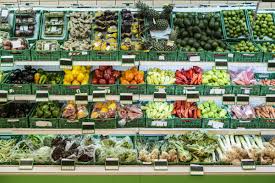 “SNAP is one of the most efficient and important public benefit programs,” said Shaunice Wall, NCL’s Linda Golodner Food Safety and Nutrition Fellow. “SNAP helps reduce food insecurity and improves the nutrition of millions, especially among the most vulnerable Americans. For many Americans living in food deserts, online food retailers are sometimes the only way to stock refrigerators,” NCL supports this collaboration between USDA and Amazon.
“People who receive SNAP benefits should have the opportunity to shop for food the same way more and more Americans shop for food–by ordering and paying for groceries online,” said U.S. Secretary of Agriculture Sonny Perdue. “As technology advances, it is important for SNAP to advance too, so we can ensure the same shopping options are available for both non-SNAP and SNAP recipients.”
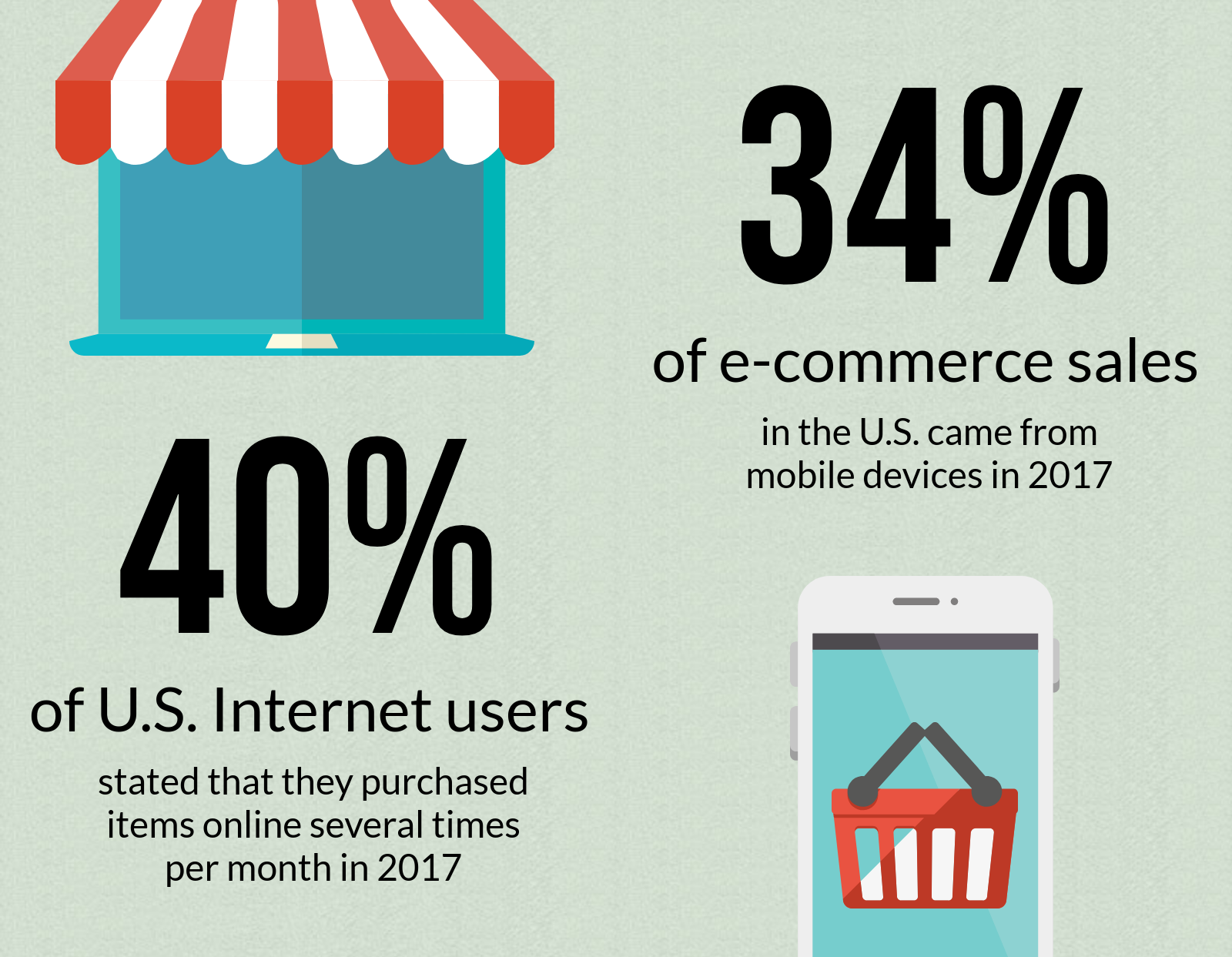
The pilot will test both online ordering and payment. It will also work to ensure that orders are processed safely and securely, according to the United States Department of Agriculture (USDA). SNAP participants will be able to use their benefits to purchase eligible food items, but not pay for service or delivery charges.
The program will also add a new SNAP redemption option, with broad selection, low prices, and the convenience of home delivery without requiring a membership fee. As Amazon expands participating areas throughout the life of the pilot, they believe the program will dramatically increase access to food for customers living in rural and remote locations.
The USDA defines food deserts as communities where one-third of the population lives at least one mile away from a supermarket in an urban area and 10 miles away in a rural area. For SNAP beneficiaries, it is often the simplest – or sometimes the only – option to use their electronic benefit transfer (EBT) card at convenience stores or gas stations, which often have only a sparse supply of produce and fresh protein.
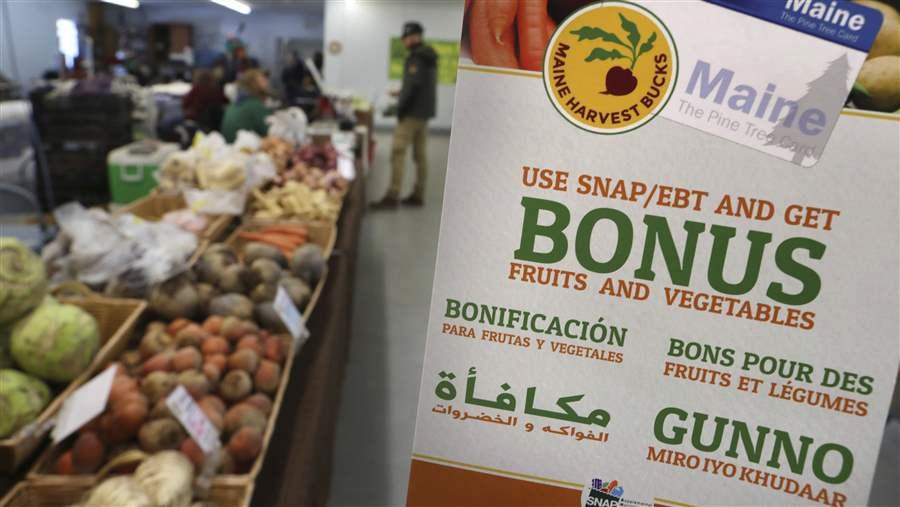 The pilot will start with SNAP households with EBT cards issued by New York. Online retailers will only be able to deliver in New York. The plan is for the pilot to eventually expand to other areas of New York as well as Alabama, Iowa, Maryland, Nebraska, New Jersey, Oregon, and Washington. Lessons learned will then allow expansion of online purchasing in SNAP.
“The ultimate goal of this pilot is to pave the way for a national rollout once the USDA identifies the best path to large-scale implementation,” says Amazon. NCL recognizes that the advancement of SNAP takes on a larger significance because of the argument by conservatives that the program “costs too much, has grown too quickly, encourages government dependency and discourages work.” NCL supports SNAP and this exciting online system, if it works, well, will address the dearth of healthy food options for millions of Americans in food desserts or who cannot, for lack of transportation, health or disability reasons, get to a supermarket and choose from healthier options.
For more information, please visit the *SNAP Online Purchasing pilot webpage.
*Links are no longer active as the original sources have removed the content, sometimes due to federal website changes or restructurings.
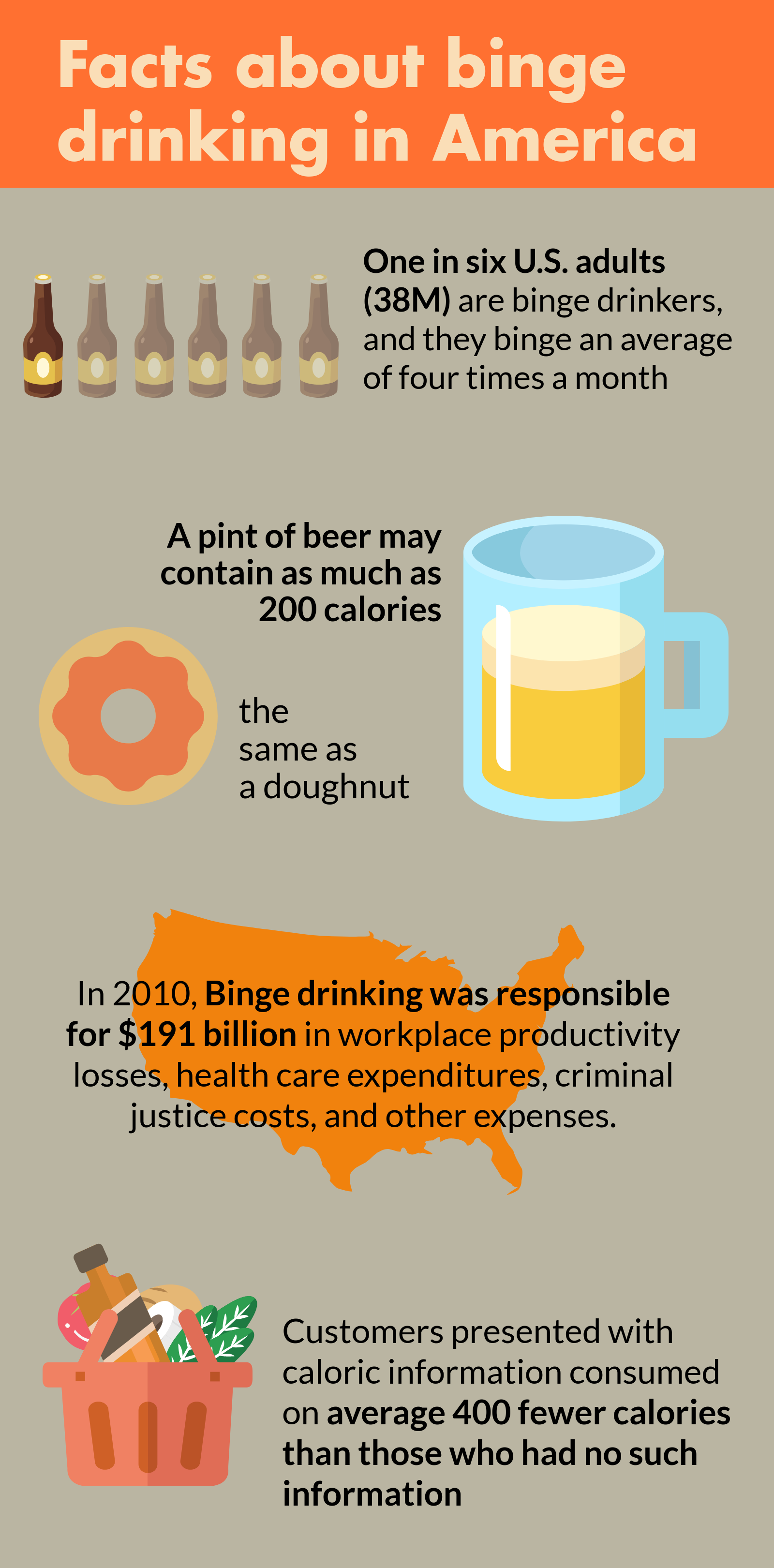 Some nutritional consequences of binge drinking

 Kosher food
 Just as there are hundreds of Kosher labeling schemes, there are thousands of Kosher certification agencies,
  Above all else, *
 The agency responsible for overseeing the Kosher certification process at Empire Kosher chicken was OU, . But given that OU is a private, independent certification agency that oversees 1 million products at 8,500 processing plants, we can only expect pathogen risk to be reduced, not eliminated. If anything, the recent outbreak of Salmonella linked to Empire Kosher chicken ultimately shows the strength of Kosher labeling and safety regimes, given how few outbreaks have been linked to Kosher foods in the last decade. Moreso, it provides a much needed model for the federal government to modernize using systems-based approaches (i.e., from farm to fork) for all measures of food safety testing, public communication, and importantly, compliance.
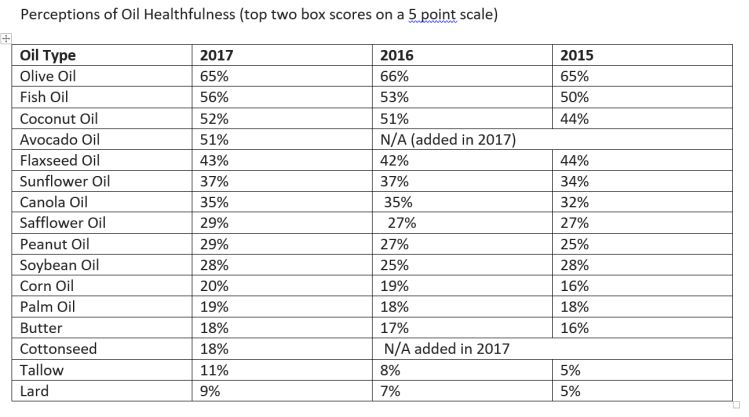

 Entering the grocery store, more than 40,000 products are right at your fingertips. As our
 Amid all the craziness of the last few weeks – the hurricanes that destroyed so much of Puerto Rico and the islands, the earthquake in Mexico City, the horrific mass shooting in Las Vegas – I find myself gravitating to anodyne parts of the newspapers I love to read daily. Case in point, the Food Section of the Washington Post.

 “Schools are a place of learning. The cafeteria should be too!”
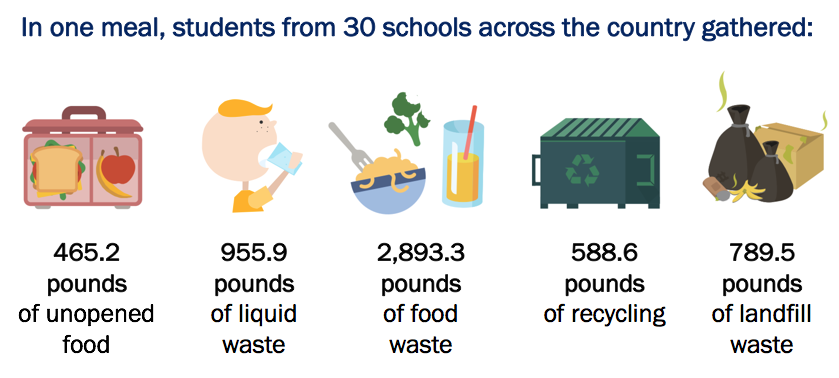 Instead of throwing away unopened food, it could have been recovered or donated. The potential for food rescue is detailed in the table below. Amounts were calculated using