Senate Hearing on Ticketing Should Push TICKET Act Forward 

Media Contact: Lisa McDonald, Vice President of Communications, 202-207-2829 

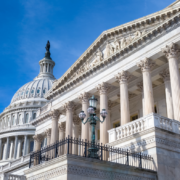
Washington, DC — In advance of a Senate Commerce subcommittee hearing on reform in the live event industry, the National Consumers League urged leaders in the U.S. Senate to prioritize passing the bipartisan TICKET Act (S. 281/H.R. 1402), which has already overwhelmingly passed the U.S. House of Representatives and the Senate Commerce Committee.  

“Consumers do not need another round of blame-shifting. They need Congress to act and to finally fix a live event ticketing system that has been broken by design, not by accident,” said NCL Vice President of Public Policy, Telecommunications, and Fraud John Breyault in a letter to Consumer Protection, Technology, and Data Privacy Subcommittee chairman Senator Marsha Blackburn (R-TN) and ranking member Senator John Hickenlooper (D-CO). “Passing the TICKET Act and strengthening it through legislation like the MAIN EVENT Act would finally begin to rebalance a marketplace that has been tilted against fans for far too long.” 

NCL continues to advocate for passage of the TICKET Act, which would ban hidden fees, prohibit speculative tickets, crack down on deceptive resale tactics, and guarantee refunds for event cancellations and postponements. NCL also supports the MAIN EVENT Act, which would implement much-needed improvements to the decade-old BOTS Act—an underused law that allows federal regulators to go after predatory scalpers.  

NCL’s full letter can be found here. 

Additional reading: 

### 

About the National Consumers League (NCL)      

The National Consumers League, founded in 1899, is America’s pioneer consumer organization. Our mission is to protect and promote social and economic justice for consumers and workers in the United States and abroad. For more information, visit www.nclnet.org.   

Annual Spring Soirée 2026

American Exceptionalism 2.0 – Turning Nutrition Guidance on Its Head

By Nancy Glick, Director of Food and Nutrition Policy at the National Consumers League

“American exceptionalism,” the idea that the United States is a unique nation rooted in democracy and liberty, dates back to the country’s founding. In fact, the colonial writer Thomas Paine described America as an exceptional civilization in his 1776 pamphlet Common Sense.

But now, there is a different form of American uniqueness – American exceptionalism 2.0 – that is not lofty and puts the U.S. at odds with the health recommendations of most other nations. Grounded in the view of Health and Human Services (HHS) Secretary Robert F. Kennedy Jr. that “we need to stop trusting the experts,” American exceptionalism 2.0 assumes past scientific evidence was wrong and America needs a reset in health and environmental policy. Over the past year, sweeping changes have followed, impacting the health of the nation – from the Environmental Protection Agency (EPA) erasing decades of climate and air pollution rules to HHS reducing the number of vaccines recommended for children from 11 to 18 without following established procedures for making such changes.

The newest result is the release of the Dietary Guidelines for Americans- 2025-2030, which HHS Secretary Kennedy and Agriculture Secretary Brooke Rollins assert is “the most significant reset of federal nutrition policy in decades.” They are right.

Sidestepping the 400-plus page 2025 Dietary Guidelines Advisory Committee (DGAC) Report finalized in December 2024, the Secretaries dismissed its findings and assembled a different panel of scientists, seven of whom had ties to the dairy and meat industries. The resulting report omits more than half of DGAC’s recommendations and presents an upside-down food pyramid that nutrition and public health organizations says fails to translate nutrition science into clear dietary guidance.

To be clear, some aspects of the dietary guidelines are widely supported. They retain recommendations to drink more water, eat more fruits and vegetables, and choose whole over refined grains. The big call-out is the recommendation to reduce the consumption of ultra-processed foods and sugar-sweetened beverages –because these products have little nutritional value, and have high amounts of salt, sweeteners, and unhealthy fats. According to new estimates from the Centers for Disease Control and Prevention (CDC), 55 percent of Americans’ calories come from ultra-processed foods, increasing the risk for diet-related chronic diseases.

Yet, NCL joins other consumer, public health, and medical societies in raising the alarm that ending what the Trump Administration calls “the war on protein” and promoting red meat and full-fat dairy will push consumers beyond recommended limits for sodium and saturated fats. Nutrition experts caution that advising people to consume 1.2 to 1.6 grams of protein per kilogram of body weight daily – meaning eating protein at every meal – would double the previously recommended daily allowance of 0.8 grams.

The new guidelines also abandon longstanding advice on drinking alcohol, which previously recommended limiting daily consumption to one or two drinks, with an explanation of what this means for beer, wine, and distilled spirits. Instead, they use vague language such as “consume less alcohol” without distinguishing between men and women, who metabolize alcohol differently, or cautioning against underage drinking.

Dr. Mehmet Oz, the Administrator of the Centers for Medicare & Medicaid Services (CMS), justified the approach, calling alcohol a “social lubricant that brings people together.”  But, putting people’s social life ahead over public health ignores the that excessive alcohol use contributes to about 178,000 deaths annually; causes various cancers, heart and liver diseases, and other chronic conditions; and costs the U.S. economy approximately $249 billion each year, according to the CDC.

Since 1980, the Dietary Guidelines have been issued every five years to impart the latest science-based dietary advice. But this time, HHS and USDA threw out the old rulebook.

As RFK Jr. said at the press conference I attended, “medical orthodoxies have to be challenged.” But challenging science without credible, evidence-based justification raises serious concerns—especially when powerful industry interests, including beef, dairy, and alcohol lobbies, were prominently present and seemingly influential in shaping this new, upside-down dietary guidelines pyramid. This approach risks prioritizing politics and profit over public health.

For American consumers, the stakes could not be higher. These changes threaten to weaken long-standing public health protections and undermine trust in science-based guidance. NCL will continue to raise these concerns and advocate for policies grounded in sound science, transparency, and consumer well-being. The real question now is whether this break from scientific norms will improve public health—or put it at risk. Time will tell.

My 11-Year-Old Got the HPV Vaccine — Here’s Why It Matters for Cancer Prevention

By Lisa Bercu, NCL Senior Director of Health Policy

Last week, my 11-year-old received her first HPV (human papillomavirus) vaccine. Like most kids, my daughter doesn’t love getting shots, but I talked it up for months in advance. I explained the HPV vaccine helps prevent cancer, which could otherwise rear its ugly head years or even decades down the road. And, that she may be spared many of the health risks and worries that so many women of my generation grew up with, including dealing with abnormal pap smears and invasive follow-up procedures. With that in mind (and knowing she would be rewarded with ice cream later!), she bravely rolled up her sleeve and got her vaccine.

That moment came against the backdrop of a significant and troubling policy shift. Earlier this month, the Centers for Disease Control and Prevention (CDC), under Secretary Kennedy’s leadership, made several changes to the childhood vaccine schedule. These changes were not driven by new scientific evidence. Instead, they reflect a departure from decades of established research, elevating ideology and misinformation in ways that will increase confusion for families, disrupt access to routine immunizations that have been given to children for years, and reduce public confidence in vaccines that are proven to be safe and effective.

These changes include altering the recommendations for the HPV vaccine. The CDC is now recommending a single dose instead of the two doses previously recommended. While there is growing evidence that one dose may be sufficient to protect people against HPV-related cancers, there isn’t sufficient evidence to support that change yet, and the American Academy of Pediatrics and American College of Obstetricians and Gynecologists continue to recommend the full series of doses for adolescents.

HPV Vaccine = Cancer Prevention

During Cervical Cancer Awareness Month, it’s worth underscoring a critical fact: HPV vaccination is cancer prevention.

HPV is extremely common, with more than 200 strains, and it is transmitted through intimate skin-to-skin contact (e.g., sex). Most people will be infected with at least one HPV type at some point in their lives, and certain types can lead to cancer. The HPV vaccine protects against the types that cause the vast majority of cervical cancers, as well as other cancers such as throat, anal, vaginal, vulvar, and some head and neck cancers. According to the American Cancer Society, the HPV vaccine, when given at the recommended ages, can prevent more than 90% of HPV-related cancers.

The HPV vaccine can be given to children starting at age 9, with routine vaccination at 11 or 12. The recommended dosing schedule is as follows:

    • 9-14 years: 2-dose series across a 6–12-month period
    • 15 years or older: 3-dose series across a 6-month period

While the HPV vaccine is typically given to preteens, adults up to age 45 can get it. Vaccinating at the recommended age not only strengthens immune response but also ensures protection before potential exposure to HPV and before cancer can begin to develop. Importantly, this guidance applies to both boys and girls. HPV can cause cancer in men, as well including anal, penile, throat, and head and neck cancers. The vaccine works. According to the CDC, among young adult women, infections with HPV types that cause most HPV cancers and genital warts have dropped 81%. And among vaccinated women, the percentage of cervical pre-cancers caused by the HPV types most often linked to cervical cancer has dropped by 40%.

Unfortunately, following the changes to the CDC’s recommendations, insurance coverage of the HPV vaccine is in flux. Most private insurers are expected to continue covering all doses of the vaccine through 2026 at no cost to patients, but coverage of the second and third doses after 2026 remains uncertain. Under the Vaccines for Children program, coverage of the first dose is expected to continue, while coverage of second and third doses is currently unclear.

What You Can Do

You can help ensure children get the protection they need:

    • Talk with your child’s healthcare provider about the HPV vaccine at the recommended ages. If your child is eligible for the HPV vaccine now, talk to your healthcare provider as soon as possible, as insurance coverage may change.
    • Review and share trusted information from organizations like the American Academy of Pediatrics.
    • Advocate for policies that uphold science-based vaccine recommendations.

Working Together to Stop Robocalls: A Cross-Sector Conversation

You are invited to a lunchtime discussion focused on Robocall Mitigation, hosted by the National Consumers League, with support from Verizon. Despite ongoing efforts, robocalls remain a persistent challenge for consumers and businesses alike. This event will explore how businesses, government, and advocates are working together to address the continuing problem of robocalls.

Statement from the National Consumers League on the Proposed Netflix–Warner Brothers Merger

Media Contact: Lisa McDonald, Vice President of Communications, 202-207-2829 

Washington, DC – The National Consumers League is deeply concerned about the proposed merger between Netflix and Warner Bros. Discovery, and its potential impacts on competition, consumer choice, and subscription prices. 

By combining the nation’s largest streaming service with one of its most significant competitors — including HBO Max — this transaction would substantially reduce competition in the digital entertainment marketplace. The long history of consolidation in the media industry shows that mergers of this scale tend to diminish competitive pressure and give dominant firms greater leverage to raise prices rather than pass savings on to consumers. A Netflix-Warner combination, or an alternative merger between Paramount and Warner, could mean that consumers’ monthly subscription bills — already on the rise — are likely to increase again without meaningful improvements in choice or content quality. 

The following statement is attributable to Sally Greenberg, CEO of the National Consumers League: 

Today’s streaming environment benefits from significant competition among multiple platforms. Losing HBO Max as a standalone competitor risks narrowing consumer options and weakening incentives for innovation in programming and pricing. Rather than delivering better value to households, this merger could lead to higher costs for viewers who already pay multiple streaming subscriptions. We urge antitrust enforcers and lawmakers to carefully scrutinize this deal to protect consumers, preserve competitive choice, and prevent undue price increases in the streaming market. 

### 

About the National Consumers League (NCL) 

The National Consumers League, founded in 1899, is America’s pioneer consumer organization. Our mission is to protect and promote social and economic justice for consumers and workers in the United States and abroad. For more information, visit www.nclnet.org. 

The National Consumers League Welcomes Four New Board Members to Advance Fairness, Safety, and Equity

Media Contact: Lisa McDonald, Vice President of Communications, 202-207-2829 

Washington, DC – The National Consumers League (NCL) today announced the appointment of Cynthia Bauerly, Amy L. Hinojosa, Josh Hurvitz, and Brian Young to its Board of Directors. The new members bring deep expertise in public policy, consumer advocacy, law, and organizational leadership, strengthening NCL’s work to advance fairness, safety, and equity for consumers nationwide. 

“These leaders bring an exceptional breadth of experience and a shared commitment to protecting consumers,” said NCL’s CEO Sally Greenberg. “Their insight and leadership will help NCL confront emerging challenges in the marketplace while continuing our longstanding fight for fairness and accountability.” 

Cynthia BauerlyFounder of Bauerly Consulting, is a longtime American civil servant, serving in senior roles in law, government, and policy at both the state and federal levels. She served as Commissioner of the Minnesota Department of Revenue from 2015 through 2020. She previously served as a Commissioner, Vice Chair, and Chair of the Federal Election Commission, and as Legislative Director and Counsel for United States Senator Charles E. Schumer of New York. Bauerly has also worked in private practice in Minnesota and Washington, D.C., specializing in complex litigation and appellate law, with a focus on intellectual property. 


Amy L. Hinojosa, President and CEO of MANA, A National Latina Organization, where she leads national efforts to strengthen Latina leadership through mentoring, education, and advocacy. She is a nationally recognized voice on equity and inclusion and serves in leadership roles across multiple national coalitions. 


Josh Hurvitz, a Partner at NVG, leads the firm’s technology, media, and entertainment practice. A former Vice President for Public Policy at Time Warner Inc., he brings extensive experience in intellectual property advocacy, corporate merger review, and congressional policymaking.


Brian Young, Vice President of I Street Advocates, brings a strong background in public policy and consumer advocacy, with a career focused on advancing effective governance and consumer protections across complex regulatory environments. 


“These appointments significantly enhance NCL’s ability to meet today’s consumer challenges,” said Jon Leibowitz, President of NCL’s Board of Directors. “Their collective experience will help guide our work as we push for a fairer, safer, and more equitable marketplace.” 

### 

About the National Consumers League (NCL)      

The National Consumers League, founded in 1899, is America’s pioneer consumer organization. Our mission is to protect and promote social and economic justice for consumers and workers in the United States and abroad. For more information, visit www.nclnet.org.  

Nancy Glick

New Options, Lower Costs, and Advice for Consumers Taking GLP-1 Weight Loss Drugs

By Nancy Glick, NCL Director of Food and Nutrition Policy

As 2026 gets underway, findings from the Pew Research Center estimate that three in ten Americans – more than 100 million people – started January with resolutions to save more money, get healthier, lose weight, spend more time with family and friends, and quit smoking.  Yet, only about 9 percent of Americans will ultimately keep their resolutions, according to the Pew findings. In fact, studies project that 23 percent of people quit their resolution by the end of the first week, and 43 percent quit by the end of January.  

Usually, resolutions to lose weight are where many Americans fail. But this year, the goal of achieving a healthier weight is increasingly possible. Here are some reasons why: 

    • Americans with obesity now have the option of being treated with the first GLP-1 (glucagon-like peptide-1) weight loss weight pill. Approved by the Food and Drug Administration (FDA) in December 2025, the so-called Wegovy© pill is indicated for people with obesity (BMI 30+) and those with overweight (BMI 27+) and at least one weight-related chronic condition. Containing the same active ingredient, semaglutide, as the widely used weekly GLP-1 injectable weight-loss treatment, the pill is taken once daily on an empty stomach, has comparable side effects (such as nausea, diarrhea, constipation, and vomiting) to injectable semaglutide, and also achieves similar weight-loss results. Specifically, in clinical trials, the pill achieved an average loss of 14 percent of a person’s body weight over 64 weeks when combined with diet and exercise. 
    • The FDA-approved weight loss pill is more affordable for consumers whose insurance does not cover obesity medication. Although pill prices vary depending on insurance coverage and dosage, for self-pay patients (without insurance), the cash prices range from $149 to $299 per month. This is because the pill form of semaglutide is cheaper to produce and does not require refrigeration. Moreover, the pill is widely available with a prescription from a qualified medical professional at over 70,000 U.S. pharmacies and via telehealth providers working with the manufacturer, Novo Nordisk, such as GoodRx and WeightWatchers.
    • The cost of injectable weight-loss drugs has dropped significantly. In May 2025, manufacturers of the popular GLP-1 weight-loss drugs, Wegovy© (semaglutide) and Zepbound© (tirzepatide), announced large price reductions for their injectable GLP-1 drugs, making it possible for “self-pay” consumers to access these FDA-approved medicines. Then, in November 2025, the drugmakers reached an agreement with the Trump Administration to set Medicare and Medicaid prices at $245 a month, including a $50 copay for many Medicare patients, significantly expanding access to these weight-loss and diabetes drugs for millions. 
    • The federal government is working on a pathway for Medicare and Medicaid to cover GLP-1 weight-loss drugs. On December 23, 2025, the Centers for Medicare & Medicaid Services (CMS) announced the BALANCE ( Better Approaches to Lifestyles and Nutrition for Comprehensive Health) Model, a voluntary program where CMS will work with Medicaid programs, Medicare insurance plans (Part D plans), and drugmakers to determine the best way to reduce net prices for GLP-1 medications, cap out-of-pocket costs, and standardize coverage criteria so people with Medicare and Medicaid coverage will have access to these treatments in the future. Under the program, CMS will waive the current Part D coverage exclusion for weight-loss medications, meaning GLP-1s will be included as a basic benefit of participating plans, and CMS will test different prices negotiated with manufacturers, the use of rebates to keep costs aligned with coverage terms, and cost-sharing options. CMS will begin testing different payment systems for Medicaid plans as early as May 2026 and for Medicare Part D starting in January 2027. Related to the BALANCE model, CMS will also conduct a payment demonstration starting in July 2026 that will allow eligible Medicare Part D beneficiaries to have coverage for GLP-1 drugs with an out-of-pocket cost of $50 a month.  

Because these developments translate into greater access to safe and effective FDA-approved GLP-1 weight-loss drugs, NCL recommends that consumers rethink their treatment decisions with a focus on drug safety. In February 2025, NCL issued a consumer alert with guidance from the FDA and obesity medicine specialists regarding the use of untested compounded GLP-1 drugs, possible counterfeits and fakes, and products sold online that the FDA warned could cause harm. Now that more FDA-approved GLP-1 drugs are readily available, NCL offers this updated advice:  

    • Before seeking treatment with a GLP-1 drug, talk to your doctor or health provider to determine if you are a candidate for treatment based on your risk factors and degree of obesity. 
    • When possible, the FDA recommends that patients opt for FDA-approved GLP-1 medications and fill prescriptions at a state-licensed pharmacy.
    • Because GLP-1 drugs are serious medicines that carry risks as well as benefits, it is best to obtain a prescription from your doctor or a health professional you know.
    • Be aware of the differences between FDA-approved GLP-1 drugs and products sold online that claim to be “the same” as these medicines, only cheaper and more convenient. Unlike FDA-approved medicines, compounded GLP-1 drugs and products promoted as alternatives to FDA-approved versions – such as oral supplements and patches – do not go through the FDA’s rigorous review process to ensure safety, effectiveness, and quality. Moreover, there are differences in how these products are manufactured, and their ingredients may come from undisclosed sources. The FDA warns that taking these products increases the risk of dosing errors and exposure to contaminants.  
    • Medical organizations warn that microdosing GLP-1s – meaning intentionally taking a smaller dose than the FDA-approved, on-label regimen – is an experimental practice that raises significant safety and effectiveness concerns. Although some telehealth companies claim that microdosing is a healthy way to lose weight and reduce metabolic risk, FDA does not approve or provide guidelines for “microdosing” GLP-1 medications and there is no clinical evidence from large-scale trials to support the safety or effectiveness of microdosing as a standard practice for weight loss or other claimed benefits.
    • In situations where you choose a telehealth option, beware of prescribing practitioners who do not take your personal history, do not diagnose the degree of obesity with appropriate evaluation measures, or prescribe a GLP-1 drug without ongoing monitoring.
    • Before ordering a GLP-1 drug through an online pharmacy, follow the FDA’s tips to spot the warning signs that the website may be unsafe, such as the online pharmacy is not licensed in the US or by a state board of pharmacy, or it offers deep discounts that seem too good to be true.  

Holding Corporations Accountable for Child Labor: NCL Endorses New Bipartisan Bill 

Media Contact: Lisa McDonald, Vice President of Communications, 202-207-2829 

Washington, DC – Today, the National Consumers League’s (NCL) Child Labor Coalition (CLC) is proud to support Congresswoman Hillary Scholten’s reintroduction of her bipartisan Justice for Exploited Children Act alongside Congressman Ryan Mackenzie (PA-07). This legislation would increase both civil and criminal penalties for companies that violate child labor standards established in the Fair Labor Standards Act. Under current law, penalties for child labor violations are as low as $10,000 in some cases – and the maximum prison sentence is 6 months, even if violations result in the death or serious injury of a child.  

“The Child Labor Coalition and the National Consumers League both welcome—and endorse—Rep. Scholten’s and Rep. Mackenzie’s Justice for Exploited Children Act, with its significantly increased child labor fines,” said Reid Maki, director of child labor advocacy for the National Consumers League and coordinator of the Child Labor Coalition. “Just three years ago, the U.S. Department of Labor’s Wage and Hour Division cited low fine levels as an obstacle to its efforts to root out hazardous child labor in meatpacking factories. It has been clear that current child labor fine levels are not sufficient to elicit the compliance of large corporations, with annual revenues of hundreds of millions of dollars or more. Fines must be significantly higher if we are to protect our children from dangerous workplaces.” 

The Justice for Exploited Children Act would update these penalties, incentivizing companies to monitor the quality of their supply chains. By instituting a wider range of penalties and doubling certain fines upon repeated or willful violation, this bill allows for nuance in each instance of violation, acknowledging that many businesses are initially unaware of the presence of child laborers in their workforce and supply chains. 

Endorsing organizations include the Campaign to End US Child Labor, Human Rights Watch, National Education Association, American Federation of Teachers, Economic Policy Institute, First Focus Campaign for Children, Global March Against Child Labor, Green America, National Advocacy Center of the Sisters of the Good Shepherd, National Consumers League, and the National Council for Occupational Safety and Health. 

### 

About the National Consumers League (NCL)      

The National Consumers League, founded in 1899, is America’s pioneer consumer organization. Our mission is to protect and promote social and economic justice for consumers and workers in the United States and abroad. For more information, visit www.nclnet.org.  

New Dietary Guidelines Take on Ultra-processed Foods but Abandon Longstanding Advice on Red Meat, Full-Fat Dairy Products and Alcohol

Media Contact: Lisa McDonald, Vice President of Communications, 202-207-2829

Washington, DC – The National Consumers League (NCL) values recommendations in the newly released Dietary Guidelines for Americans, 2025–2030, that encourage consumers to eat more fruits, vegetables, and whole grains. That said, we have significant concerns that the guidelines abandon science-based recommendations limiting daily consumption of red meat, full-fat dairy products, and alcoholic beverages.

“The new Dietary Guidelines offers a jumble of some good and some bad advice that we worry will confuse consumers and lacks the clarity we should expect from federal food and nutrition agencies like the USDA and the FDA,” says NCL CEO Sally Greenberg.

On the positive side, NCL congratulates the Department of Health and Human Services (HHS) and the Department of Agriculture (USDA) for urging consumers to cut back on highly processed foods and sugar-sweetened beverages that are major factors contributing to obesity and chronic disease. According to the Centers for Disease Control and Prevention (CDC), Americans consume over half their daily calories from ultra-processed foods, , which is why health experts from around the world are calling for government policies aimed at limiting consumption of added sugars, refined grains, highly processed foods, saturated fats, and sugary drinks.

At the same time, NCL joins with other consumer, public health, and medical societies that are concerned that ending what the Trump Administration calls “the war on protein” and bringing back an inverted food pyramid highlighting red meat and full-fat dairy products will cause consumers to exceed recommended limits for sodium and saturated fats. According to nutrition experts, the recommendation to consume 1.2 to 1.6 grams per kilogram of body weight of protein each day – meaning eating protein at every meal – will result in consuming twice the recommended daily allowance of 0.8 grams of protein per kilogram of body weight.

The new dietary guidelines also abandon longstanding advice on drinking alcohol, which until now recommended limiting daily consumption to one or two standard drinks a day, with an explanation of what this means when drinking beer, wine, or a distilled spirits product. Instead, the latest version only states that people should consume less alcohol “for better overall health” and “limit alcohol beverages.” Accordingly, the estimated 62 percent of adult Americans who consume alcoholic beverages will now be flying blind when attempting to make responsible drinking decisions.

Even more problematic, the guidelines do not distinguish between men and women, who metabolize alcohol differently, and fail to caution against underage drinking. Because alcohol is the most widely used substance among Americans aged 12 and older, contributing to about 178,000 deaths annually and causing various cancers, heart and liver diseases, and other chronic conditions, excessive alcohol use costs the U.S. economy approximately $249 billion each year. Thus, the vague focus on alcohol recommendations in the guidelines is not in the public interest and runs counter to the goals of the MAHA movement to reduce chronic disease in the US.

###

About the National Consumers League (NCL)

The National Consumers League, founded in 1899, is America’s pioneer consumer organization. Our mission is to protect and promote social and economic justice for consumers and workers in the United States and abroad. For more information, visit www.nclnet.org.