Remembering Barney Frank, a Giant for Consumers and Equality
By NCL CEO, Sally Greenberg
I was living in Boston in 1987 when a thunderclap of a headline hit the front page of the Boston Globe: Barney Frank was about to be outed over a relationship with a man he had hired as a “massage therapist,” and he decided to get ahead of the story himself.
In May 1987, U.S. Representative Barney Frank became the first member of Congress to voluntarily disclose that he was gay, making the announcement in an interview with the Globe. Motivated by both personal integrity and a desire to manage the growing press scrutiny, his decision was met with overwhelming support from constituents in his district. This was decades before Grindr, Tinder, Match.com, etc.; men (mostly) would place ads in gay papers with an unlisted phone number or go to a gay bar. But a closeted member of Congress couldn’t go do that and not be recognized. Frank described his dilemma in the interview: he was a lonely, overweight gay member of Congress with no means for finding romance or sex.
As a gay icon, Barney was a trailblazer. To younger generations, this may sound unremarkable now, but 39 years ago it was anything but. There were many gay members of Congress then, of course, but none who were out.
I moved to Washington in 1996, and over the years, I had several memorable interactions with Barney, as everyone called him. He was a legendary curmudgeon — cranky to the core —, and I had the dubious honor, like so many others, of being scolded by him after making some innocuous comment, possibly a question, about Israel needing stronger support in Congress. He snapped back, “You’re so immature.” I couldn’t help but laugh at why he chose those words to berate me. But it was almost a badge of honor to be on the receiving end of one of Barney’s rebukes — a little like making Nixon’s enemies list or being called “low IQ” by Donald Trump.
But the Barney Frank I remember most was the extraordinarily smart and wickedly funny man. He once quipped that Senator Dianne Feinstein had “more Jewish husbands than a room full of Hadassah members.” And when a fellow House member declared that America was a Christian nation, Barney famously shot back: ‘If this is a Christian nation, why did you drag this Jew out of bed to get here to listen to all of you?‘
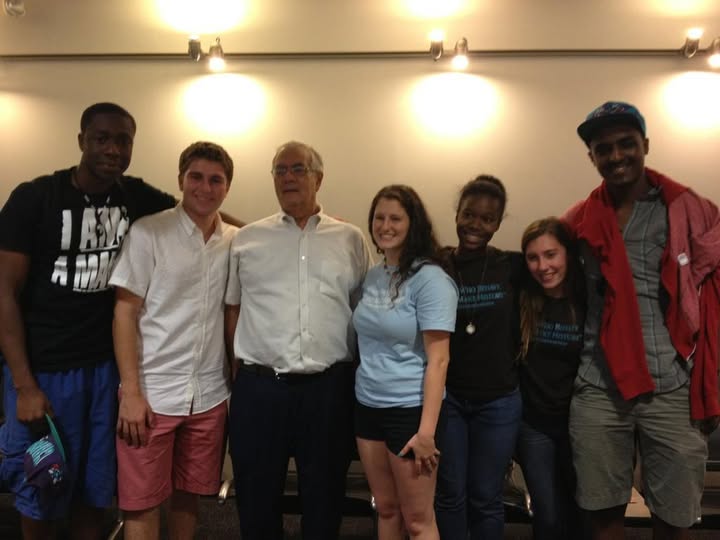
He was also generous with his time, and despite being a curmudgeon, he also had a heart. I remember on one memorable occasion, my son Joe, then a junior in high school, was part of a group of students with Operation Understanding returning to Washington, DC from Mississippi. At the airport, they crossed paths with Barney, who was heading to Boston. At my prompting, he spent nearly half an hour speaking with the students about his experiences working on Freedom Summer in the early 1960s. For the young people on that trip, it was a rare opportunity to hear firsthand reflections from someone directly involved in a pivotal moment in the civil rights movement. That he would take the time to engage with these students — just because — showed the heart beneath the curmudgeon.
Most importantly, Barney was an iconic champion of so many causes: gay rights, consumer protection, and economic fairness. For consumer advocates, he was a steadfast ally, a brilliant and innovative legislator who successfully navigated the enormously complex but critically important Dodd-Frank financial reform bill to rein in corporate abuses. Barney never hesitated to call out corporate misconduct, and he did so with honesty, humor, and conviction.
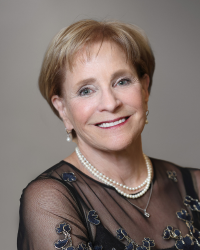
I send condolences to his friends, staffers, the LGBTQ community, and especially to his sister, Ann Lewis — a pioneering feminist, close confidante of Hillary Clinton, and someone with whom I’ve had the pleasure working for many years.
Rest in peace, Barney, and know we will never forget your enormous contributions.