AMAG Pharmaceuticals
AMAG Pharmaceuticals has had a number of significant developments in women’s health in recent months. In late September, AMAG announced it has acquired global rights from Velo Bio, LLC to develop and market digoxin immune Fab (ovine DIF), a polyclonal antibody in development for the treatment of severe preeclampsia in pregnant women. Preeclampsia is a leading cause of maternal morbidity and mortality and adverse neonatal outcomes, affecting approximately 140,000 pregnant women in the U.S. annually. Severe preeclampsia can be life-threatening to both the woman and infant, and impacts approximately 50,000 women per year. Currently, there are no FDA-approved treatments for preeclampsia or severe preeclampsia. AMAG will manage and complete the Phase 2b/3a study. Additionally, AMAG worked with more than a dozen partners to launch the Alliance for Advancing Women’s Health (AAWH) — a new collaborative initiative to advance women’s sexual healthcare by improving the interaction between clinicians and patients about sexual health — on October 1st. Member organizations are working together to empower women with information to seek better sexual healthcare. AMAG is the founding funder and convener of the Alliance.
America’s Health Insurance Plans
AHIP is partnering with the Coalition for Medicare Choices to educate seniors and their families about the benefits of Medicare Advantage and work with Congress to keep health care affordable. CMS predicts more than 22 million seniors will choose to enroll in a Medicare Advantage plan this year – 37 percent of all Medicare-eligible Americans. The more than two million members of the Coalition are sending e-mails, making calls, and meeting with Members on Capitol Hill and in-district to share their stories of how they rely on Medicare Advantage and highlight the importance of fully funding Medicare programs.
Association for Accessible Medicines
The Association for Accessible Medicines (AAM), together with 28 groups, submitted a letter on November 5th to U.S. Trade Representative Robert Lighthizer, Health and Human Services Secretary Alex Azar, and Congressional leadership expressing concern that, if left in its current form, the proposed agreement with Canada and Mexico to revise the North American Free Trade Agreement (NAFTA) will keep drug prices high and out of reach of Americans. The letter states that without changes to the draft agreement – now called the U.S.-Mexico-Canada Free Trade Agreement (USMCA) –USMCA will slow the development of biosimilars in the U.S., increase brand-name drug exclusivity (monopolies) for biologics in Canada and Mexico, and expand protections for brand-name drugs beyond current U.S. law.
The letter demonstrated the widespread concern about delaying patient access to affordable generics and biosimilars in U.S. trade agreements, with co-signers representing a diverse coalition of organizations including AFL-CIO, AARP, Kaiser Permanente, American College of Physicians, American Federation of Teachers, FreedomWorks, Patients for Affordable Drugs, and SEIU. The letter is available at MedsForAmerica.org, a website that provides patients with an opportunity to contact their Members of Congress to encourage more prescription drug competition in USMCA to bring down high prices.
BeMedWise Program at NeedyMeds
With the NCPIE – NeedyMeds transition completed, the BeMedWise program has begun inviting our former NCPIE members and stakeholders to participate in the new BeMedWise Council. The BeMedWise Council partners will work collaboratively to identify and develop highly-relevant BeMedWise programs that support the BeMedWise program’s mission to promote the wise use of medicines through trusted communication for better health. Please contact Deborah Davidson (ddavidson@needymeds.org) if you are interested in learning more about the new BeMedWise Council.
October marked our 33rd Talk About Your Medicines Month (TAYMM). BeMedWise and our health education stakeholders used this nationally recognized health observance month to talk about opioid safety. This year’s theme – Taking Action to Prevent Opioid Misuse and Abuse, focused attention on the magnitude of the problem as well as how patients, their families, caregivers, and healthcare professionals can take action and work together to manage these serious medications and ensure safe and appropriate medicine use, including safe storage and disposal. The TAYMM website features our customary tips/downloads and resources for patients and providers to help stimulate conversations about understanding and avoiding the potential risks and misuse of opioid medications. This year’s program also included a kick-off webinar that is available on the NeedyMeds YouTube channel. Stakeholders and partners received a TAYMM communications planning toolkit, comprised of a news article, social media messages and more to share with their respective constituencies. All of the BeMedWise past “Talk About Your Medicines” month observances, materials, and resources are evergreen, and can be used for health-related events throughout the year.
The BeMedWise program announces a new partnership with the Israeli Chapter of the International Society of Pharmacovigilance (ISOP Israel). As part of the collaboration and ISOP Israel’s efforts to improve patient safety and increase medication adherence, ISOP Israel is planning to translate several BeMedWise educational resources into Hebrew, including the “Talk Before You Take” program tools to support healthcare providers and their patients when communicating about the benefits and potential risks of their medications. One target area where these tools will be implemented is part of an integrated risk management strategy on anticoagulants in a variety of multi-disciplinary settings including hospitals and community pharmacy.
Black Women’s Health Imperative
Black Women’s Health Imperative recently released its inaugural legislative agenda, Black Women Vote: The 2018 National Health Policy Agenda to build upon Black women’s political influence, ballot power, and commitment to civic participation for upcoming elections. The agenda is based on four pillars: Access to Quality and Affordable Health Care; Equitable Responses to Public Health Emergencies; Sufficient Diversity in Clinical Research; and Increased Funding to Support HBCUs. To ensure that our agenda is disseminated and accessible to all Black women, BWHI co-sponsored a series of conversations in several cities including Atlanta, Richmond, Baltimore, Boston, Raleigh, and Morgan State University, focusing on issues of concern to Black women. The purpose of these gatherings is to share the policy agenda and hear directly from the women who are affected by the issues addressed in the agenda.
BWHI has also taken a leadership role on maternal mortality affecting Black women by participating in Op-Eds, press releases, and supporting legislation focused on maternal mortality. In addition, BWHI has strengthened its collaboration with the Clean Water for All Coalition (CWAC) by expanding the voice of Black women in environmental health policy through the release of the Environmental Report: Water, Health and Equity.
Finally, BWHI was mentioned in two different news articles entitled “New Policy Agenda Aims at Educating Black Voters” by the Washington Informer and “Black women are galvanizing the vote in the booth and on the ballot in the midterm elections” by the Grio.
Consumer Healthcare Products Association Educational Foundation
In October, the Up and Away campaign leveraged the Halloween holiday season and “candy confusion” to increase awareness and knowledge of safe medicine storage. The campaign issued a press release in English and Spanish with 310 placements; posted a digital matte release with more than 1,000 placements; and conducted a national radio media tour with nine stations featuring the foundation’s Mary Leonard and spokesperson Dr. Kathleen Wilson, helping us reach 27.5M consumers with our Up and Away messages. In addition, we conducted outreach to local and national news, securing national coverage from ABC National News, reaching 600,000 viewers across 50 local ABC News channels. We also secured a printed piece in the El Nuevo Herald in Florida that reports to the third largest Hispanic population in the country. Finally, the campaign launched paid media on Facebook and Instagram, reaching 800,000 parents and caregivers with our safe medicine storage messages during Halloween.
FDA Office of Women’s Health
The FDA Office of Women’s Health (OWH) developed two new consumer publications this year. The Women and Pain Medicines fact sheet provides information to help women make safe decisions regarding pain medication use. The Caring for Others: Resources to Help You fact sheet includes tips for caregivers and other FDA resources to help keep a loved one safe and on track with their treatments.
Over the next few months, OWH will refresh the overall look of our publications, ensuring that we continue to provide women timely and free health information in a clear and easy-to-read format.
At NCL’s December 3, 2018 Health Advisory Council Meeting, Marsha Henderson, FDA’s Associate Commissioner for Women’s Health, announced that she is retiring from the agency at the end of the year. We will miss Marsha, but look forward to continuing to work with the OWH staff in the years ahead.
Healthcare Distribution Alliance and Allied Against Opioid Abuse
Earlier this fall, Allied Against Opioid Abuse (AAOA) collaborated with a team of physicians at the Johns Hopkins Hospital on an educational video to help patients prepare for and manage post-surgery pain. To watch the video, click here.
In coordination with its pharmacy partners, AAOA also developed a suite of tools to help pharmacists engage with and educate patients about the safe use, storage, and disposal of prescription opioids. The AAOA Pharmacy Toolkit is available online here. To get a sense of the toolkit in action, read this blog post featuring California pharmacist Katie Bass.
For more information on AAOA activities or to get involved with the organization, please contact Lee Lynch (llynch@reservoircg.com).
The Healthcare Distribution Alliance is the founding member of Allied Against Opioid Abuse.
HealthyWomen
HealthyWomen’s policy blog has recently explored important health insurance and access to care-related issues connected to women’s health. Phyllis Greenberger, Senior Vice President for Science and Health Policy, recently wrote on ensuring access to pain management while confronting the opioid epidemic, and her most recent blog urges Congress to act now to pass the “donut hole” fix for the Medicare Part D prescription drug program. With open enrollment health insurance season in full swing, Beth Battaglino, RN, CEO, and Mike Miller, MD, HealthyWomen Senior Policy Advisor, shared insights on what our audience needs to know when choosing a health care plan.
In early October, Mike Miller, MD, Senior Policy Advisor, with Paul Samuels, Director and President, Legal Action Center, participated in a panel discussion focused on women and the opioid epidemic at the annual Women in Government Healthcare Summit. This presentation focused on expanding medication-assisted treatment for opioid addiction and state strategies to advance reform. Resources for Strengthening Families and Communities by Improving Access to Treatment for Substance Use Disorder, a toolkit created by HealthyWomen and the Legal Action Center, was highlighted as an educational tool for legislators on the frontline. AT Forum also interviewed Dr. Miller for an article published online in November titled “Toolkit Helps Women State Legislators with Opioid Bills.”
Brian J. Isetts, PhD, BCPS, Professor at the University of Minnesota College of Pharmacy
Brian J. Isetts, PhD, BCPS was recently appointed to serve a two-year term on the Centers for Medicare & Medicaid Services (CMS) – Medicare Evidence Development and Coverage Advisory Committee (MEDCAC). The MEDCAC advises CMS on whether specific services and medical items are reasonable and necessary under Medicare law. There are currently 66 voting members on MEDCAC for the 2018-2020 biennium selected based upon expertise and qualifications in fields such as genetic testing, clinical epidemiology, psychopharmacology, health care economics, patient advocacy, and other relevant fields and professions.
National Association of Nurse Practitioners in Women’s Health
The National Association of Nurse Practitioners in Women’s Health (NPWH) held its 21st Annual Premier Women’s Healthcare Conference in October, attracting over 700 attendees for our largest conference yet. NPWH continues to work to advance older women’s health care with planning meetings for our Healthy at Any Age Coalition and anticipates an official Coalition launch in May 2019. To learn more about the coalition, click here. If you are interested in joining the Coalition, please email info@npwh.org.
National Community Pharmacists Association
Medication disposal
Together with the NCPA Foundation, which received a large donation of Sharps TakeAway envelopes from Cardinal Health and operates the www.DisposeMyMeds.org website, NCPA promotes dispensing and disposal habits that keep unused opioids and other prescription drugs from being misused or flushed into our water supply. NCPA encourages members to promote and participate, to the extent practical, in DEA’s twice annual drug takeback events.
Combatting the opioid public health emergency
As a result of efforts on the Substance Use-Disorder Prevention that Promotes Opioid Recovery and Treatment (SUPPORT) for Patients and Communities Act (aka the opioid relief package), NCPA was present at the signing of the bill by President Trump. Included are provisions that require e-prescribing for Schedule II through V controlled substances under Medicare Part D, starting in 2021, call for educational materials on safe controlled substance dispensing practices for pharmacists, and preserve patient pharmacy choice. In addition to collaborating on the opioids package, NCPA is a partner in Allied Against Opioid Abuse, a coalition of organizations that have funded development and dissemination of resources to help pharmacists engage with and educate patients and prescribers about the safe use, storage, and disposal of prescription opioids.
NCPA’s Senior Vice President of Government Affairs Karry La Violette offered input on industry efforts to combat the opioid epidemic at a recent meeting at the U. S. Department of Health and Human Services. La Violette and representatives of the National Conference of Pharmaceutical Organizations (NCPO) met with Assistant Secretary for Health Admiral Brett Giroir, M.D. to discuss ways the NCPO can assist the Administration. NCPA is a member of NCPO, a coalition of organizations and associations that represent more than 300,000 pharmacy practitioners and pharmaceutical scientists, and companies engaged in health care delivery, as well as pharmacy regulators and educators.
Drug pricing
The 2020 Medicare Part C/D Pricing Proposed rule was released Monday, November 26. While NCPA is in the process of analyzing the proposed rule in order to submit comments, the initial impression is that it contains important changes to drug pricing calculations that will lower patients’ out-of-pocket costs at the pharmacy counter and make the Part D market more competitive and efficient. It also calls on Part D Plans to implement a real-time benefit transaction that would provide prescribers who service its beneficiaries with complete, accurate, timely, and clinically appropriate patient-specific real-time formulary and benefit (F&B) information (including cost, formulary alternatives, and utilization management requirements).
National Partnership for Women and Families
In honor of National Family Caregivers Month, the National Partnership for Women and Families released a new fact sheet The Female Face of Family Caregiving and blog post to highlight these unsung superheroes. Check them out and learn what we can do to better support the 25+ million women who provide care to family members or friends.
One way to supercharge caregiving is with tools like mobile health apps that make it easier to access, compile, and coordinate health information. We’re excited to share a video that explains how digital health tools can help the Care-Coordinators-in-Chief in our lives.
Network for Excellence in Health Innovation
The Network for Excellence in Health Innovation (NEHI) has released Health Care Without Walls: A Roadmap for Reinventing U.S. Health Care. By combining technologies such as telehealth with a reconfigured workforce, the report says, the nation’s health care system could be transformed into one that better anticipates individuals’ needs; works to keep them as healthy as possible; and brings prevention and care out of conventional institutional settings into peoples’ homes, workplaces, and other convenient locations. “Not all health care will or should move outside of the traditional institutional settings, such as doctors’ offices and hospitals,” said Susan Dentzer, NEHI’s President and CEO. “We’ll still want to be treated in intensive care units and trauma centers when we’re very sick or injured. But much of health care is about exchanges of information, rather than the traditional laying on of hands. And those exchanges of information about health care can increasingly take place virtually — making it more convenient and accessible for all of us.” The report draws on the collective insights of approximately 200 individuals, including leaders of five separate work streams focused on technology, the health care workforce, payment, regulatory, and human factors issues. More information is available on NEHI’s web site at www.nehi.net.
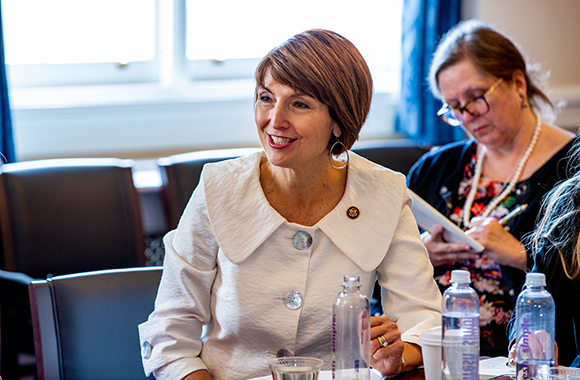








Here’s what we’re celebrating in 2018
/byThe #DataInsecurity Digest | Issue 83
/by NCL staffMarriott closes out the year with another mega-breach while Congressional bipartisanship on data security fades
By John Breyault (@jammingecono, johnb@nclnet.org)
NCL Vice President of Public Policy, Telecommunications and Fraud
Subscribe here. Tell us what you think.
Editor’s note: Marriott’s record-setting breach–the second largest in history–was the big headline this week. Although Quora and the National Republican Campaign Committee also disclosed breaches last week, Marriott seems likely to attract a great deal of scrutiny amongst policymakers and class–action lawyers. Unfortunately, bipartisanship on cybersecurity seems to be waning, as evidenced by dueling reports on the Equifax breach by Democrats and Republicans on the House Oversight committee.
Programming note: Due to the upcoming holidays, we will be taking a break from our usual schedule. This will be the last issue of The #DataInsecurity Digest published in 2018. We’ll resume publication on January 10, 2019. Thanks for sticking with us through 2018 best wishes for health, happiness, and improved data security in 2019!
And now, on to the clips!
—————–
500 million Marriott and Starwood property accounts breached. In the second largest breach in history, 500 million accounts were breached over a period of several years. “For about 327 million customers, the hackers may have gained access to passport numbers, travel details and, in some cases, credit-card information, as well as names and addresses.” (Source: Wall Street Journal)
Swift fallout for Marriott. In the aftermath of the breach, “lawyers quickly filed a class-action lawsuit in Maryland… . In New York, Attorney General Barbara Underwood launched an investigation, and other states are doing the same, with a multistate team-up possible.” (Source: Politico Morning Cybersecurity)
Quick hit: China emerges as likely suspect in Marriott data breach. Although China has not been officially blamed, private investigators “have found hacking tools, techniques, and procedures previously used in attacks attributed to Chinese hackers.” (Source: Reuters)
House Oversight Committee: Equifax breach ‘entirely preventable.’ On Monday, the House Oversight Committee released its long-awaited report regarding Equifax’s historic breach, which harmed 148 million American consumers. The report found that had Equifax “taken action to address its observable security issues prior to this cyberattack, the data breach could have been prevented.” However, the report only called for additional cooperation between the public and private sectors to prevent future breaches. (Source: House Oversight and Government Reform Committee [Majority])
A few hours later, Democrats release competing Equifax oversight report. The Democratic report “called for new laws that would raise financial penalties for data breaches, simplify how consumers are notified about breaches and boost federal regulators’ cybersecurity efforts.”@Joseph_Marks_ comments how the dueling reports “highlight how cybersecurity, which was once considered a largely bipartisan topic, has been infected by partisan conflict… .The fact that the parties can’t even agree on how to properly condemn Equifax makes it seem even less likely that they will be united on how to tackle more complex challenges that have serious political implications, such as election security or protecting the power grid.” (Source: Washington Post)
House Republican campaign committee hacked during the midterm election. Although details regarding the full extent of the breach have not yet been released, it is believed that “thousands of sensitive emails” were exposed to an outside intruder and that “the email accounts of four senior aides at the National Republican Congressional Committee were surveilled for several months.” (Source: Politico)
AOL pays nearly $5M for illegally tracking children and auctioning off their data to the highest bidder. Last week, AOL’s parent company Verizon paid $4.95 million to settle charges that AOL violated the 1998 Children’s Online Privacy Protection Act (COPPA) after “the company had knowingly been disclosing data collected on children under 13 to third parties in violation of the law.” (Source: The Hill)
Quora breach compromises 100 million user accounts. The breach is believed to have compromised “users’ names, email addresses, and encrypted passwords as well as data from social networks like Facebook and Twitter… .” (Source: CNN)
Your phone’s apps could be spying on you. Most of us know that many of our mobile apps track our locations. But, the New York Times has uncovered that this data could easily be used to “identify a person without consent. They could follow someone they knew, by pinpointing a phone that regularly spent time at that person’s home address. Or, working in reverse, they could attach a name to an anonymous dot, by seeing where the device spent nights and using public records to figure out who lived there.” Similarly, the Times uncovered other unsettling applications for location tracking such as how one company, “Tell All Digital, a Long Island advertising firm, … says it runs ad campaigns for personal injury lawyers targeting people anonymously in emergency rooms.” (Source: New York Times)
Events
June 27, 2019: Federal Trade Commission’s PrivacyCon – Washington DC
Each year, the FTC convenes a group of privacy experts, academics, policy makers, and regulators to discuss the latest research surrounding consumer privacy and data security. Researchers are encouraged to apply to present at the conference by March 15, 2019. (Source: Federal Trade Commission)
National Consumers League
Published December 13, 2018
Health Advisory Council Newsletter | 2018 Q4
/byWelcome to the Q4 issue of the Health Advisory Council Newsletter. Below you will find NCL policy updates, a new Q&A with the National Hispanic Medical Association, member updates, and more.
Let’s keep the conversation going in 2019!
We hope you will renew your Health Advisory Council Membership for 2019 as NCL continues to convene diverse representatives of the healthcare community to share perspectives and insights, identify common interests, and support NCL’s work in health-related consumer education and advocacy. Thanks to your support in 2018, we were able to work and advocate on a variety of important health issues. We look forward to continuing the conversation with you and others in 2019!
On December 3, NCL hosted the Fourth Annual Winter Membership Meeting of its Health Advisory Council, featuring Special Guest Speaker Wendell Primus, Ph.D., Senior Health Policy and Budget Advisor to Democratic Leader Nancy Pelosi. Dr. Primus gave an overview of some of the highest priority healthcare issues for the Democratic Party going forward, including the following: prescription drug pricing, lowering healthcare costs, moving towards universal coverage, strengthening the ACA, improving Medicare and Medicaid, and addressing the opioid epidemic. In addition to Dr. Primus’ remarks, the meeting also included a report on NCL’s health programs and activities, as well as the opportunity for Members to network with each other and share updates on their initiatives and priorities.
Click here for a summary of Dr. Primus’ remarks.
Counterfeit drugs
NCL continues to have a strong focus on counterfeit drugs. On October 5, NCL’s Senior Director of Health Policy Karin Bolte participated in a panel presentation on Ensuring Safe Drugs at Women In Government’s Ninth Annual Healthcare Summit. NCL provided an overview of the risks of counterfeit drugs and improperly compounded drugs, and discussed ways in which the states can better protect their residents from unsafe drugs.
At the Alliance for Safe Online Pharmacies (ASOP) Global’s November 14th Spotlight on Illegal Online Drug Sales Research Symposium, NCL Executive Director Sally Greenberg presented the results of consumer research and joined with Bayer in releasing a White Paper that explores the risks consumers face when purchasing erectile dysfunction (ED) medicines from illegal online pharmacies and provides policy recommendations for increasing safe access to ED medicines.
NCL is also pleased to announce that Allergan has recently joined Eli Lilly, PhRMA, and Pfizer as supporters of NCL’s Counterfeit Drugs Consumer Education Campaign. We anticipate launching the campaign in the fall of 2019, and are still seeking additional campaign partners. Please contact Karin Bolte at karinb@nclnet.org for information about how your organization can join this resource-rich platform to educate consumers on making smart purchasing decisions and improve understanding about how to avoid the scourge of counterfeit drugs.
More NCL health policy updates.
Member spotlight
Get to know the National Hispanic Medical Association with a new Q&A.
Get the latest updates on programs, policy, and initiatives from our Members.
If you have time-sensitive information and updates you’d like to share with the Health Advisory Council in between NCL’s quarterly newsletters, please contact Karin Bolte (karinb@nclnet.org) or Nissa Shaffi (nissas@nclnet.org), and we will be happy to forward your materials to the Council membership. We also encourage you to contact us with your ideas and suggestions for Council activities.
————
National Consumers League
Health Advisory Council Newsletter | Q4 2018
Published December 12, 2018
Health Advisory Council December 2018 Member Meeting minutes
/byDr. Primus reflected on the historic results of the 2018 Midterm election and offered great insights into the Democratic Party’s upcoming healthcare priorities. He discussed the changing dynamics that we should anticipate within the 116th Congress and its potential impact on the healthcare legislative landscape, as he aptly framed “a difficult terrain.” Despite the split Congress, Primus predicted there would be many opportunities for bipartisan collaboration on health issues.
Primus mentioned the following issues as some of the highest priorities for the Democratic Party going forward:
Prescription drug pricing
With regard to high prescription drug prices, Dr. Primus said that very little can be achieved without legislation. Areas of focus include fostering competition; providing the HHS Secretary with the authority to negotiate drug prices; and establishing an out-of-pocket limit in Medicare Part D. Primus noted the prominent role that Senator Chuck Grassley (R-IA) is expected to play as the Chairman of the Senate Finance Committee.
Lowering healthcare costs
Dr. Primus urged consumer and patient advocates to join together to advocate for reducing wasteful healthcare spending, such as unnecessary breast re-excisions, two-day procedures that should have been conducted simultaneously, and other low or no value healthcare.
Moving towards universal coverage
While there is agreement in the Democratic caucus on the importance of universal coverage, Dr. Primus stated that the most cost-effective path towards universal coverage is improving the Affordable Care Act (ACA). Primus noted that Medicare for All faces several challenges, including cost ($30 trillion over 10 years); stakeholder opposition; creating a system where there would be winners and losers; and implementation challenges.
Strengthening the ACA
Dr. Primus discussed factors that threaten to compromise the ACA going forward. Primus noted that ACA enrollment is down by 9-10%, as a result of a combination of the following:
States can act to protect the Marketplace by:
Improving Medicare and Medicaid
With good news for coverage, Dr. Primus noted that Nebraska, Idaho, and Utah all voted to expand Medicaid in the 2018 Midterm elections. However, Medicaid work requirements threaten to take away people’s health insurance. Primus expressed concern that the U.S. is not preparing for the baby boomer retirement, which is expected to have enormous implications on the federal and state budgets. Primus mentioned several improvements that should be considered for Medicare, including establishing an out-of-pocket limit, improving benefits, slowing healthcare cost growth, and improving the Part D program.
Addressing the opioid epidemic
Dr. Primus stated that the opioid epidemic remains a top priority for Congress. As a result of the opioid epidemic, the average life expectancy in the U.S. has dropped for the third consecutive year. In 2017, there were 72,000 drug-related deaths, and 42,200 of 63,600 drug-related overdose deaths in 2016 were attributed to opioids. The highest overdose rates reported in 2016 were in West Virginia, Ohio, New Hampshire, DC, and Pennsylvania.
To address the opioid crisis, the Bipartisan Budget Act of 2018 appropriates $3 billion/year towards opioid efforts over the next two years. The SUPPORT for Patients and Communities Act which was passed in late October will bolster access to treatment and other interventions to mitigate opioid-related deaths. In addition, Medicaid expansion has reduced opioid-related deaths due to increased access to treatment.
NCL health policy updates | Health Advisory Council Newsletter | 2018 Q4
/byNCL health policy at work
Counterfeit drugs
NCL continues to have a strong focus on counterfeit drugs. On October 5, NCL’s Senior Director of Health Policy Karin Bolte participated in a panel presentation on Ensuring Safe Drugs at Women In Government’s Ninth Annual Healthcare Summit. NCL provided an overview of the risks of counterfeit drugs and improperly compounded drugs, and discussed ways in which the states can better protect their residents from unsafe drugs.
At the Alliance for Safe Online Pharmacies (ASOP) Global’s November 14th Spotlight on Illegal Online Drug Sales Research Symposium, NCL Executive Director Sally Greenberg presented the results of consumer research and joined with Bayer in releasing a White Paper that explores the risks consumers face when purchasing erectile dysfunction (ED) medicines from illegal online pharmacies and provides policy recommendations for increasing safe access to ED medicines.
NCL is also pleased to announce that Allergan has recently joined Eli Lilly, PhRMA, and Pfizer as supporters of NCL’s Counterfeit Drugs Consumer Education Campaign. We anticipate launching the campaign in the fall of 2019, and are still seeking additional campaign partners. Please contact Karin Bolte at karinb@nclnet.org for information about how your organization can join this resource-rich platform to educate consumers on making smart purchasing decisions and improve understanding about how to avoid the scourge of counterfeit drugs.
Alliance for Advancing Women’s Health
In October, NCL joined with other leading national women’s health and sexual health organizations in announcing the launch of the Alliance for Advancing Women’s Health (AAWH), a new collaborative initiative to advance women’s sexual healthcare by improving the interaction between clinicians and patients about sexual health. Sally Greenberg, NCL’s Executive Director, is serving as the Co-Chair of the Alliance, along with Sheryl Kingsberg, PhD, President, North American Menopause Society and Division Chief of Behavioral Medicine, University Hospitals Cleveland Medical Center. Surveys of patients and healthcare professionals found that most women (73 percent) preferred their clinician to broach the topic of sexual health, while most clinicians (74 percent) relied on their patients to initiate the conversation. NCL will work with its AAWH partners to help bridge this gap and improve women’s sexual health outcomes.
Fighting the opioid epidemic
Continuing our focus on the opioid epidemic, on October 30 in Chicago, NCL’s Senior Director of Health Policy Karin Bolte joined Illinois state legislators and allies for the launch of Rx Abuse Leadership Initiative (RALI) – Illinois, a broad-based coalition of more than 20 local, state, and national organizations dedicated to finding solutions to end the opioid crisis in the state. NCL is committed to partnering with RALI to educate consumers about the safe use and disposal of opioids and resources available to support addiction prevention, treatment, and recovery services for those in need.
PhRMA Patient Affordability Platform Working Group
In October, NCL joined a working group composed of colleagues in the consumer, patient, and healthcare provider communities – including CancerCare, National Alliance on Mental Illness, National Community Pharmacists Association, National Hispanic Council on Aging, National Medical Association, and others – to advise PhRMA on its development of a new patient affordability platform that will launch in Spring 2019. The new platform will include resources such as the following:
The goal is to provide information that patients need in order to make more informed healthcare decisions.
Promoting Open Enrollment
In preparation for Open Enrollment, NCL worked with America’s Health Insurance Plans (AHIP) to update and add new content to our joint MyHealthPlan.guide website, which provides consumers with easy-to-access, straightforward information to determine the health insurance coverage that is right for them and how to best use it to meet their personal health needs. NCL’s Health Policy and Programs Associate Nissa Shaffi encouraged consumers to enroll in coverage in her November 1 blog, and NCL also promoted Open Enrollment in the Marketplace through its social media channels.
CDC PROTECT Initiative
Along with many of NCL’s partners, on November 8-9, Karin Bolte, NCL’s Senior Director of Health Policy, had the privilege of attending the 11th annual meeting of the CDC’s PROTECT Initiative. The PROTECT Initiative takes a 3-pronged approach to keeping children < 5 years old safe from unintentional medication overdoses:
To address the problem of patients taking their medicines out of the original container, PROTECT plans to expand the Up and Away Campaign messaging to include educational information for parents, grandparents, and caregivers about safely storing medicines while in use. In addition, PROTECT will seek to partner with pharmacists and nurses to deliver these important safety messages. NCL looks forward to continuing to work with the CDC and its partners to build upon the PROTECT program’s success in reducing unintentional medication overdoses among young children.
Health Advisory Council Member Updates | Q4 2018
/byAMAG Pharmaceuticals
AMAG Pharmaceuticals has had a number of significant developments in women’s health in recent months. In late September, AMAG announced it has acquired global rights from Velo Bio, LLC to develop and market digoxin immune Fab (ovine DIF), a polyclonal antibody in development for the treatment of severe preeclampsia in pregnant women. Preeclampsia is a leading cause of maternal morbidity and mortality and adverse neonatal outcomes, affecting approximately 140,000 pregnant women in the U.S. annually. Severe preeclampsia can be life-threatening to both the woman and infant, and impacts approximately 50,000 women per year. Currently, there are no FDA-approved treatments for preeclampsia or severe preeclampsia. AMAG will manage and complete the Phase 2b/3a study. Additionally, AMAG worked with more than a dozen partners to launch the Alliance for Advancing Women’s Health (AAWH) — a new collaborative initiative to advance women’s sexual healthcare by improving the interaction between clinicians and patients about sexual health — on October 1st. Member organizations are working together to empower women with information to seek better sexual healthcare. AMAG is the founding funder and convener of the Alliance.
America’s Health Insurance Plans
AHIP is partnering with the Coalition for Medicare Choices to educate seniors and their families about the benefits of Medicare Advantage and work with Congress to keep health care affordable. CMS predicts more than 22 million seniors will choose to enroll in a Medicare Advantage plan this year – 37 percent of all Medicare-eligible Americans. The more than two million members of the Coalition are sending e-mails, making calls, and meeting with Members on Capitol Hill and in-district to share their stories of how they rely on Medicare Advantage and highlight the importance of fully funding Medicare programs.
Association for Accessible Medicines
The Association for Accessible Medicines (AAM), together with 28 groups, submitted a letter on November 5th to U.S. Trade Representative Robert Lighthizer, Health and Human Services Secretary Alex Azar, and Congressional leadership expressing concern that, if left in its current form, the proposed agreement with Canada and Mexico to revise the North American Free Trade Agreement (NAFTA) will keep drug prices high and out of reach of Americans. The letter states that without changes to the draft agreement – now called the U.S.-Mexico-Canada Free Trade Agreement (USMCA) –USMCA will slow the development of biosimilars in the U.S., increase brand-name drug exclusivity (monopolies) for biologics in Canada and Mexico, and expand protections for brand-name drugs beyond current U.S. law.
The letter demonstrated the widespread concern about delaying patient access to affordable generics and biosimilars in U.S. trade agreements, with co-signers representing a diverse coalition of organizations including AFL-CIO, AARP, Kaiser Permanente, American College of Physicians, American Federation of Teachers, FreedomWorks, Patients for Affordable Drugs, and SEIU. The letter is available at MedsForAmerica.org, a website that provides patients with an opportunity to contact their Members of Congress to encourage more prescription drug competition in USMCA to bring down high prices.
BeMedWise Program at NeedyMeds
With the NCPIE – NeedyMeds transition completed, the BeMedWise program has begun inviting our former NCPIE members and stakeholders to participate in the new BeMedWise Council. The BeMedWise Council partners will work collaboratively to identify and develop highly-relevant BeMedWise programs that support the BeMedWise program’s mission to promote the wise use of medicines through trusted communication for better health. Please contact Deborah Davidson (ddavidson@needymeds.org) if you are interested in learning more about the new BeMedWise Council.
October marked our 33rd Talk About Your Medicines Month (TAYMM). BeMedWise and our health education stakeholders used this nationally recognized health observance month to talk about opioid safety. This year’s theme – Taking Action to Prevent Opioid Misuse and Abuse, focused attention on the magnitude of the problem as well as how patients, their families, caregivers, and healthcare professionals can take action and work together to manage these serious medications and ensure safe and appropriate medicine use, including safe storage and disposal. The TAYMM website features our customary tips/downloads and resources for patients and providers to help stimulate conversations about understanding and avoiding the potential risks and misuse of opioid medications. This year’s program also included a kick-off webinar that is available on the NeedyMeds YouTube channel. Stakeholders and partners received a TAYMM communications planning toolkit, comprised of a news article, social media messages and more to share with their respective constituencies. All of the BeMedWise past “Talk About Your Medicines” month observances, materials, and resources are evergreen, and can be used for health-related events throughout the year.
The BeMedWise program announces a new partnership with the Israeli Chapter of the International Society of Pharmacovigilance (ISOP Israel). As part of the collaboration and ISOP Israel’s efforts to improve patient safety and increase medication adherence, ISOP Israel is planning to translate several BeMedWise educational resources into Hebrew, including the “Talk Before You Take” program tools to support healthcare providers and their patients when communicating about the benefits and potential risks of their medications. One target area where these tools will be implemented is part of an integrated risk management strategy on anticoagulants in a variety of multi-disciplinary settings including hospitals and community pharmacy.
Black Women’s Health Imperative
Black Women’s Health Imperative recently released its inaugural legislative agenda, Black Women Vote: The 2018 National Health Policy Agenda to build upon Black women’s political influence, ballot power, and commitment to civic participation for upcoming elections. The agenda is based on four pillars: Access to Quality and Affordable Health Care; Equitable Responses to Public Health Emergencies; Sufficient Diversity in Clinical Research; and Increased Funding to Support HBCUs. To ensure that our agenda is disseminated and accessible to all Black women, BWHI co-sponsored a series of conversations in several cities including Atlanta, Richmond, Baltimore, Boston, Raleigh, and Morgan State University, focusing on issues of concern to Black women. The purpose of these gatherings is to share the policy agenda and hear directly from the women who are affected by the issues addressed in the agenda.
BWHI has also taken a leadership role on maternal mortality affecting Black women by participating in Op-Eds, press releases, and supporting legislation focused on maternal mortality. In addition, BWHI has strengthened its collaboration with the Clean Water for All Coalition (CWAC) by expanding the voice of Black women in environmental health policy through the release of the Environmental Report: Water, Health and Equity.
Finally, BWHI was mentioned in two different news articles entitled “New Policy Agenda Aims at Educating Black Voters” by the Washington Informer and “Black women are galvanizing the vote in the booth and on the ballot in the midterm elections” by the Grio.
Consumer Healthcare Products Association Educational Foundation
In October, the Up and Away campaign leveraged the Halloween holiday season and “candy confusion” to increase awareness and knowledge of safe medicine storage. The campaign issued a press release in English and Spanish with 310 placements; posted a digital matte release with more than 1,000 placements; and conducted a national radio media tour with nine stations featuring the foundation’s Mary Leonard and spokesperson Dr. Kathleen Wilson, helping us reach 27.5M consumers with our Up and Away messages. In addition, we conducted outreach to local and national news, securing national coverage from ABC National News, reaching 600,000 viewers across 50 local ABC News channels. We also secured a printed piece in the El Nuevo Herald in Florida that reports to the third largest Hispanic population in the country. Finally, the campaign launched paid media on Facebook and Instagram, reaching 800,000 parents and caregivers with our safe medicine storage messages during Halloween.
FDA Office of Women’s Health
The FDA Office of Women’s Health (OWH) developed two new consumer publications this year. The Women and Pain Medicines fact sheet provides information to help women make safe decisions regarding pain medication use. The Caring for Others: Resources to Help You fact sheet includes tips for caregivers and other FDA resources to help keep a loved one safe and on track with their treatments.
Over the next few months, OWH will refresh the overall look of our publications, ensuring that we continue to provide women timely and free health information in a clear and easy-to-read format.
At NCL’s December 3, 2018 Health Advisory Council Meeting, Marsha Henderson, FDA’s Associate Commissioner for Women’s Health, announced that she is retiring from the agency at the end of the year. We will miss Marsha, but look forward to continuing to work with the OWH staff in the years ahead.
Healthcare Distribution Alliance and Allied Against Opioid Abuse
Earlier this fall, Allied Against Opioid Abuse (AAOA) collaborated with a team of physicians at the Johns Hopkins Hospital on an educational video to help patients prepare for and manage post-surgery pain. To watch the video, click here.
In coordination with its pharmacy partners, AAOA also developed a suite of tools to help pharmacists engage with and educate patients about the safe use, storage, and disposal of prescription opioids. The AAOA Pharmacy Toolkit is available online here. To get a sense of the toolkit in action, read this blog post featuring California pharmacist Katie Bass.
For more information on AAOA activities or to get involved with the organization, please contact Lee Lynch (llynch@reservoircg.com).
The Healthcare Distribution Alliance is the founding member of Allied Against Opioid Abuse.
HealthyWomen
HealthyWomen’s policy blog has recently explored important health insurance and access to care-related issues connected to women’s health. Phyllis Greenberger, Senior Vice President for Science and Health Policy, recently wrote on ensuring access to pain management while confronting the opioid epidemic, and her most recent blog urges Congress to act now to pass the “donut hole” fix for the Medicare Part D prescription drug program. With open enrollment health insurance season in full swing, Beth Battaglino, RN, CEO, and Mike Miller, MD, HealthyWomen Senior Policy Advisor, shared insights on what our audience needs to know when choosing a health care plan.
In early October, Mike Miller, MD, Senior Policy Advisor, with Paul Samuels, Director and President, Legal Action Center, participated in a panel discussion focused on women and the opioid epidemic at the annual Women in Government Healthcare Summit. This presentation focused on expanding medication-assisted treatment for opioid addiction and state strategies to advance reform. Resources for Strengthening Families and Communities by Improving Access to Treatment for Substance Use Disorder, a toolkit created by HealthyWomen and the Legal Action Center, was highlighted as an educational tool for legislators on the frontline. AT Forum also interviewed Dr. Miller for an article published online in November titled “Toolkit Helps Women State Legislators with Opioid Bills.”
Brian J. Isetts, PhD, BCPS, Professor at the University of Minnesota College of Pharmacy
Brian J. Isetts, PhD, BCPS was recently appointed to serve a two-year term on the Centers for Medicare & Medicaid Services (CMS) – Medicare Evidence Development and Coverage Advisory Committee (MEDCAC). The MEDCAC advises CMS on whether specific services and medical items are reasonable and necessary under Medicare law. There are currently 66 voting members on MEDCAC for the 2018-2020 biennium selected based upon expertise and qualifications in fields such as genetic testing, clinical epidemiology, psychopharmacology, health care economics, patient advocacy, and other relevant fields and professions.
National Association of Nurse Practitioners in Women’s Health
The National Association of Nurse Practitioners in Women’s Health (NPWH) held its 21st Annual Premier Women’s Healthcare Conference in October, attracting over 700 attendees for our largest conference yet. NPWH continues to work to advance older women’s health care with planning meetings for our Healthy at Any Age Coalition and anticipates an official Coalition launch in May 2019. To learn more about the coalition, click here. If you are interested in joining the Coalition, please email info@npwh.org.
National Community Pharmacists Association
Medication disposal
Together with the NCPA Foundation, which received a large donation of Sharps TakeAway envelopes from Cardinal Health and operates the www.DisposeMyMeds.org website, NCPA promotes dispensing and disposal habits that keep unused opioids and other prescription drugs from being misused or flushed into our water supply. NCPA encourages members to promote and participate, to the extent practical, in DEA’s twice annual drug takeback events.
Combatting the opioid public health emergency
As a result of efforts on the Substance Use-Disorder Prevention that Promotes Opioid Recovery and Treatment (SUPPORT) for Patients and Communities Act (aka the opioid relief package), NCPA was present at the signing of the bill by President Trump. Included are provisions that require e-prescribing for Schedule II through V controlled substances under Medicare Part D, starting in 2021, call for educational materials on safe controlled substance dispensing practices for pharmacists, and preserve patient pharmacy choice. In addition to collaborating on the opioids package, NCPA is a partner in Allied Against Opioid Abuse, a coalition of organizations that have funded development and dissemination of resources to help pharmacists engage with and educate patients and prescribers about the safe use, storage, and disposal of prescription opioids.
NCPA’s Senior Vice President of Government Affairs Karry La Violette offered input on industry efforts to combat the opioid epidemic at a recent meeting at the U. S. Department of Health and Human Services. La Violette and representatives of the National Conference of Pharmaceutical Organizations (NCPO) met with Assistant Secretary for Health Admiral Brett Giroir, M.D. to discuss ways the NCPO can assist the Administration. NCPA is a member of NCPO, a coalition of organizations and associations that represent more than 300,000 pharmacy practitioners and pharmaceutical scientists, and companies engaged in health care delivery, as well as pharmacy regulators and educators.
Drug pricing
The 2020 Medicare Part C/D Pricing Proposed rule was released Monday, November 26. While NCPA is in the process of analyzing the proposed rule in order to submit comments, the initial impression is that it contains important changes to drug pricing calculations that will lower patients’ out-of-pocket costs at the pharmacy counter and make the Part D market more competitive and efficient. It also calls on Part D Plans to implement a real-time benefit transaction that would provide prescribers who service its beneficiaries with complete, accurate, timely, and clinically appropriate patient-specific real-time formulary and benefit (F&B) information (including cost, formulary alternatives, and utilization management requirements).
National Partnership for Women and Families
In honor of National Family Caregivers Month, the National Partnership for Women and Families released a new fact sheet The Female Face of Family Caregiving and blog post to highlight these unsung superheroes. Check them out and learn what we can do to better support the 25+ million women who provide care to family members or friends.
One way to supercharge caregiving is with tools like mobile health apps that make it easier to access, compile, and coordinate health information. We’re excited to share a video that explains how digital health tools can help the Care-Coordinators-in-Chief in our lives.
Network for Excellence in Health Innovation
The Network for Excellence in Health Innovation (NEHI) has released Health Care Without Walls: A Roadmap for Reinventing U.S. Health Care. By combining technologies such as telehealth with a reconfigured workforce, the report says, the nation’s health care system could be transformed into one that better anticipates individuals’ needs; works to keep them as healthy as possible; and brings prevention and care out of conventional institutional settings into peoples’ homes, workplaces, and other convenient locations. “Not all health care will or should move outside of the traditional institutional settings, such as doctors’ offices and hospitals,” said Susan Dentzer, NEHI’s President and CEO. “We’ll still want to be treated in intensive care units and trauma centers when we’re very sick or injured. But much of health care is about exchanges of information, rather than the traditional laying on of hands. And those exchanges of information about health care can increasingly take place virtually — making it more convenient and accessible for all of us.” The report draws on the collective insights of approximately 200 individuals, including leaders of five separate work streams focused on technology, the health care workforce, payment, regulatory, and human factors issues. More information is available on NEHI’s web site at www.nehi.net.
Health Advisory Council Newsletter | 2018 Q4 | Member Q&A
/byElena Rios, MD, MSPH, FACP
President & CEO, National Hispanic Medical Association
Q. How would you describe your work at the National Hispanic Medical Association (NHMA) and how it relates to NHMA’s overarching mission?
A. I serve as the President & CEO of the National Hispanic Medical Association (NHMA) representing 50,000 Hispanic physicians in the United States. NHMA’s mission is to empower Hispanic physicians to lead efforts to improve the health of Hispanic and other underserved populations in collaboration with Hispanic state medical societies, residents, and medical students, and other public and private sector partners. As President & CEO, I develop strategic planning and fundraising for the organization, serve on high level advisory committees for private and public sector entities, advocate for Hispanic health policy and programs through Congressional meetings, briefings and Federal government meetings, and work with the Board of Directors and the staff to implement our programs and operations for membership and communications. I also serve as the President of the National Hispanic Health Foundation (NHHF) overseeing the research training, education activities, and the National Hispanic Health Professional Student Scholarship Program.
Q. How long have you been at NHMA, and what do you love most about your job?
A. I have been at NHMA since a group of us founded the organization in 1994, volunteering until 1998, while I worked at the U.S. Department of Health and Human Services Office on Women’s Health to develop the governance, board, and advisory committee and the first two national conferences and regional summits. Over these 25 years, I have been most passionate about being able to help mentor the leadership development of our members – from medical students to physicians – who become interested in health care policy and advocacy or advancing their medical practice or faculty position through our programs and meetings.
Q. What are the biggest challenges and opportunities facing NHMA today?
A. Today, NHMA’s greatest challenge is to grow its membership and network across the nation, especially in local markets with dominant Hispanic populations. NHMA is interested in members who are Hispanic or Hispanic-serving who are interested in improving the health of the community. Being a unique non-profit organization that is a leader for the health of Hispanics, NHMA relies on its members to become champions and change agents and to help shape the future of the health of America. We work with physicians and premedical college students, medical students, residents/fellows, and national Hispanic health professional organizations as well as advocacy groups to build mentoring and leadership development. NHMA members have the opportunities to participate in local and national networks and build their support systems and learn from each other how to advance the health of our communities.
Q. What NHMA initiatives would you like to share with the Council?
A. NHMA has various programs to advance careers of students through the College Health Scholars Program that aims to increase diversity in the health workforce by providing Hispanic college students with the appropriate resources to prepare for medical, dental, nursing, public health, or science graduate school and the Medical Liaison Program which brings physicians to meet with medical students.
NHMA programs for physicians and advocates include the campaigns to educate them on the NIH’s All of Us Research Program that aims to enroll one million Americans; the CDC HIV Partnering and Communicating Together (PACT) to Act Against AIDS Program which aims to expand primary care management for HIV patients; on HIV and treatment options; the NIDDK/NIH NHMA Medical Faculty Development Program that aims to train residents on research; the NHMA Cardiovascular Disease Education and the NHMA Flu Campaign which aim to increase awareness of how to culturally manage Latino patients to improve their health. NHMA also has its flagship program, the NHMA Leadership Fellowship, a one year executive training program for midcareer physicians that is key to building a more culturally relevant future healthcare system in America.
Q. What does NHMA value about membership in NCL’s Health Advisory Council?
A. NHMA values the importance of membership in NCL’s Health Advisory Council to serve as a resource to advance advocacy of health policies for Latino consumers who so desperately need to be a focus of health and behavioral health education and prevention programs. I hope to build stronger relations with other consumer advocacy leaders.
The #DataInsecurity Digest | Issue 82
/byFacebook’s past and present handling of Cambridge Analytica scandal continues to draw criticism
By John Breyault (@jammingecono, johnb@nclnet.org)
NCL Vice President of Public Policy, Telecommunications and Fraud
Subscribe here. Tell us what you think.
Editor’s note: Politicians in both the U.K. and the United States remain outraged with Facebook’s continued mismanagement of the Cambridge Analytica scandal. After Facebook’s Mark Zuckerberg repeatedly refused to answer questions from the U.K. Parliament, parliamentary leaders took the rare step of confiscating internal Facebook documents, including confidential emails between senior executives. Meanwhile, new data breaches continued to garner headlines as both Amazon and the Postal Service experienced breaches just before the Black Friday/Cyber Monday rush.
And now, on to the clips!
—————–
Congress outraged in aftermath of Facebook’s questionable damage control tactics. After a New York Times report revealed that Facebook attempted to paint any criticism of its brand in the wake of the 2016 election as a plot by George Soros, members of Congress expressed outrage. Senator Mark Warner (D-VA): “It’s important for Facebook to recognize that this isn’t a public relations problem – it’s a fundamental challenge for the platform and their business model… . I think it took them too long to realize that. It’s clear that Congress can’t simply trust [Facebook] to address these issues on their own.” (Source: Washington Post)
U.K. Parliament seizes internal Facebook documents after Zuckerberg repeatedly refuses to answer questions. “The cache of documents is alleged to contain significant revelations about Facebook decisions on data and privacy controls that led to the Cambridge Analytica scandal. It is claimed they include confidential emails between senior executives, and correspondence with Zuckerberg.” (Source: The Guardian)
More than half a million Google Play users installed malware posing as gaming apps. @LukasStefanko, a security researcher at ESET, found that 13 apps, two of which were trending on the Google Play store, were loaded with malware. “Combined, the apps surpassed 580,000 installs before Google pulled the plug.” (Source: TechCrunch)
Amazon compromised user emails and then provided few details and potentially bad cyber advice to breach victims. @TonyRomm reports that the retailer “informed some customers on Wednesday that their names and email addresses had been ‘inadvertently disclosed’ as a result of a ‘technical error,’ but declined to provide more details about the security incident.” Many cyber watchers further questioned Amazon after it told its “users there’s ‘no need for you to change your password or take any other action,’ even though hackers ‘still might try to use their names and email addresses for nefarious purposes, including phishing scams.’” (Source: Washington Post)
Japanese cybersecurity minister admits to having never used a computer. Before Parliament, Yoshitaka Sakurada admitted that he has no need for computers, stating that “‘I have been independently running my own business since I was 25 years old.’ When computer use is necessary, ‘I order my employees or secretaries’ to do it. … I don’t type on a computer.’” Asked by a lawmaker if nuclear power plants allowed the use of USB drives, a common technology widely considered to be a security risk, Mr. Sakurada did not seem to understand what they were.” (Souce: New York Times)
Your VPN could be spying on you. A new report found that “60 percent of the top free mobile VPN apps returned by Google Play Store and Apple Play Store searches are from developers based in China or with Chinese ownership, raising serious concerns about data privacy. … The same report also found that 86 percent of the apps analyzed had ‘unacceptable privacy policies.’ For example, some apps didn’t say if they logged traffic, some apps appeared to use generic privacy policies that didn’t even mention the term VPN, while some apps didn’t feature a privacy policy at all. On top of this, other apps admitted in their policies to sharing data with third-parties, tracking users, and sending and sharing data with Chinese third-parties.” (Source: ZD Net)
Breach du jour: 60 million USPS customers. The security vulnerability existed for about a year and “allowed anyone who has an account at usps.com to view account details for some 60 million other users, and in some cases to modify account details on their behalf.” (Source: Krebs on Security)
Two hospitals hit with ransomware attack. The two hospitals, one located in Wheeling, WV and the other in Martins Ferry, OH, “became unable to accept patients from emergency service transports following an attempted ransomware attack…. Officials said the hospitals had since begun using a paper charting system to ensure protection of data, and the hospitals were still accepting walk-in patients.” (Source: WV News)
Events
June 27, 2019: Federal Trade Commission’s PrivacyCon – Washington DC
Each year, the FTC convenes a group of privacy experts, academics, policy makers and regulators to discuss the latest research surrounding consumer privacy and data security. Researchers are encouraged to apply to present at the conference by March 15, 2019. (Source: Federal Trade Commission)
National Consumers League
Published November 29, 2018
The #DataInsecurity Digest | Issue 81
/byMid-terms apparently free of hacking incidents; Dem control of House adds momentum to privacy, data security push
By John Breyault (@jammingecono, johnb@nclnet.org)
NCL Vice President of Public Policy, Telecommunications and Fraud
Subscribe here. Tell us what you think.
Editor’s note: In last week’s elections, there were no major reports of election tampering by hackers. However, now that the election has passed, there have been several reports of sloppy security, such as a voting machine vendor that encouraged its clients to use extremely poor cyber hygiene. Despite no major election-related hacking incident, DHS Secretary Kirstjen Nielsen’s departure appears imminent, and could have impacts on the department’s ongoing cybersecurity protection efforts. All of this will likely be grist for the mill in Congress, as incoming House Commerce Committee chair Rep. Frank Pallone (D-NJ) has indicated that privacy legislation will be a priority for the committee under his leadership.
And now, on to the clips!
—————–
Voting machine vendor instructs poll workers to use abysmally weak passwords. @kimzetter reports that the vendor manual “for voting machines used in about ten states shows the vendor instructed customers to use trivial, easy to crack passwords and to re-use the passwords when changing log-in credentials.” Such a widespread security lapse could have allowed someone to “coordinate an attack across jurisdictions.” (Source: Motherboard)
Democratic control of the House increases the likelihood of privacy legislation. Rep. Frank Pallone (D-NJ), the anticipated new chairman of the Energy and Commerce Committee “identified privacy and data security protection as priorities” for the committee in the next Congress. However, even if the House is able to pass a pro-consumer privacy bill, “the bill would also have to pass through the Senate and the White House.” @alfredwkng advises that privacy watchers should “expect the details of any proposed data privacy legislation to be highly contested between a Democratic-controlled House and the Republican-controlled Senate.” (Source: CNET)
With midterm elections behind him, Trump moves to oust Homeland Security Secretary Kirstjen Nielsen. President Trump has reportedly been upset with Nielsen’s immigration enforcement measures despite her readiness to break up Hispanic families at the border and is “looking for a replacement who will implement his policy ideas with more alacrity.” While Nielsen has been reluctant to leave, “Trump has berated her during Cabinet meetings, belittled her to other White House staff, and tagged her months ago as a ‘Bushie,’ a reference to her previous service under President George W. Bush and meant to cast suspicion on her loyalty… .” In a separate Washington Post article, @Cat_Zakrzewski observed that “Nielsen’s ouster would also affect the federal government’s cybersecurity policies since DHS oversees election security initiatives, critical infrastructure protection, and other cybersecurity efforts.” (Source: Washington Post)
Breach du jour: 75,000 Healthcare.gov records. The Centers for Medicare and Medicaid Services (CMS) has acknowledged that the personal information of many of its users was inappropriately accessed. While no diagnostic or treatment information was accessed, it is believed that other sensitive data “including partial Social Security numbers, immigration status, and some tax information — may have been taken.” (Source: Tech Crunch)
Identity thieves use the Post Office to commit identity theft. The Post Office’s product, “informed delivery,” a service that allows customers to view scanned images of incoming mail online, is being used by fraudsters to intercept mail according to the Secret Service. Apparently, fraudsters are “stealing credit cards from resident mailboxes after signing up as those victims at the USPS’s Web site.” (Source: Krebs on Security)
Breach du jour part deux: HSBC Bank. HSBC bank has announced that attackers compromised the “account numbers and balances, statement and transaction histories and payee details, as well as users’ names, addresses, and dates of birth,” for around 1 percent of its U.S. customers. Initial reports suggest that “credential stuffing,” a tactic “in which personal details harvested from elsewhere had been used to gain unauthorized access to the accounts.” (Source: BBC)
Quick hit: Consumers believe that data privacy is the #1 issue companies should address. The survey also found that only 16 percent of consumers believe companies were “making a very positive impact,” in the data privacy area. (Source: Harris Insights)
In the wake of a data breach, 36 percent of consumers would stop engaging with a breached company. The survey also found that 47 percent of respondents “have made changes to the way they secure their personal data as a result of recent breaches and over half (54 percent) are more concerned with protecting their personal information today than they were a year ago.” (Source: Beta News)
Events
June 27, 2019: Federal Trade Commission’s PrivacyCon – Washington DC
Each year, the FTC convenes a group of privacy experts, academics, policy makers and regulators to discuss the latest research surrounding consumer privacy and data security. Researchers are encouraged to apply to present at the conference by March 15, 2019. (Source: Federal Trade Commission)
National Consumers League
Published November 15, 2018
The #DataInsecurity Digest | Issue 80
/byFacebook breach is first test of GDPR data security penalties; midterm election integrity worries could depress voter turnout
By John Breyault (@jammingecono, johnb@nclnet.org)
NCL Vice President of Public Policy, Telecommunications and Fraud
Subscribe here. Tell us what you think.
Editor’s note: As more data trickles out from Facebook’s 30 million account data breach, eyes turn to Europe to observe how the first big test of the new GDPR protections will be applied. Back in the United States, Yahoo attempts to settle a suit for $50 million stemming from its massive data breach, and the Pentagon raises eyebrows after it compromises 30,000 military and civilian travel records. Finally, new data from Unisys suggests that worries about election integrity could depress voter turnout in the midterm elections next week.
And now, on to the clips!
—————–
Facebook believes 30 million account breach was perpetrated by hackers, not state actors. Sources close to the investigation told @bobmcmillan and @deetharaman that, “Internal researchers now believe that the people behind the attack are a group of Facebook and Instagram spammers that present themselves as a digital marketing company, and whose activities were previously known to Facebook’s security team.” (Source: Wall Street Journal)
Facebook breach setting up the first test of GDPR protections. With somewhere around 3 million European Facebook users affected, “under GDPR, companies handling the personal data of Europeans must adhere to strict requirements for holding and securing that information and must report breaches to authorities within 72 hours. Under the regulation, companies can face fines of up to 4 percent of their annual global revenue. For Facebook, which made more than $40.65 billion in revenue in 2017, that fine could be as much as $1.63 billion.” (Source: CNBC)
Quick hit: Yahoo agrees to pay $50 million and provide two years of free credit monitoring to victims of the largest breach in history. The settlement still needs to be approved by the court. (Source: Associated Press)
Breach du jour: 9.4 million Cathay Pacific airline passengers. Last week, the Hong Kong carrier admitted that in March, “the personal details of 9.4 million passengers were inappropriately accessed, including passport information and credit card numbers.” Fast Passenger reports that, “in addition to passports and credit card info, personal data including names, nationalities, birth dates, phone numbers, email addresses, physical addresses, identity card numbers, frequent flyer program membership numbers, customer service remarks, and historical travel information were all accessed.” (Source: Fast Passenger)
Pentagon breach exposes personal travel data of 30,000 military and civilian personnel. @pkothari comments that “[the] Pentagon data breach could potentially be ‘part of a much larger campaign by several well-known nation-states to build out a comprehensive database on our civilian and military population, our businesses and all of their activity from one end of the supply chain to the other… . They are possibly collecting databases and information and building cross-indexes to utilize all of this data… .’” (Source: TechTarget)
Hackers are selling 35 million voting records. Criminal hackers are selling the voter data of at least 19 states with prices ranging from $150 to $12,500, depending on the state. “To our knowledge, this represents the first reference on the criminal underground of actors selling or distributing lists of 2018 voter registration data, including US voters’ personally identifiable information and voting history. With the November 2018 midterm elections only four weeks away, the availability and currency of the voter records, if combined with other breached data, could be used by malicious actors to disrupt the electoral process or pursue large-scale identity theft.” (Source: Anomal)
In related news: Election integrity concerns likely to depress voter turnout. New data finds that nearly one in five Americans “will not vote” or are “highly unlikely to vote” in the midterm elections due to concerns around the election’s integrity. The 2018 Unisys Security Index also found that 86 percent of respondents “express concerns over the prospect of U.S. election voting systems being compromised by outsiders… .” (Source: Unisys)
Dating app for Trump supporters exposes entire user base’s personal information on the day of launch. All those Trump supporters who looked to the Donald Daters site as a place to meet people who share their worldviews should brace themselves for a potential onslaught of scammers after the website exposed “users’ names, profile pictures, device type, their private messages — and access tokens, which can be used to take over accounts.” (Source: Tech Crunch)
Events
June 27, 2019: Federal Trade Commission’s PrivacyCon – Washington DC
Each year, the FTC convenes a group of privacy experts, academics, policy makers and regulators to discuss the latest research surrounding consumer privacy and data security. Researchers are encouraged to apply to present at the conference by March 15, 2019. (Source: Federal Trade Commission)
National Consumers League
Published November 1, 2018