NCL testimony at the FDA on Prescription Drug User Fee Act – National Consumers League

October 24, 2011


Docket No. FDA-2010-N-0128

Public hearing statement on re-authorization of the Prescription Drug User Fee Act by Sally Greenberg, Executive Director, National Consumers League before the U.S. Food and Drug Administration

Good morning. On behalf of the National Consumers League (NCL), I would like to thank you for the invitation to share a consumer-oriented perspective on proposed recommendations for the re-authorization of the prescription drug user fee act (PDUFA 5).

Established in 1899, NCL is the nation’s oldest nonprofit consumer education and advocacy organization. NCL provides government, businesses, and other organizations with the consumer’s perspective on numerous policy issues including child labor, privacy, food safety, and medication safety and information. From the first Pure Food and Drugs Act passed in 1906 to the more recent FDA Modernization Act, NCL has been working – often alongside the Agency – to ensure that the public is adequately represented and protected, and that our medications are safe and effective.

It is in this context that NCL expresses concern that many of the recommendations for this re-authorization of PDUFA are focused on reducing perceived barriers to new drug approvals rather than on protecting and promoting the health of patients and consumers by ensuring access to safe and effective medications. The other consumer groups represented on this panel, all members of the Patient, Consumer and Public Health Coalition, also share this overriding concern.

NCL believes that we should have a drug approval process that provides timely access to safe and effective drugs while reducing exposure to harmful drugs that pose undue risk. We recognize that PDUFA must balance the needs of consumers who are concerned about serious side effects with the concerns of patients who may be facing a life-threatening illness where time is of the essence. Thus, while it is important to have an efficient and timely approval process, there is still, in our view, too little emphasis on performance goals aimed at improving the safety and efficacy of drugs.

We continue to be concerned that the public has too little opportunity to fully engage in the PDUFA process. While we appreciate the FDA’s efforts to keep stakeholders informed about the negotiations and to solicit our input on the proposals under discussion, consumer and patient groups were not present during the negotiations, and, as a result, several patient safety and consumer protection initiatives that were put forward were never discussed in the formal dialogue with industry. We believe that the PDUFA proposal should not be move forward without these additional provisions. I will be addressing several of those issues today.

1. Direct to Consumer Advertising of Prescription Drugs

NCL has long been interested in ensuring that consumers receive accurate and useful information about their healthcare, including information about the safe and effective use of prescription drugs. With over four billion dollars spent a year on DTC ads [1] and over 91% of Americans reporting that they have seen or heard advertisements for prescription drugs[2], DTC ads have become an integral part of communicating information on prescription drugs. Consumers are continually exposed to these ads, and it is imperative that the FDA have the staff and resources to ensure the ads are accurate and not misleading BEFORE they reach the public.

As we have mentioned in previous testimony before the FDA, we recommend that the agency be granted the authority to require that all DTC ads undergo review before public dissemination. This would enable agency staff to work with industry to revise materials where needed so that misleading information does not reach consumers. Without the authority to make review a condition of broadcasting, product sponsors have no incentive to submit their ads for agency review. NCL urges the FDA to make the review of ads for newly approved drugs a top priority. FDA should consider placing a moratorium on all DTC advertising for new drugs, especially those deemed to have inadequate safety information. Based on available safety data, the agency could be given latitude in determining the appropriate length of the moratorium on a product-by-product basis. NCL would support adding a third “provisional” status for some new drugs, which would allow limited exposure of a product to appropriate patients. This would mitigate the likelihood of inappropriate use and over-exposure while additional post-approval safety data collection is ongoing.

In order to conduct such oversight of DTC advertising, we suggest that user fees be allocated to support hiring of additional staff to review ads and respond to industry feedback in a timely fashion. There is currently a dangerous imbalance between the volume of DTC advertising and the resources available for monitoring and reviewing the advertisements. This imbalance becomes even greater when considering the growing number of Internet and social media advertising for prescription drugs. As consumers increasingly turn to the Internet for health information, it will be more important than ever for FDA to have the resources to ensure that consumers receive balanced information about the drugs advertised to them

2. Adverse Event Reporting and Medwatch

Because reports of adverse events from consumers and healthcare professionals may be the first indication of a drug’s safety problem, it important that consumers are able to easily report any adverse events with medical products, and that FDA is able to capture and act upon that information. We are encouraged by the improvements that FDA is making to the Medwatch form for consumers. If FDA wants to encourage voluntary consumer reporting of adverse events, the Agency must ensure that reporting mechanisms are consumer-friendly. While we support FDA’s revisions of the Medwatch form, those revisions will fail to address the fact that the complaints entered into Medwatch are rarely used because of how the information is captured by the FDA. We understand that the information electronically collected on Medwatch is not able to be easily transferred to a usable electronic format so that any trends can be easily identified. The Medwatch system is not an active surveillance system; it is, in fact a passive program. We suggest that these issues be resolved so that Medwatch can effectively serve as an early warning system in a larger post-market safety surveillance system

3. Off-Label Prescribing


While off label use of medications can sometimes be beneficial, the majority of medications so prescribed have no valid scientific evidence in support of such prescribing.[3] A recent review by the Agency for Healthcare Research and Quality found that while antipsychotic drugs are used for many off label indications, for the majority of the medications there was little evidence of benefits, and in some cases there are serious adverse effects.[4] From a consumer perspective, many people are likely unaware they are even being prescribed off label drugs. Consumers should be informed about the following if they are prescribed drugs off label:

  • Availability of alternatives
  • Body of evidence supporting product use
  • Approval status/use in other countries
  • Implications for insurance coverage

Finally, we urge that under PDUFA V funds be directed to examining the safety of off- label prescribing, and the implications of lack of consumer awareness and understanding of the practice.

In conclusion, we believe the proposed recommendations must do more to ensure the safety of patient and consumers, and the scientific integrity of the drug review process. Thank you for giving the National Consumers League the opportunity to present our views on this important hearing related to the reauthorization of the Prescription Drug User Fee Act.


[1] Lian, Bryan, et al, “Direct to Consumer Advertising with Interactive Internet Media”, JAMA vol. 305, no. 8, February 23, 2011.

[2] Kaiser Public Opinion Spotlight, “Public and Physician Views on Direct-to-Consumers Prescription Drug Advertising” at https://www.kff.org/spotlight/rxdrugsconsumer/upload/Rx_Drugs_DTC_Ads.pdf

[3] Radley, et al. (2006) “Off-label Prescribing Among Office-Based Physicians,” Archives of Internal Medicine, 166: 1021-1026.

[4] AHRQ Effective Health Care Program, “Off-Label Use of Atypical Antipsychotics: An Update,” Comparative Effectiveness Review Number 43 (2011).

Happy Food Day! – National Consumers League

By Teresa Green, Linda Golodner Food Safety and Nutrition Fellow

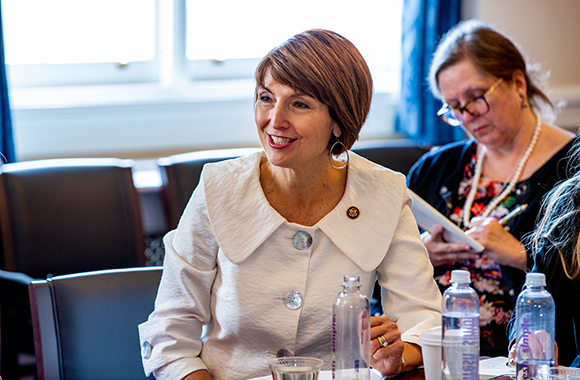
Today is the first Food Day, a grassroots event organized by the Center for Science in the Public Interest (CSPI).  Senator Tom Harkin (IA) and Congresswoman Rosa DeLauro (CT), both long-term supporters of healthy eating and the federal government’s nutrition programs, are Honorary Co-Chairs of the event.

Food Day is founded on six basic principles:

  • Reduce diet-related disease by promoting safe, healthy foods
  • Support sustainable farms and limit subsidies to big agribusiness
  • Expand access to food and alleviate hunger
  • Protect the environment and animals by reforming factory farms
  • Promote health by curbing junk-food marketing to kids
  • Support fair conditions for food and farm workers

Because Food Day is based on grassroots organizing, there are Food Day events being held all over the country today (find some in your area).  Whether you attend a restaurant serving up a special Food Day menu, play a Food Day game or simply cook a special meal for your family at home, everyone can participate in Food Day. It is an excellent opportunity to reflect on the important role that healthy, wholesome, affordable food plays in the lives of each one of us. Happy Food Day!

LifeSmarts, Visa score with Financial Football partnership – National Consumers League

By Brandi Williams, LifeSmarts Program Manager

I admit it – I don’t know anything about football. When my colleagues talk about “the big game” over the weekend, or “that really awesome play” from last night’s sporting event, I struggle  to remember if the Washington Cardinals are a baseball or basketball team. I just nod, pretend to understand the sports-related conversation, and hope no one realizes it’s  all completely over my head.

So when I learned about Financial Football, Visa Inc.’s financial literacy video game, I was a little apprehensive. Actually, I was a lot apprehensive. I love video games, but I’m more of a “tap all the buttons and hope it turns into a combo” kind of player, so the idea of playing a video game that involved sports was intimidating. But I forged ahead, reminding myself that Financial Football, like NCL’s LifeSmarts program, while designed as a competition, was also meant to be fun.  And it was! After a few minutes, I was well beyond the confusion and, instead, actually enjoying the game.

That was a few years ago. Earlier this year, when Visa Inc. partnered with the National Consumers League to launch a financial literacy campaign in Washington, DC, I was super excited. After all, back in 2008 the DC Council passed legislation to require financial literacy education in DC public high schools, and Financial Football, like NCL’s LifeSmarts program, uses a fun and fast-paced competition set-up to educate teens about financial literacy issues and promote smart money-management skills.

With support from DC’s Executive Office of the Mayor and NFL’s Washington Redskins, NCL and Visa Inc. launched the campaign in DC on October 18 at Wilson High School with a live game of Financial Football. Mayor Vincent Gray and Washington Redskin Brian Orakpo led a team of 20 student athletes against a second team of 20 student athletes led by Gail Hillebrand, Associate Director of Consumer Education and Engagement for the Consumer Financial Protection Bureau, and Josh Wright, Acting Director for the Office of Financial Education and Financial Access in the Department of the Treasury.

The students were wary at first, but Coaches Gray, Orakpo, Hillebrand and Wright were so personable and friendly, and having such a great time themselves, that the students were immediately put at ease, and soon enough the teams were huddling to discuss 529 plans, telemarketers, checking accounts and auto insurance, with high-fives and shouts of “SCORE!” when the correct answer was given. Jason Alderman, Senior Director of Global Financial Education at Visa Inc., served as the dynamic quiz-master/referee and not only did he keep the game moving forward quickly, he kept the kids smiling and laughing, and encouraged them to discuss the questions and ask for guidance from their adult coaches. I knew the importance of financial literacy was getting through to these kids when one young man whispered to Mayor Gray, “Can you explain to me what a whistle-blower is?”

Despite the game’s football theme, it was still a simple format to follow – and if someone completely ignorant of sports (like me) can follow along, then anyone can – making Financial Football the perfect complement to the LifeSmarts program and a great resource for Personal Finance topics. In fact, NCL’s partnership with Visa Inc. is allowing LifeSmarts to expand its free Personal Finance educational materials.

I’d say this is a win-win for everyone. Goal!

Or maybe I meant touchdown?

NCL statement on IOM’s front-of-package labeling recommendations – National Consumers League

October 20, 2011

Contact: NCL Communications, (202) 835-3323, media@nclnet.org

Washington, DC–The National Consumers League (NCL) has released the following statement regarding the Institute of Medicine’s (IOM) proposal for front-of-package labeling:

“The National Consumers League applauds a report issued today from the IOM on Front-of-Package labeling, entitled ‘Front-of-Package Nutrition Rating Systems and Symbols: Promoting Healthier Choices.’ The IOM suggests implementing a simple point system for front-of-package labeling, with points given for the levels of sugar, salt, and fat in an item, with scores ranging from zero (the least healthy) to three (the most healthy).

NCL believes the report is a common-sense approach to front-of-package labeling. This system would provide consumers with clear, simple information which would allow them to compare foods at the grocery store and make healthy choices more easily. NCL urges the Food and Drug Administration (FDA) to examine the IOM’s proposal and implement a consumer friendly front-of-package labeling requirement.”

###

About the National Consumers League

The National Consumers League, founded in 1899, is America’s pioneer consumer organization. Our mission is to protect and promote social and economic justice for consumers and workers in the United States and abroad. For more information, visit www.nclnet.org.

Leading consumer, worker advocates honored at 2011 Trumpeter Awards Dinner – National Consumers League

Each year, the National Consumers League honors outstanding individuals whose hard work and dedication has resulted in improving the lives of consumers and workers throughout the country. For more than 30 years, the Trumpeter Award has recognized leaders who are not afraid to speak out for social justice and for the rights of consumers. (View a photo album of this year’s awards celebration.)

“The Trumpeter Award is NCL’s highest honor, given to leaders who are not afraid to speak out for social justice and for the rights of consumers. No one fits that description better than Dr. Peggy Hamburg and Randi Weingarten,” said NCL Executive Director Sally Greenberg. “Their dedication to improving the quality of life for workers and consumers in the United States has earned them this year’s Trumpeter Award.”

Randi Weingarten delivered a fiery address; noting that that the country is at a “crossroads” and issuing an inspiring call to action that received a standing ovation from the dinner audience.

“I’m honored to accept this Trumpeter Award, but a Trumpet Award is about voice,” said Weingarten. “I am up here to ask you, regardless of which arena you work in, to fight for Americans, fight for voice, fight for economic opportunity, fight for educational opportunity! That is our collective goal; that is what we need to do over the next several months!”

FDA Commissioner Dr. Peggy Hamburg, who was recently named the “21st Most Powerful Woman in the World” by Forbes Magazine, spent the evening reflecting on the FDA’s long-standing partnership with NCL.

“It’s so extraordinary to look back at the shared history of the National Consumers League and the FDA,” said Hamburg. “For over a hundred years, you have advocated for improved drug and food safety laws, understanding—which many don’t appreciate today—that consumer protections can only be built on a foundation of smart and sound regulation.”

Dr. Hamburg also acknowledged NCL’s critical role in helping pass landmark FDA legislation, from the 1906 Pure Food and Drug Act to the more recent Food Safety and Modernization Act, and saluted the FDA and NCL’s century of “shared history, vision, and commitment to the mission of protecting and promoting the health and safety of the American people.”

NCL also honored Paheadra Robinson, Director of Consumer Protection at the Mississippi Center for Justice, with the Florence Kelley Consumer Leadership Award, named for NCL’s early leader and awarded to grassroots consumer advocates. Robinson, a true community activist, has built a coalition aimed at abolishing predatory payday lending throughout the state of Mississippi and co-founded the Mississippi-based Fresh Start Foundation to provide direct financial aid to victims of Hurricane Katrina.

The dinner featured speaking appearances by Ann F. Lewis, President of the No Limits Foundation; Jennifer Donelan, reporter with ABC7 / WJLA-TV; and Martha Bergmark, Founding President and CEO at the Mississippi Center for Justice.

A night of impassioned speakers and honorees reminded the diverse audience of labor unions, advocates, and industries what a trumpet is all about. Not a quiet instrument, the trumpet is used to sound warnings, mark celebrations, and announce the presence of special people; the 2011 Trumpeter Awards did all three.


FCC must hold industry accountable to ensure bill shock protections – National Consumers League

October 19, 2011

Washington, DC– Voluntary industry guidelines designed to protect hundreds of millions of American consumers from cell phone “bill shock” will only work if the Federal Communications Commission (FCC) is committed to holding the wireless industry accountable, according to the National Consumers League (NCL), the nation’s pioneering consumer organization.

The voluntary guidelines announced this week by the FCC, CTIA and Consumers Union reflect the fact that tens of millions of consumers are victims of wireless “bill shock” every year.  The combination of rapidly growing wireless data usage by consumers and the embrace of data caps by many carriers underscore the urgent need for greater consumer protections in this area. The public record is replete with horror stories of consumer bills in the thousands of dollars.  Independent data from the FCC and General Accountability Office and consumer groups indicate that millions more experience smaller “bill shocks.”

“The new ’bill shock’ guidelines will only protect consumers if the FCC holds the cell phone companies’ feet to the fire,” said NCL Executive Director Sally Greenberg. “We are pleased that the Commission has left its ‘bill shock’ proceeding open as a stick to ensure industry compliance.”

The new guidelines reflect many of the common-sense solutions that NCL and other consumer and public interest groups called for in comments at the FCC.  In particular, we are encouraged that the new alerts will be provided free of charge and without the need for consumes to opt–in to receive the notifications.  It remains to be seen how the new guidelines will be implemented and how consumers will be able to respond to the new notifications.

NCL’s comments on “bill shock” are available here.

NCL’s reply comments on “bill shock” are available here.

###

About the National Consumers League

The National Consumers League, founded in 1899, is America’s pioneer consumer organization. Our mission is to protect and promote social and economic justice for consumers and workers in the United States and abroad. For more information, visit www.nclnet.org.

Debunking the “fast food is cheaper” myth – National Consumers League

By Sally Greenberg, NCL Executive Director

Cookbook author Mark Bittman’s enhanced presence on nutrition issues is a welcome addition to the discussion about healthy foods and the obesity epidemic in America. In a recent New York Times article, he dispels the myth that junk food is cheaper than real food.

He compares a $27.89 meal for a family of four at McDonalds – 2 Big Macs, 1 cheeseburger, 1 6 pc Chicken McNuggets, 2 medium and 2 small fries and 4 cokes – with what a comparable meal prepared at home would cost: a roast chicken, potatoes and salad for four would run $13.78; an even cheaper alternative – pinto beans and rice would run $9.26 for four. The at-home meals are healthier – have less carbohydrates and more protein than the McDonalds version.

Having debunked the “fast food is cheaper” argument, Bittman’s laments that Americans have gotten out of the habit of shopping and cooking at home; they are tired and hungry at the end of the day and go for the easiest alternative. “Somehow, no-nonsense cooking and eating – roasting a chicken, making a grilled cheese sandwich, scrambling an egg, tossing a salad – must become popular again,” he writes.

I’m with Bittman one hundred percent. The fact is that there is much joy in shopping and cooking and it can be done in relatively little time. It’s also a terrific learning opportunity for kids. They need to know how to shop for quality products; they need to know how to pick out ripe fruits and vegetables, quality meats and fish, bread that’s wholesome and fresh, and high quality dairy products. And kids like to help in the kitchen – they can wash lettuce, and other fruits and vegetables, help prepare a marinade for meat or fish, and I guarantee that they will like chopping things that aren’t too hard to prepare! They also keep you company!

Bittman’s simple research on cost of fast food vs. homemade meals reminds us of how far we’ve strayed from home cooked meals where the family enjoys dinner together. This is a good – no a great –tradition that we should try to reinvigorate for the next generation.

Sure, eating fast food from time to time is inevitable – even Julia Child admitted when she was on the road and had few other choices she enjoyed a Burger King Whopper! But fast food should not be a staple in our daily routines. It’s inevitably high sodium, high fat, expensive, and poor quality. Bittman’s recommendations for buying wholesome grocery store foods and cooking them simply and quickly, then eating together as a family, is a great place to start.

NCL announces major LifeSmarts grant from Visa Inc. during personal finance month – National Consumers League

October 18, 2011

Contact: NCL Communications, (2020 835-3323, media@nclnet.org

Washington, DC—With this year’s national LifeSmarts competition in full swing, the National Consumers League (NCL), the nation’s oldest consumer organization and coordinator of LifeSmarts, has announced that the program will be the recipient of a unique three-year educational grant from Visa Inc., making Visa a major underwriter for the 2011-2013 LifeSmarts program years.

The 2011-2012 LifeSmarts program year kicked off last month, and high school students across the country are forming teams to compete online for a shot at their state—and ultimately the national—competitions. In thousands of classrooms, teachers use LifeSmarts learning activities to spark lessons and engage students with meaningful consumer content, awareness of resources, and the ability and confidence to participate in today’s dynamic global marketplace.

In October, the LifeSmarts curriculum spotlight is on personal finance, with online competitions and activities aimed at helping program participants learn strategies for navigating today’s increasingly complex financial landscape. The Visa grant will be used, among other things, to add new personal finance lessons to LifeSmarts U, the program’s virtual classroom, from Visa’s award-winning Practical Money Skills for Life financial education program (www.practicalmoneyskills.com). LifeSmarts U provides interactive online learning for individual students and classrooms across the United States, allowing students to go in-depth on important consumer issues. New content includes lessons on living on your own, the influence of advertising, consumer privacy, and consumer awareness.

“LifeSmarts U lessons offer students learning materials in a variety of fun formats, from articles to scavenger hunts and vocabulary building games and presentations,” said Lisa Hertzberg, LifeSmarts Program Director. “We are grateful for Visa’s generous support in making these valuable resources available to students and educators.”

In addition, LifeSmarts has partnered with Visa and the Executive Office of the Mayor of Washington, DC for a District-wide financial literacy campaign. Today, DC Mayor Vincent Gray and Washington Redskins Linebacker Brian Orakpo will lead student teams in a fast-paced game of Financial Football, a free educational video game developed by Visa. Mayor Gray will then distribute the free game and accompanying classroom curriculum to every public middle and high-school in Washington, DC. Today’s launch is part of a national educational campaign with Visa, the NFL and NFL Players, now in its seventh season. Since 2006, Visa has partnered with 30 additional states to distribute Financial Football to every high school and middle school in those states.

“Visa is a proud supporter of the National Consumers League’s LifeSmarts program and is pleased to be able to underwrite new content that will help bolster its personal finance curriculum,” said Jason Alderman, Senior Director, Global Financial Education at Visa.

LifeSmarts—the ultimate consumer challenge—complements the curriculum already in place in middle schools and high schools, and is used by adult coaches and student participants as an activity for classes, groups, clubs, and community organizations. LifeSmarts, run as a game-show style competition, is free of charge and open to all teens in the U.S. in high school and middle school.

Visa’s three-year grant to LifeSmarts will help bolster the program’s personal finance focus – one of five LifeSmarts topic areas that make up the program. Expansions to the personal finance portion of the program include new quiz questions to be used in competitions online and at the state and national level; incorporation of Visa’s Practical Money Skills for Life and Financial Football as resources and study tools for coaches and students; and implementation of Visa materials at a training for educators to be held in early 2012 in the District of Columbia.

LifeSmarts topics have been chosen to encourage knowledge in the areas that matter most to consumers and workers: personal finance; health and safety; the environment; technology; and consumer rights and responsibilities.

Financial support from contributors such as Visa makes LifeSmarts possible. Community-minded businesses, associations, labor unions, government agencies, other organizations and individuals—partner with NCL to provide the benefits of meaningful consumer education for young adults.

To learn more about NCL’s LifeSmarts program, visit www.lifesmarts.org. Or, test your LifeSmarts by taking a sample quiz at https://start.lifesmarts.org/. From there, click on “Daily Quiz” to get started.

###

About the National Consumers League and LifeSmarts

The National Consumers League, founded in 1899, is America’s pioneer consumer organization. Our mission is to protect and promote social and economic justice for consumers and workers in the United States and abroad. For more information, visit www.nclnet.org.

LifeSmarts is a program of the National Consumers League. State coordinators run the programs on a volunteer basis. For more information, visit: www.lifesmarts.org, email lifesmarts@nclnet.org, or call the National Consumers League’s communications department at 202-835-3323.

NCL hails CA Gov. Brown for signing new law to combat employee misclassification, an illegal form of wage theft – National Consumers League

October 12, 2011

Contact: NCL Communications, (202) 835-3323, media@nclnet.org

Washington, DC—The nation’s oldest consumer organization, the National Consumers League (NCL), today lauded California Governor Jerry Brown for signing into law Senate Bill 459, an employment bill addressing employee misclassification. NCL has been advocating for tougher wage theft penalties and sent Governor Brown a letter urging him to sign S.B. 459 in September of this year.

The harm caused by employee misclassification—where an employer knowingly classifies an employee as an independent contractor to avoid paying taxes and employee benefits—goes beyond workers and their families to victimize everyone from honest businesses to state treasuries and the federal government. Employees who are misclassified as ‘independent contractors’ are denied key worker rights, such as minimum wage protection, overtime pay, workers’ compensation, unemployment insurance, and anti-discrimination protections.

Employers who illegally classify their workers as independent contractors shortchange the government by skirting payroll taxes and Social Security & Medicare, while also giving unscrupulous businesses a competitive advantage by enabling them to offer their services at a lower cost than honest employers; leaving lawful businesses paying higher rates of workers’ compensation and losing out on bids.

Between 2005 and 2007, audits conducted by the California Employment Development Department recovered a total of $111,956,556 in payroll tax assessments, $18,537,894 in labor code citations, and $40,348,667 in assessments on employment tax fraud cases.  With increases in employee misclassification, California is likely losing out on over $112 million in badly needed state revenue.

California Senate Bill 459 will establish monetary penalties for businesses that misclassify their workers. The new law imposes fines that range from $5,000 to $15,000 for each misclassification violation for first time offenders and $10,000 to $25,000 per violation for repeat offenders.

“Laws like the one recently passed in California are an important step towards ensuring that American workers receive what they are lawfully owed,” said Michell K. McIntyre, Project Director of NCL’s Special Project on Wage Theft.  “Wage theft occurs in industries across the board and the only way to fight back is to hit unlawful businesses where it hurts the most- the pocket book.”

To read NCL’s letter to Governor Brown, click here.

###

About the National Consumers League

The National Consumers League, founded in 1899, is America’s pioneer consumer organization. Our mission is to protect and promote social and economic justice for consumers and workers in the United States and abroad. For more information, visit www.nclnet.org.

NCL statement on government guidelines on food marketing to children – National Consumers League

October 12, 2011

Contact: NCL Communications, (202) 835-3323, media@nclnet.org

Washington, DC—The National Consumers League (NCL) has issued the following statement regarding the voluntary guidelines issued by the Interagency Working Group on Food Marketing to Children:

“NCL, the nation’s oldest consumer advocacy organization, commends the Interagency Working Group for its thoughtful, science based recommendations.

The Interagency Working Group, made up of the U.S. Department of Agriculture, the Food and Drug Administration, the Centers for Diseases Control and Prevention and the Federal Trade Commission, issued voluntary guidelines earlier this year.  These recommendations to the industry are based on sound science and established certain nutrition thresholds for the marketing of food to children.  These thresholds would promote the marketing of healthy foods and discourage the marketing of foods low in nutritional content or high in fat, sugar or sodium.

The food industry has reacted negatively to these guidelines without justification.  One of the major criticisms is that these recommendations are “backdoor” regulation, despite the fact that the Interagency Working Group’s recommendations are completely voluntary.

NCL urges the Interagency Working Group to maintain strong guidelines and to continue to base their recommendations on sound science.  With nearly one-third of our children overweight or obese, concrete steps must be taken.  The Interagency Working Group’s science based recommendations are a first step and NCL strongly supports them.”

###

About the National Consumers League

The National Consumers League, founded in 1899, is America’s pioneer consumer organization. Our mission is to protect and promote social and economic justice for consumers and workers in the United States and abroad. For more information, visit www.nclnet.org.