National medication adherence campaign marks first anniversary – National Consumers League

May 17, 2012

Contact: NCL Communications, (202) 835-3323, media@nclnet.org

Washington, DC—The National Consumers League (NCL), the United States Surgeon General, and health care allies are celebrating the first anniversary of the national medication adherence campaign, Script Your Future, launched in May of 2011. The Script Your Future campaign addresses the need for tools and resources to support improved medication adherence across the country and to open dialogue between health care professionals and patients about the health consequences of non-adherence.

Poor medication adherence is a $290 billion problem annually, with three out of four Americans reporting that they do not always take their medication as directed, and causing more than one-third of medicine-related hospitalizations and nearly 125,000 deaths in the United States each year.

At an event in Washington, DC today, the National Consumers League is convening the more than 100 Committed Partners of the campaign to celebrate the reach of the first year, honor Partners’ ongoing support for the Script Your Future campaign, and call for renewed commitment to expanding the campaign’s efforts. Rear Admiral Scott Giberson, Chief of the U.S. Public Health Service Pharmacy Category and Assistant Surgeon General, will represent U.S. Surgeon General Regina Benjamin, who will congratulate campaign staff and supporters for their successes via pre-recorded video greeting.

To date, through its dynamic Web site, public service announcements, materials distributed directly to consumers and health care providers across the country, social media communities, text message alert services, local field organizers on the ground in six regional target markets, and its Student Pharmacist Challenge, the Script Your Future campaign has seen more than 300 million media impression and interfaced directly with tens of thousands of health care professionals and patients, many of whom have taken the pledge to take their medicines as directed at www.ScriptYourFuture.org.

“Our national challenge is to prevent poor health outcomes and to become a healthy and fit nation. One way is for the health care community and patients to come together to address the serious issue of medication non-adherence,” said Dr. Benjamin. “As a family physician, I know that conversations between clinicians and their patients are key to patients understanding why taking their medication correctly is so important, particularly in chronic health conditions such as diabetes, asthma and high blood pressure. The tools offered through NCL’s Script Your Future campaign empower patients to talk with their health care teams about their medication questions and concerns. “

“Patients often have understandable reasons for not taking their medicine as directed, from concerns about side effects to the out-of-pocket costs of prescriptions to difficulty finding time to call or visit the doctor to get a prescription renewed, but the more a patient understands the impact medication has on their health, the more likely their adherence will improve. Script Your Future is working in communities across the country to encourage more conversations about the health consequences of non-adherence and to provide patients and their health care professionals with tools and resources to help improve adherence among patients with chronic conditions like high blood pressure, diabetes, and asthma,” said Rebecca Burkholder, Vice President of Health Policy for the NCL.

Script Your Future has brought together stakeholders in health care advocacy, business, and government to help health care professionals strategize about better communication with patients and to offer practical tools for patients themselves to help them better adhere to their medication. The campaign has focused its efforts both nationally and in six regional target markets (Baltimore, Birmingham, Cincinnati, Providence, Raleigh, and Sacramento), where it is piloting interventions, outreach activities, research and advertising.

Script Your Future tools include free text message reminders, sample questions for patients to ask health care practitioners, medication lists, condition management sheets, and fact sheets on common chronic conditions. All of these materials can be found on the campaign website, www.ScriptYourFuture.org.

The Script Your Future wallet card, which provides a medication list, and questions for patients to ask a pharmacist or doctor about their medication, has proved popular with more than a quarter of a million disseminated to consumers to date.

“We give Script Your Future wallet cards to everybody we sit down with, every time we conduct a medication review. They’re perfectly convenient, simple to use and such a great tool to help many of our patients begin making a conscious effort to not only take their medications as prescribed, but live the healthy lifestyle they need,” said Patrick Devereux, PharmD. FMS Pharmacy, Birmingham, AL.

In the next two years, Script Your Future will continue to build on the partnerships developed and extend the reach of the campaign, on the strength of its 100-plus partners, and the on-the-ground outreach of field organizers in target markets.

To learn more about Script Your Future, visit www.ScriptYourFuture.org, or to get involved, contact Mimi Johnson at mimij@nclnet.org.

To view NCL’s digital report about year one of the Script Your Future campaign, visit www.ScriptYourFuture.org/YearOne.

###

Script Your Future is a campaign of the National Consumers League (NCL), a private, non-profit membership organization founded in 1899. For more information about the Script Your Future campaign, visit www.ScriptYourFuture.org. For more information about NCL, please visit www.nclnet.org.

Hawaii teacher from ‘Iolani High School named 2012 LifeSmarts Coach of Year – National Consumers League

May 17, 2012

Contact: NCL Communications, (202) 835-3323, media@nclnet.org

Washington, DC—The Board of Directors of the National Consumers League has announced the outstanding teacher, student, and volunteer coordinator of the 2011-2012 season with its annual “Of the Year” awards. Coach James Rubasch, a math and personal finance teacher at ‘Iolani High School in Honolulu, HI, was named the 2012 Coach of the Year, nominated by his students for his enthusiastic support and motivation. A student from Texas and the Kansas State Coordinator took the other awards.

LifeSmarts is a program run by the Washington, DC-based NCL, the nation’s oldest consumer advocate. It competitively tests high school students’ knowledge of consumer awareness, with subjects including personal finance, health and safety, consumer rights and responsibility, technology, and the environment. The 2011-2012 LifeSmarts season recently came to a close with the national competition in Philadelphia, PA, in April, where the NCL Board of Directors honored deserving individuals for their exemplary work and commitment to the program.

In his third year coaching LifeSmarts teams from Hawaii, Rubasch was nominated by his students for pushing them to learn LifeSmarts materials both for the competition and for the knowledge itself and for his emphasis on encouraging good sportsmanship.

Rubasch’s belief in the program’s value is apparent: “Lifesmarts is valuable for all young people.  All of the categories have critical information that help young people understand the world around them,” he said. “I would like to see it expand to more schools in our state and across the country. It begins with the adults – because the kids love it.”

“James is one of those LifeSmarts coaches whose success in making it to the National Championship is clearly due to his enthusiasm for and dedication to the program – and the way he uses that to motivate his students,” said Lisa Hertzberg, LifeSmarts Program Director.

2012 Coordinator of the Year: Angela Howdeshell, Kansas

Angela Howdeshell, with the Kansas Council on Economic Education, has been named the 2012 LifeSmarts Coordinator of the Year for her long-standing commitment to growing the program in her state. Howdeshell, who has been with LifeSmarts since 1999, has grown her program to be one of the states with the highest participation rate. Her annual state competition is an exciting event, and she adopted the Junior Varsity program when LifeSmarts launched it in 2007.

“We have now had students who have participated in LifeSmarts since 6th grade.  It has been fun seeing some of these students grown up and become great LifeSmarts fans,” said Howdeshell, who says her current goal is to expand the Kansas program to have a presence in each of the state’s 105 counties.

“Howdeshell’s state champion coach has credited her with being ‘the reason LifeSmarts is alive and well in her state,’” said NCL Executive Director Sally Greenberg. “It’s people like Angela who enable NCL’s LifeSmarts program to successfully rear a generation of consumer-savvy teenagers who often outsmart their parents on issues related to avoiding fraud, credit and debt, and complicated health care decisions.”

2012 Student of the Year: Marissa Lozoya, FCCLA team

Marissa Lozoya, a junior from Friona High School in Friona, Texas, and captain of the national Family, Career and Community Leaders of America team, was selected as the 2012 Student of the Year at the National Championship in Philadelphia. Nominated by her coach as a leader on her team, in her FCCLA organization, and at her school, Lozoya was credited with organizing team practices, gathering research and study materials, and helping to spread the word about LifeSmarts to new audiences including her local school board and via workshops at an FCCLA leadership conference.

Lozoya says her three years participating in LifeSmarts has made her into the student she is today. Her determination and commitment to being successful in the competition has pushed her team towards success: “We decided as freshmen that we wanted to make it to Nationals. We finished second last year at the state contest and we were the runner-up in the FCCLA challenge,” said Lozoya. “We trained from the day school started until the day before we left for Philadelphia. We were happy that we qualified in the challenge.”

“Marissa stood out to judges as highly deserving of the 2012 Student of the Year award,” said Hertzberg. “She is a leader on her team, going above and beyond the role of captain. She has also been invited to join the LifeSmarts Student Advisory Board for the upcoming year, and we look forward to working with her and her coach Gayle Murdock, the FCCLA Advisor at Friona, in that capacity.”

###

About LifeSmarts and the National Consumers League

LifeSmarts is a program of the National Consumers League. State coordinators run the programs on a volunteer basis. For more information, visit: www.lifesmarts.org, email lifesmarts@nclnet.org , or call the National Consumers League’s communications department at 202-835-3323. The National Consumers League, founded in 1899, is America’s pioneer consumer organization. Our mission is to protect and promote social and economic justice for consumers and workers in the United States and abroad. For more information, visit www.nclnet.org.

Times op-ed ‘too little, too late’ – National Consumers League

By Sally Greenberg, NCL Executive Director

We read with mixed feelings Sunday’s New York Times op-ed (“What if it weren’t called pink slime?”) by Philip Boffey about the loss of jobs at Beef Products Inc. BPI is the company nearly driven out of business because of unjustified media hype about so-called “pink slime”. NCL was one of the groups Boffey mentioned that came to the defense of  BPI’s product, “lean finely textured beef” (LFTB), not only  because the company has been a leader in food safety but also because LFTB – which uses trimmings previously considered waste or used for tallow only–is both safe and nutritious, as well as lean.

While we applaud Boffey  for taking a dispassionate look at the this unfairly maligned product—as well as cooking up hamburgers made with BPI’s product and attesting to their good taste—there’s some irony that he is commenting on “pink slime” in his position as a New York Times writer.  Boffey’s Times colleague, Michael Moss, whom Boffey also mentions, wrote a piece in 2009 that helped to fuel the attack on BPI, a piece full of negative reporting on the company’s use of ammonia to kill e. coli. That along with other media hype about “pink slime”—which without justification suggested it was inedible or unsavory for America’s families – has indeed meant a loss of jobs at BPI—nearly 650 to date—and an ad hominem attack on a safe, low-fat, and tasty beef product.  So Boffey’s wistful reflections on what happened to BPI through media hype and hysteria comes too little and too late. The damage is done, and it’s unclear whether a company with a good safety record that makes a good product will survive. What a shame.

DOL withdraws much-needed child safety protections for children working for wages on farms – National Consumers League

The safety of child workers on farms was dealt a harsh blow in April 19 when the Obama administration unexpectedly announced that it was withdrawing long-awaited occupational child safety rules for agriculture.

NCL and the Child Labor Coalition, which NCL co-chairs, has been a leader in the fight for protections against hazardous work in agriculture—well known among safety experts as the most dangerous industry that large numbers of children are allowed to work in.

Each year, 85 to 100 youth die on farms, mostly through accidents on family farms.  In 2010, twelve of the 16 children killed while working for wages died performing agricultural work. “There are specific jobs on farms that can be incredibly dangerous for children and teens,” said Sally Greenberg, NCL’s Executive Director and Co-Chair of the CLC. “The Department of Labor rules addressed those dangerous farm tasks.”

The proposed agricultural rules, called hazardous occupations orders, had not been updated by the Department of Labor for more than four decades. They specifically targeted the farm jobs that kill the most workers: driving tractors, handling stressed or enraged livestock, working from heights, and laboring in grain facilities. There were 15 rules in all.

Children 14 and 15 would still be allowed to drive a tractor but they would be required to take a comprehensive safety course instead of the superficial course current regulations allow. They would not be allowed to castrate or brand animals or work from heights above six feet because of the dangers posed by falls.

“They are long over-due, badly needed protections,” said Greenberg. “These rules emanated from painstaking research conducted by the National Institute of Occupational Safety and Health that tracked injuries and fatalities among youth workers. We estimate these common sense rules would have saved 50-100 children over the next decade.”

The proposed rules exempted children working for their parents on a family farm, but that didn’t stop the Farm Lobby from complaining that the rules “would kill the family farm.” Kids would not be able to work for wages on incorporated family farms or for uncles and grandparents, the lobby charged. DOL Secretary Hilda Solis announced months ago that kids working on a parent’s farm would be exempted even if that farm was incorporated and when the protests continued she said publically that the “parental exemption” would be “re-proposed” to exempt children working on relatives’ farms.

The fact-checking Web site Politifact looked into the arguments of the rules opponents and declared them to be “misleading” and “mostly false.”

These clarifications had little impact and a misinformation campaign against the rules continued unabated. Hundreds of articles appeared in the farm press, suggesting that the rules were over-reaching and suggesting that they would prohibit children from using flashlights or water hoses. NCL, the CLC, and its members and campaign partners–the Association of Farmworker Opportunity Programs, Human Rights Watch, First Focus and the American Federation of Teachers—responded with facts to correct the avalanche of inaccuracies.

CLC members organized a press conference that featured gripping testimony from the aunt of Alex Pacas, a 19-year-old who suffocated in a grain bin that also claimed the life of a 14-year-old Wyatt Whitebread. They reminded the public about the two 17-year-olds who lost their legs in a grain augur last summer. The proposed rules would have prevented minors from working in grain facilities, responsible for 26 deaths in 2010. The CLC, its members and advocacy partners organized the community of support for the rules and sent Secretary Solis a support letter with over 155 groups signed on. The list included the country’s major unions, nearly all farmworker groups, and dozens of child welfare organizations.

“Despite our best efforts, the opponents of these common sense rules portrayed  the government as bent on destroying the family farm,” said Reid Maki, Coordinator of the CLC.

Our campaign to support the proposed rules was pleased to welcome two Missouri farmers, Bryce Oates and Jake Davis, who reminded fellow farmers how dangerous agriculture is for child workers and argued that the rules were badly needed. They said the protections would have little impact on the ability of farmers to train the next generation of farmers, and they upbraided farm industry opponents for creating fear through a misinformation campaign that ultimately endangered farm children.

In the week before the rules were withdrawn, a conservative blogger went so far as to say the rules would prevent chores on farms. The charge was blatantly untrue, but within a few hours it was retweeted 2,000 times. Even former vice presidential candidate Sarah Palin weighed in with inflammatory rhetoric that the rules represented an attempt to “destroy America.” The bigger the exaggeration, the more play it received in social media.

With conservative members of Congress echoing many of these claims, the DOL unfortunately felt that it had to withdraw the rules and that they would not be reissued during the Obama administration. “It was devastating news for our community,” said Maki.

Out of this debate came some very useful perspectives. Writing in a New York Times online op-ed May 7, 2012, historian Marjorie Elizabeth Wood found parallels to a misinformation campaign used to defeat child labor reforms championed by the National Consumers League in the 1920s:  “…by shifting the debate to red herrings — the supposed downfall of the private farm, and correspondingly of parental authority and rural ways of life — the opposition managed, as it has again now, to distract us from the real problem of exploitative child labor on farms.”

There was also enlightened perspective from one of the most important farm state newspapers, the Minneapolis Star-Tribune, argued in an editorial, “When Political Rhetoric Trumps Child Safety,’ that the abandonment of “the entire safety reform effort because of public outcry from special-interest groups put political gain above children’s well-being, and that should never be the case.”

“Despite this painful setback,” said Greenberg. “NCL and the CLC will press on and continue the fight to protect children working in agriculture. As Martin Luther King once said, ‘the arc of the moral universe is long but it bends toward justice.’ Children who work on farms deserve protection.

Script Your Future: stories from the field – National Consumers League

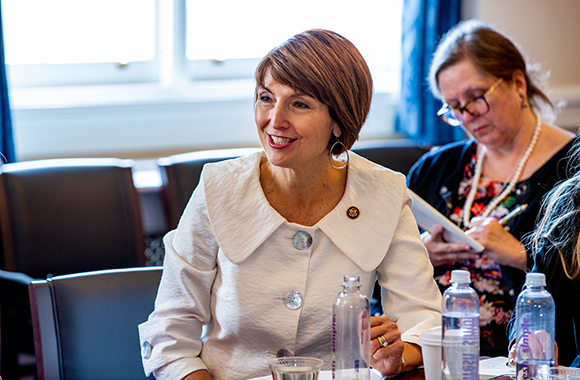
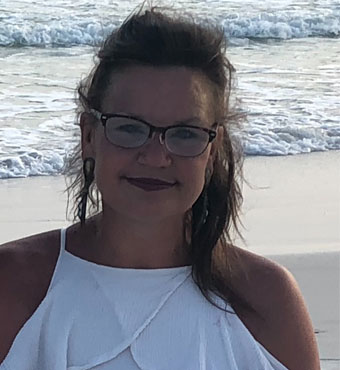
NCL’s Script Your Future campaign is celebrating an exciting, successful year of bringing positive messages about the need for medication adherence to communities across the country. We’ve met many patients and health care professionals and heard how the campaign has touched them. Meet some of the faces of Script Your Future!


Sacramento

Maureen Lloy Groux is a clinical pharmacist for a major health system in Sacramento. Using medication counseling and the Script Your Future wallet card, she saved the life of a non-adherent heart patient. The patient had been off of his medication for 5 days when he came in for a refill, and after talking with Maureen and filling out a medication list Maureen convinced him to call his physician. Turns out the patient needed emergency surgery to insert a new stent. He lived, and actually came back to visit Maureen, telling her that he appreciated the importance of taking his medicine as directed.

Raleigh

Patti Pozella is a pharmacist and teaches courses at the UNC Chapel Hill Gillings School of Global Public Health, with extensive personal experience motivating patients and prescribers to improve adherence. Patti is now using Script Your Future in her courses as an example of a well-executed, comprehensive and integrated campaign on a public health issue.

Providence

Bob S. had his first heart attack in 1998, after which he found himself suddenly on several different, complicated medications. After a frank discussion with his doctor about the importance of adherence, something clicked. “If I followed my doctor’s instructions and took my meds as prescribed, I could have many healthy years ahead of me.” In addition to volunteering with the American Heart Association and Mended Hearts, Bob shares his story with Script Your Future Rhode Island and continues to reach out to cardiac patients about the importance of talking with health care professionals and taking medication as directed.

Cincinnati

Andrea Wall is a pharmacy professor and an associate dean at the University of Cincinnati’s James L. Winkle College of Pharmacy. The School of Pharmacy supports the Script Your Future campaign, and its students have found the campaign’s materials useful, integrating them into their rotations and during outreach events. The experiential education faculty of the University recently voted to incorporate Script Your Future materials and messaging on medication adherence into its required activities when the students are on their clinical rotations.

Baltimore

Jackie Johnson is a Johns Hopkins nursing student. As co-chair of the Script Your Future Baltimore Student Coalition, Jackie has participated in numerous community health events to promote the campaign and often finds that the wallet medication cards serve as one of consumers’ most sought-after tools towards improving adherence. At the Bmore Health Expo in March, Jackie spoke with a patient who had undergone a heart transplant. The patient was extremely grateful to have the wallet card, which she felt would help her better manage the multiple medications that she will take for the rest of her life as a result of the transplant.

Birmingham

Patrick Devereux is an independent community pharmacist in the Birmingham area and a member of the Alabama Board of Pharmacy. When he began disseminating the wallet cards, one of his customers, Beverly W., told him “I’ve had a bad heart for nearly 20 years and need to take medications every day. I appreciate this campaign and the pledge cards because, for people like me, taking medications is a necessary part of life. I’ve never seen cards like this and think we should find ways to get them to everyone who picks up a prescription.”

Early thoughts on return of BOSS ACT – National Consumers League

By John Breyault, Vice President of Public Policy, Telecommunications and Fraud

Last week, Congressman Bill Pascrell *announced his intention to reintroduce the Better Oversight of Secondary Sales and Accountability in Concert Ticketing Act, or BOSS ACT.  While the bill hasn’t been introduced formally, we do have an idea of what will likely be in the bill based on *press accounts from the Paramus Post. This is an important bill for ticket-buying consumers, so let’s dig in to the details.

New provisions

The new BOSS ACT includes the same provisions of the *2009 version of the bill as well as some new parts that seek to address some of the anti-consumer practices that have become more prevalent in recent years. First up, ticket-buying “bot” software:

The bill will make it a crime to use computer software to circumvent the security features of a ticket selling website or flood it with requests. The bill also establishes tough civil and criminal penalties for this behavior, ensuring that this provision will be an effective deterrent.

The bill will create a task force at the Department of Justice dedicated to investigating these crimes

Ticket “bots” are software programs that are used try to get around ticketing website security measures (think captchas, trivia questions, etc.) and flood the ticket queue with requests.  The goal is to buy up choice seats before regular ticket-buyers (i.e., you and me hovering over our mice at 10 a.m. Saturday morning) have a shot at them.  All too often, they succeed. The most infamous of these operators was Wiseguy Tickets, an outfit that used such software to suck up more than 1.5 million tickets that they then resold for more than $25 million in profit before the FTC and state attorneys general caught up with them in 2010.  Unfortunately, there are likely dozens, if not hundreds of Wiseguy clones still cutting the front of the line and sucking up the best seats, particularly for high-demand events.

Many states have already made ticket “bots” illegal.  However, given the interstate nature of most “bots” (they operate on the Internet, after all), it makes sense to address the problem on a national scale.  Just as importantly, the BOSS ACT directs the DOJ to investigate the issue, which should highlight the extent of the problem.  Indeed, getting serious about “bots” is exactly what we invited primary ticketers like Ticketmaster to do when we invited them to a dialogue on this issue earlier this year (still waiting on your response, guys!).

The next two new provisions address an issue that has been an increasingly hot topic in the live event industry over the past year – paperless tickets:

  1. The bill requires a refund option all non-transferrable paperless tickets if requested up to two weeks before date of the event.
  2. The bill further requires that if paperless tickets are made transferrable, one transfer at face value must be permitted with no fees, and requires primary sellers to issue third-party platforms licenses to facilitate transfers if they are permitted over the face value.

NCL has expressed concerns about restrictive paperless tickets that prevent consumers from giving away, trading or selling their tickets.  A two-week refund window may help consumers who buy a paperless ticket and then can’t make the event.

Making transferrable paperless tickets fee-free for the first transfer and requiring the issuance of third-party licenses for resale is a good first step.  We would urge, however, a stronger protection that ensures consumer choice in the secondary market.  New York state has a strong law that requires ticket companies to give consumers the option of purchasing a traditional paper ticket if an event has paperless tickets.

Returning provisions
Primary market regulations

  • Disclosure Requirements – primary ticket seller must make public the total number of tickets offered for sale to the public, disclose all tickets being withheld from public sale (e.g. fan clubs, pre sales, artists allocations) and the number of tickets held back under each method, disclose all ancillary charges to customers when the price of tickets are advertised, and print these charges and total cost on each individual ticket.
  • Prohibits registered ticket brokers from purchasing tickets during the first 48 hours of the primary sale.
  • Requires the primary seller to refund all ancillary charges, in addition to the base ticket cost, when concerts or other events are cancelled.

These are all pro-consumer protections.  In particular, the disclosure requirements will help to shed light on the pernicious issue of undisclosed ticket holdbacks.  It’s a dirty little secret in the concert industry that much of the inventory that appears on the secondary market comes not from ticket “bots” but from tickets obtained through fan club pre-sales, credit card rewards clubs and artist, promoter and venue allocations. Katy Perry, for example, required ticket allocations for resale for her 2011 world tour and the U.K, investigative program “Dispatches” *exposed other cases of ticket holdbacks earlier this year.

Secondary market regulations
Secondary ticket sellers will be required to register with the FTC and provide basic contact information (phone number, address). Each broker will receive a unique identifier number.

Disclosure requirements – secondary ticket sellers must disclose the following information when offering a ticket for resale:

  • The face value of the ticket (including ancillary charges)
  • The original distribution method or how the seller obtained the ticket.
  • The precise location of the seat, or if this information is not available, descriptive information about the location (such as row or section)
  • The broker’s FTC identifier number.
  • A clear statement whether or not the seller possesses the ticket at the time of the sale.
  • Clear indications on secondary resale websites that they offer tickets for resale so that consumers are properly informed.
  • Primary ticketing companies, artists, promoters and their employees will be prohibited from reselling tickets to any event that their employer is involved in hosting, promoting, performing in, or ticketing for more than face value, or reselling tickets to parties with actual knowledge that they have the intention of reselling for higher than face value.
  • Artists, promoters, venues, and primary ticketing sites must disclose publicly when they are selling tickets directly online secondary marketplaces.

These provisions will do much to address the problem of brokers setting up look-alike websites that mimic the sites of venues and confuse customers into thinking that they are buying primary tickets instead of resale tickets. Speculative selling –the practice of selling tickets the seller doesn’t actually have in hand – would also rightfully need to be disclosed.  Sections 4 and 5 essentially prohibit resale above face value by anyone associated with an event and requires that even face value resale by such a person be disclosed.

In sum, the new BOSS ACT has a lot to like from a consumer point-of-view. Getting serious about the ticket “bot” problem is long overdue and the transparency requirements would do much to address the opaqueness of the industry at all levels. We appreciate  Congressman Pascrell’s leadership on this important and often overlooked consumer issue.

The bill’s provisions on paperless ticketing are a good place to begin discussion of this important issue.  We think that the bill could be made even stronger, however, by adopting the New York State standard and required that consumers have the option of getting a transferable paper ticket if an event is using paperless ticketing.

The new BOSS ACT has yet to be introduced formally, so we won’t know for sure what’s in it.  Until then, we’ll be keeping a close eye on developments in Congress that affect the ticket-buying consumer.

*Links are no longer active as the original sources have removed the content, sometimes due to federal website changes or restructurings

Consumer group asks FDA to halt ‘misleading’ nutrition ratings in grocery stores based on ‘secretive’ NuVal scoring system – National Consumers League

May 10, 2012

Contact: NCL Communications, (202) 835-3323, media@nclnet.org

Washington, DC— The nation’s oldest consumer group today filed a formal complaint with the Food and Drug Administration (FDA) about a nutritional scoring system – used in 1,600 stores nationwide – that gives Doritos Tortilla Chips and Ghirardelli “Carmel Turtle Chocolate Brownie Mix” higher nutritional ratings than canned peaches or mandarin oranges.

“The NuVal rating system is fatally flawed and should be discarded,” said National Consumers League Executive Director Sally Greenberg. “Its algorithmic formula – which is not transparent to consumers or the scientific community – results in snack chips, soft drinks, and desserts being given as high or higher nutritional scores than some canned fruits and vegetables. NuVal’s so-called nutritional ratings are a travesty that confuse, rather than enlighten, consumers. We need the FDA to step in and set industry-wide standards. Moreover, the FDA should not allow NuVal or any other flawed nutritional rating system to further confuse consumers who are trying to make healthy decisions for their families.”

The FDA wrote the Grocery Manufacturers Association and the Food Marketing Institute in 2011 setting conditions for use of the trade associations’ “Facts up Front” labeling program. FDA, however, has not taken any public action in regards to NuVal, nor has it published any standard criteria for nutritional rating systems, resulting in a “Wild West” atmosphere that confuses consumers.

NCL’s letter to the FDA cites a myriad of mind-boggling NuVal scores; the higher the score, the more “nutritious” the product – according to NuVal:

  • Tostitos Light Restaurant Style Tortilla Chips made with Olestra (28)
  • Baked Lays Originals Potato Crisps (25)
  • Ghirardelli Caramel Turtle Chocolate Brownie Mix (22)
  • Raley’s Cut Green beans (22)
  • Chug Milk Shake Vanilla (21)
  • Doritos Tortilla Chips (20)
  • Diet Coke (15)
  • Edwards Singles Hot Fudge Brownie with Creamy Ice Cream (13)
  • Cracker Jack caramel coated popcorn (12)
  • Famous Amos chocolate chip cookies (10)
  • Raley’s Diced Pears in Light Syrup (10)
  • Dole Mandarin Oranges in Light Syrup (7)
  • S&W Yellow Cling Peach Chunks in Light Syrup (7)

NCL’s concern is magnified by the fact that the NuVal system is in widespread use. “These misleading ratings in stores nationwide call out for a response from federal regulators. We have to prevent systems like NuVal from spreading misleading nutritional information to consumers. If we don’t, we’re letting down the very people who need us most for nutritional advice: the parents, the seniors and the average consumers trying to get the most nutritional value for their dollar,” said Greenberg.

Read NCL’s letter to FDA, including examples of NuVal scores here.

###

About the National Consumers League

The National Consumers League, founded in 1899, is America’s pioneer consumer organization. Our mission is to protect and promote social and economic justice for consumers and workers in the United States and abroad. For more information, visit www.nclnet.org.

Welch’s point of view on women obnoxious, enlightening – National Consumers League

By Sally Greenberg, NCL Executive Director
Jack Welch, former CEO of General Electric made the pages of the Wall Street Journal this past week for making truly offensive comments to a Task Force organized by the Journal to study why women aren’t better represented in the corridors of power in American business.  Welch’s comments added unexpected fireworks. WSJ  columnist John Bussey covered it like a normal news story, front page of the Marketplace section with the headline “Women, Welch, clash at forum.”
I actually found it amusing – if unbelievable – that this man would have the audacity to go before a group of  very high-powered women and make comments like these:  “Over deliver. Performance is it!”  An angry rumble resonated throughout the room, according to Bussey. Regarding a women’s forum inside GE when he was CEO: “the best of the women would come to me and say I don’t want to be in a special group, I’m not in the victim’s unit.” Then he turned to the audience and quipped: “Stop lying about it. Great women get upset about getting into the victim’s unit.” This isn’t new for Jack Welch apparently; in 2009  he told another audience: “There’s no such thing as work-life balance. There are work-life choices and you make them and they have consequences. “
Welch’s point of view is helpful – if obnoxious – because it shows the many subtle ways in which women are held back in corporate America. NCL is an organization founded by women who fought old-fashioned ideas about  the proper role of women in American society. Florence Kelley, in her letters, talks about women not having the right to vote,  to serve on juries, to earn the same wages as a man despite their often being the family breadwinner, or own property in their own names. Jack Welch’s comments are a reminder that while the face of sexism and discrimination has changed, many sexist attitudes remain. In the meantime, while Jack Welch disses women for taking time off to raise children, he was able to have four children and go full steam ahead:   naturally, because he had a wife at home to raise them. Women usually don’t have that luxury.
But let’s say hats off to the Wall Street Journal for doing something quite incredible: organizing a Task Force of 60 mostly women to study the “XX Factor: What’s Holding Women Back?” This body of academic, business and government leaders met and made  recommendations. The Journal  hired McKinsey and Co. to conduct the research, asking senior executives at these 60  large  companies why they were trying to advance women.  The result is a whole section of the newspaper devoted to interviews with a variety of leaders and recommendations for addressing the problems women face.
Participants included Madeleine Albright, former Secretary of State, Denise Morrison, CEO of Cambell’s Soup, Carol Bartz, former Yahoo CEO, Helena Foulkes of CVS Caremark, Susan Odenthal of Johnson and Johnson and Dee Dee Myers, press secretary to President Bill Clinton.

I read every word and thought only that NCL’s leaders would have been simultaneously appalled at Jack Welch’s ridiculous comments  but delighted that the bastion of business conservatism, the Wall Street Journal, tackled the important issue of women’s advancement in business in what is still, in 2012, largely a man’s world.

NCL comments submitted to Office of Surgeon General on the national medication adherence challenge – National Consumers League

May 7, 2012 

Contact: NCL Communications, (202) 835-3323, media@nclnet.org

Comments submitted by the National Consumers League to the Department of Health and Human Services, Office of the Surgeon General

Washington, DC–The National Consumers League (NCL) developed and is leading Script Your Future, the first campaign to raise awareness among consumers, family caregivers, and health care professionals (HCPs) about the importance of taking medications as directed. Because of the variety of factors contributing to poor adherence and the complexity of the issue, a comprehensive, integrated campaign with broad public and private stakeholder cooperation is needed to provide consistent messaging and support to the consumer and HCPs.

The three-year campaign, which launched in May 2011 with more than 100 Partners, focuses on patients affected by three of the most prevalent chronic conditions—diabetes, respiratory disease and cardiovascular disease. The campaign includes a national communications initiative and targeted outreach in six pilot cities – Baltimore, Birmingham, Cincinnati, Providence, Raleigh, and Sacramento. 

To develop the campaign, NCL reviewed existing research and conducted a series of focus groups and interviews with consumers, HCPs, and family caregivers, to understand attitudes and beliefs about medication adherence, including reasons for poor adherence, and input on messages to promote adherence.

A common thread of communication resonated across patient types in the focus groups. Many patients do not understand their diseases or the consequences of not adhering to a medication regime, and may not recognize the benefits of their medications. Patients responded to the use of direct, factual language to detail the consequences of non-adherence, such as serious health complications and a restricted quality of life, as well as impact on family. While the reasons for non-adherence were varied – including the complexity of managing multiple medications, side effects, no discernible impact, and cost – realizing the consequences of non-adherence resonated with all patients.

Based on the research, Script Your Future is using direct language about the consequences of non-adherence, and provides practical tools and online resources that help patients and HCPs better communicate about ways to improve medication adherence. 

Periodic public opinion research both at the national and regional level is used to inform and evaluate the campaign. A national survey of 1302 adults and a survey of 1800 adults in the targeted cities conducted before the 2011 campaign launch found that:

  • Those who do not “always” adhere are less convinced of the importance of adherence and less likely to have had the consequences of not adhering fully explained.
  • Patients express a high willingness to ask questions and raise concerns about medicines with a HCP, but when asked directly, many admit communication is infrequent.
  • Patients view question lists, automatic refills, reduced co-pays, and pill boxes as the most useful tools to improve adherence

These survey findings confirm the campaign’s emphasis on communicating the consequences of poor adherence, promoting conversations between HCPs and patients, and providing practical tools to support adherence.

It is important that government continue to play an active part in the improvement of adherence, as this multi-faceted issue does not have a single organization “owning” the problem nor a single solution, thus requiring all stakeholders to come together and work collaboratively.

###


Pressure on to reduce 529 college savings plan fees – National Consumers League

By Sally Greenberg, NCL Executive Director

To their credit, a handful of states have moved to improve performance, expand investment choices, and lower fees on the funds parents invest in 529 college savings plans. Nevada is replacing its 529 investment manager with another investment group with lower fees; the group will also add other fund choices; California closed its Fidelity Investment 529 plan and transferred the funds to another manager. Wisconsin is following suit. The beauty of a 529 is that returns from the investments are tax-free if used to pay for qualifying higher education expenses.

What is interesting is that pressure to lower fees for parents investing in 529s is reducing the number of managers interested in getting the business. When California put out their 529 for bids last year, no investment firms applied. In 2011 parents put $18.5 billion into 529 plans. The average new account totaled at $4,565. Average fees in one state – Arkansas – at 0.6 percent are a lot lower than fees on the average adviser-sold investment account, which run more like 1.14 percent of investments.

This close scrutiny of fund options and fees made on behalf of parents is exactly what we should be expecting from those who choose where 529 money is invested. I found this story interesting because it would be great if all investment advisers or funds could be as closely scrutinized for excessive fees and broader choices as states are doing for their 529 parents of college-age kids who have invested in their child’s education.