
NCL expresses concern about Trump Administration’s NBPP rule for 2021

May 26, 2020

Media contact: National Consumers League – Carol McKay, carolm@nclnet.org, (412) 945-3242 or Taun Sterling, tauns@nclnet.org, (202) 207-2832

Washington, DC—The National Consumers League (NCL), the nation’s pioneering consumer advocacy organization, expresses concern about the Trump Administration’s Notice of Benefit and Payment Parameters Rule for 2021.

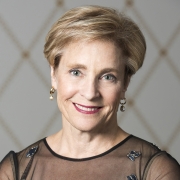
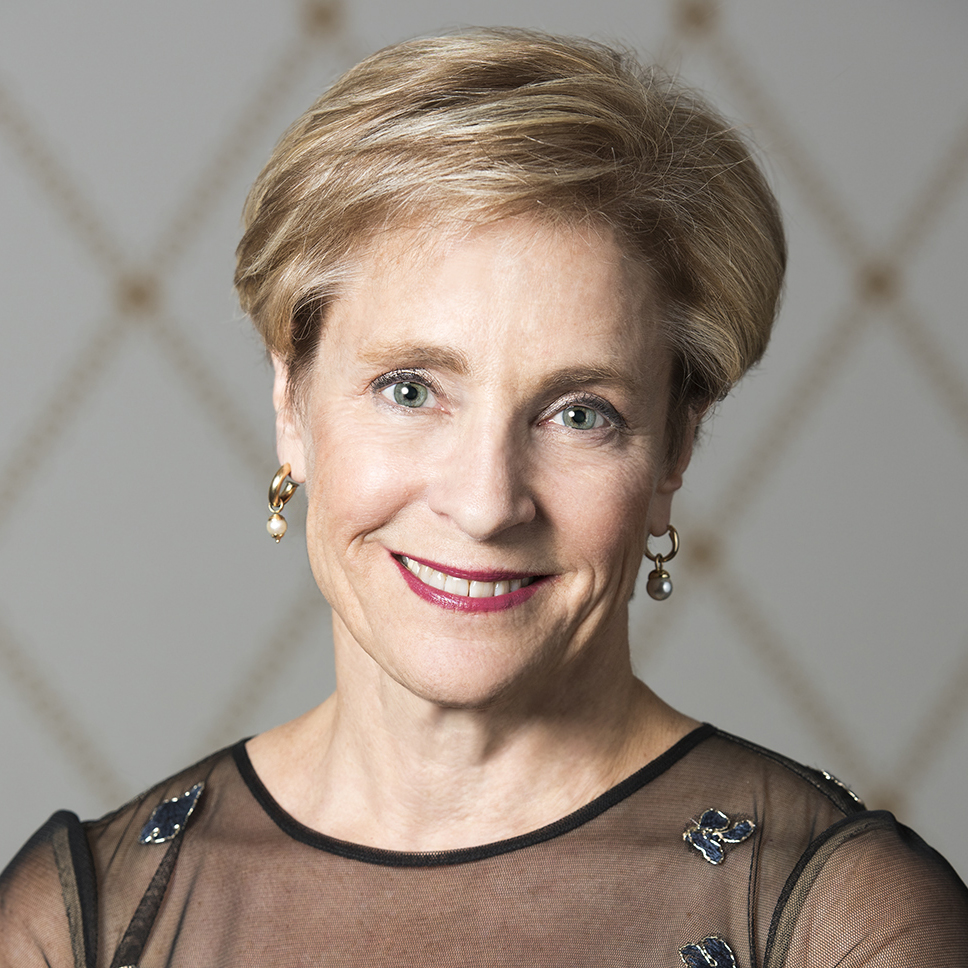
The following statement is attributable to NCL’s Executive Director Sally Greenberg:

“As the COVID-19 pandemic continues to take a toll across the country, consumers should not be subjected to additional obstacles when trying to access the care they need. We are therefore deeply troubled by the Department of Health and Human Services (HHS) decision to permit health plans to use accumulator adjustment programs in its Notice of Benefit and Payment Parameters Rule for 2021.

This is a step in the wrong direction at a time when consumers are struggling to make ends meet. Under these programs, health insurers are not required to count manufacturer cost-sharing assistance toward patients’ annual deductibles, even when no medically appropriate generic equivalent is available. Many patients typically rely on very specific treatments that have no generic or other alternative, resulting in already high out-of-pocket spending. Removing this cost-sharing assistance will force those patients to pay thousands of dollars more in unexpected costs at the pharmacy. These new costs could push some to forego those medications, leading to worsened health outcomes. This could compromise medication adherence and will lead to increased health care costs over time.

Given the significant financial pressure this will place on patients and the negative impact it could have for our health care system as a whole, we ask that HHS reconsider the reversal of its original protections against these programs. Any subsequent course of action should seek to take the burden off of consumers. Employers and insurers must recognize that this is not the time to create barriers to care and refrain from implementing accumulator adjustment programs in 2021.”

###

About the National Consumers League

The National Consumers League, founded in 1899, is America’s pioneering consumer organization. Our mission is to protect and promote social and economic justice for consumers and workers in the United States and abroad. For more information, visit www.nclnet.org.

NCL expresses concern about Trump Administration’s NBPP rule for 2021

Media contact: National Consumers League – Carol McKay, carolm@nclnet.org, (412) 945-3242 or Taun Sterling, tauns@nclnet.org, (202) 207-2832
Washington, DC—The National Consumers League (NCL), the nation’s pioneering consumer advocacy organization, expresses concern about the Trump Administration’s Notice of Benefit and Payment Parameters Rule for 2021.

An old threat to public health is resurfacing amidst COVID-19 worries

By Sally Greenberg, NCL Executive Director

While all of us have learned to adapt to the ‘new’ ways to stay healthy we can’t let our need to avoid contact with others get in the way of the important steps we have always taken to keep disease at bay; staying up to date on vaccinations.

Since the COVID-19 pandemic hit, most of us have dutifully complied with stay-at-home orders to avoid contracting the virus. While that is critically important, there are other diseases that we must guard against. While the world awaits a COVID-19 vaccine, we need to keep ourselves and our families safe by protecting overall health. This includes taking steps to diminish the risk of other dangerous outbreaks that would weaken our immune systems and put additional strain on the healthcare system.

Before the coronavirus, low vaccination rates were already a concern for many populations. But in the last several weeks, we have been alarmed to learn that the numbers of people receiving vaccinations—from the very young to the very old—have plummeted. That is extremely worrisome for public health officials.

In fact, prominent organizations like the World Health Organization (WHO) and the National Foundation for Infectious Diseases (NFID) have stressed the importance of maintaining vaccination against illnesses like the flu and pneumonia, which affect lung health during the pandemic. This is even more important for those with underlying conditions and those over the age of 65 who are more vulnerable to these diseases.

Early in the pandemic, we thought children might be spared from much of the outbreak. That turns out not to be true. Children need their vaccinations more than ever! Time has proven that there is still much we don’t know about the Coronavirus and how it affects the vulnerable—so staying up-to-date on pediatric vaccines is equally important.

Hesitation to visit the doctor’s office is completely understandable, but I can speak from personal experience that our health care providers are making doctor visits very safe.

When I visited the doctor on a non-coronavirus issue, they staggered patient appointments so patients never had to share a waiting room; everyone wore a mask; we observed 6-foot social distancing; there was an abundance of soap and water and hand sanitizer. The staff at the office was exceptional. They were organized, completely protected with all of the proper PPE, and very focused on making sure that I—the patient—felt safe and secure.

The best advice? Call ahead to ask your health care provider about the precautions they have in place and the best timing for a visit to update your vaccines. Adults, get your shingles, pneumococcal pneumonia, and flu shots. You don’t want those illnesses! And every child needs the array of measles, mumps, tetanus, diphtheria, whooping cough, and other vaccines recommended by the Centers for Disease Control (CDC) for children.

As we continue to live in this new world, we have a responsibility to ourselves, to our families, and our communities to stay as healthy as possible. Modern medicine’s gift to humankind is an array of extremely safe and effective childhood and adult vaccines to prevent diseases that once, collectively, have killed billions globally. As the COVID-19 pandemic has shown, we are lucky to have these vaccines. They keep us safe and healthy. We all have to do our part and get vaccinated from preventable diseases.

Top of mind: Full coverage should mean full coverage

Nissa Shaffi

By Nissa Shaffi, NCL Associate Director of Health Policy

The National Consumers League is troubled by the recent report by Public Citizen, “Insurers’ Offers of Free Care for Coronavirus Are Often Confusing and Limited.” In these traumatic and confusing times, it’s critical that consumers can rely on their healthcare insurers to follow the spirit of the law as well as the letter of the law. This includes being crystal clear about what is covered, under what conditions, and for how long. 

Public Citizen’s research into 25 of the largest health insurers turned up a range of concerning practices. Most fee waivers will expire by early summer, well before the crisis will subside. Few appear to cover costs of out-of-network care, a hardship when the urgency of the illness and overwhelmed facilities may make it untenable to get in-network care. The 60 percent of people in private insurance plans who are covered by their employers’ self-insured plans may not even be covered if the employer does not opt-in. And of long concern to NCL, even free tests may come with associated services the patient may not be aware of, and that lead to surprise billing not prohibited by the law.

We urge insurers to act in good faith. Use the savings you are accruing from lower elective care costs to fully cover the costs associated with this pandemic. Remove arbitrary restrictions. Be clear and fully transparent about what you are offering. Hold the course for the duration. The consumer community is here to help make it happen.

Grocery stores and safety measures needed to protect workers and customers during COVID-19

By Nailah John, Linda Golodner Food Safety and Nutrition Fellow

It was a rainy Thursday afternoon when I decided to take a trip to Mom’s Organic Market (MOM’s) in College Park, Maryland. MOM’s CEO, Scott Nash, was the subject of NCL’s We Can Do This! podcast a few months ago because he is infamous for consuming food whose “sell by” date is expired and living to tell the tale.

As expected, the parking lot was partially empty due to many neighboring businesses being forced to close due to coronavirus. I exited my car, pulled my mask over my mouth and nose, and walked in. I was greeted by a store employee also wearing a mask. He politely asked me if I needed a cart, disinfected it, and handed it to me. As I entered the grocery store, there were two signs: one that highlighted measures “Helping Each Other” during COVID-19, and the other noted that it is mandatory by law to wear a mask. It was good to read that if you forgot your mask, Mom’s Organic Market may be able to provide you with a disposable version.

In the produce section, everyone was practicing social distancing and wearing masks. I continued my journey through the grocery store from aisle to aisle, picked up a few things that I needed for my pantry, and went to pay for my items. As my turn to check out was approaching, I decided to engage the staff member who was standing on the side guiding customers on social distancing. I introduced myself and asked if she was a manager, and she responded with enthusiasm that she was. I asked her a few questions regarding the safety measures MOM’s is taking during COVID-19 and whether any staff members at the College Park location had tested positive. She said no but that if any staff member does test positive for COVID-19 or presents a doctor’s note stating that they need to quarantine for 14 days because they have been exposed,  they will be given 14 days of paid sick leave. Also if they want to stay home for longer, they could choose to do so without being paid, but would not be terminated. She also told me that if any staff member comes to work feeling sick, they would be sent home. All staff members are outfitted with masks and gloves and protective glass at check out counters. It was reassuring to know the safety measures that Mom’s Organic is taking during COVID-19 to protect workers and customers.

The experience I had at Mom’s Organic Market was one that I could relate to at other grocery stores across Maryland. But to understand what other stores are doing, across the country, I embarked on creating a survey, which we distributed to NCL Board Members who reside in different States. The grocery stores patronized were Safeway, Whole Foods Market, Trader Joe’s, Harris Teeter, Costco, and Gelson’s Market. According to our board, 80 percent of these grocery stores require that all customers are mandated by law to wear a mask while shopping. 13 percent of the grocery stores provide a mask if you do not have one. and 88 percent did not provide a mask. Among the stores, there is no mandated policy for customers to wear gloves while shopping. 89 percent of the grocery stores did not provide gloves to customers while 11 percent did. Regarding social distancing, 90 percent practice social distancing while 10 percent did not. 75 percent of grocery stores sanitized the carts and then handed a cart to the customer while 25 percent did not.

When asked the question: Does your preferred grocery store limit the number of customers that enter at each given time? 80 percent said yes while 20 percent said no. When asked if grocery store cashiers wear masks, 90 percent said yes and 10 percent said no. 70 percent of the grocery stores in this survey have a protective glass at the cashiers while 30 percent did not. 89 percent of the grocery stores have hand sanitizing stations for customer use while 11 percent did not. It is safe to conclude that most grocery stores are taking the necessary measure to protect customers and staff during COVID-19.

As luck would have it, the daughter of one of my NCL colleagues works at the Safeway bakery. I also talked to her about grocery store COVID-19 related safety precautions. She told me that each staff member at Safeway was provided with a mask, made of either medical or reusable cloth and that some staff who requested face shields were also provided with it. All cash registers were outfitted with protective glass and employees must practice social distancing—six feet apart.  Each hour, the intercom prompts workers to stop working and wash their hands while cashier wash their hands more frequently because they interact more with customers.

Safeway staff go through a checklist daily prior to their shift, with these questions asked:

Do you have any symptoms pertaining to COVID-19 or is there anyone in your family who has tested positive for COVID-19? If any staff member answers yes to any of the questions they are immediately sent home for 2 weeks of paid sick leave. Again, social distancing markers appear on floors at Safeway, and wipes are provided to sanitize shopping carts. Many of us visit grocery stores once or twice a week. It’s great to know that most of the grocery stores we visited or learned about are taking the necessary safety measures to protect workers and customers during COVID-19 and providing generous sick leave protections to ensure workers can afford to stay home if they are experiencing symptoms of the COVID-19 virus.

National Consumers League statement of support for Emergency Broadband Connectivity Fund

May 12, 2020

Contact: National Consumers League – Carol McKay, carolm@nclnet.org, (412) 945-3242 or Taun Sterling, tauns@nclnet.org, (202) 207-2832

Washington, DC–Leaders in the U.S. House of Representatives today unveiled a new COVID-19 stimulus bill, the HEROES Act, that includes a new $50 per month subsidy ($75 per month for Tribal lands) to support access for low-income Americans to broadband. At time when the effects of the Digital Divide have never been more apparent, NCL is proud to support this effort.

The following statement is attributable to National Consumers League Executive Director Sally Greenberg:

“We have long known that affordability is a significant barrier to millions of American families who lack access to broadband. The COVID-19 pandemic, has highlighted as never before the societal costs of cutting off millions of families from the Internet. The inability to connect to distance learning, support networks and online government resources will make recovering from this pandemic even tougher for consumers who lack affordable access to broadband. It is for this reason that NCL strongly supports the proposed Emergency Broadband Connectivity Fund subsidy.”

###

About the National Consumers League

The National Consumers League, founded in 1899, is America’s pioneering consumer organization. Our mission is to protect and promote social and economic justice for consumers and workers in the United States and abroad. For more information, visit www.nclnet.org.

Protecting consumers from COVID-19 Scams: A virtual panel event with Pennsylvania Attorney General Josh Shapiro and fraud experts

May 8, 2020

Watch recording here


Contact: National Consumers League – Carol McKay, carolm@nclnet.org, (412) 945-3242 or Taun Sterling, tauns@nclnet.org, (202) 207-2832

Washington, DC –Washington, DC / Harrisburg, PA—Next Monday, May 11, the National Consumers League (NCL), America’s pioneering consumer and worker advocacy organization, will host a virtual fireside chat with Pennsylvania Attorney General Josh Shapiro and a panel of consumer protection experts on the growing threat of scams linked to the COVID-19 pandemic. The consumer watchdog organization aims to raise awareness in Pennsylvania about the risk of COVID-19 related fraud and arm consumers with information they can use to spot and avoid these scams.

Since the pandemic began, NCL, which operates the website Fraud.org, has seen an uptick in complaints about a variety of scams preying on increasingly vulnerable, financially strapped, and fearful consumers. Scammers running phishing schemes, stimulus check fraud, and even pet adoption scams have all been working overtime to use the COVID-19 pandemic as a way to defraud consumers. The experts at NCL forecast these scams will continue to increase and evolve and are eager to work with AG Shapiro to get the word out about how Pennsylvanians can protect themselves.

WHAT
Virtual “fireside chat” featuring Pennsylvania AG Josh Shapiro and NCL, followed by a panel discussion on resources and tips to avoid COVID-19 fraud and scams

WHEN
Monday, May 11, 2020
11:00 AM – 11:45 AM EDT

WHO
Pennsylvania Attorney General Josh Shapiro
John Breyault, Vice President, National Consumers League

Lorrie Cranor, Professor, Carnegie Mellon University
Mary Bach, Chair, AARP Pennsylvania Consumer Issues Task Force
Andrew Goode, Esq., Vice President, Metro Philadelphia Better Business Bureau

HOW TO WATCH
YouTube Live Link will be provided following registration via Eventbrite

*** Members of the media are welcome to attend but must RSVP to Carol McKay, National Consumers League, carolm@nclnet.org. If you are unable to attend, a recording of the interview and panel can be provided upon request after the event concludes ***

###

About the National Consumers League

The National Consumers League, founded in 1899, is America’s pioneering consumer organization. Our mission is to protect and promote social and economic justice for consumers and workers in the United States and abroad. For more information, visit www.nclnet.org.

More tips for staying healthy during the COVID-19 outbreak and beyond

By Sally Greenberg, NCL Executive Director

COVID has changed the way we live and has brought with it some drastic changes, like social distancing.

While we don’t want to live like this any longer than we have to, there are new habits that will not only help us get through this challenging time, but can stay with us as helpful tools in our everyday lives.

  1. Maintain hand hygiene, cough and sneeze etiquette. Wash your hands with antibacterial soap and cover your nose and mouth when you sneeze or cough.
  2. Wear face coverings. Even in pre-COVID times, it has been common practice in other countries to wear face masks to protect oneself from those sick with a cold or flu and to protect others when you are sick.
  3. Establish routines. It’s important for your mental, emotional, and physical health to maintain healthy eating habits and to get adequate sleep.
  4. Be wise on portion size. Most of us are less active during this time and it’s easy to overeat. Drink plenty of water and buy small cans of soda rather than super-sized containers.
  5. Plan your meals. This will help you reduce the number of trips you take to the grocery store, stick to your budget, and avoid food waste. Knowing what portions are appropriate for you and your family is also helpful. Try not to overdo it with fast food consumption, which tends to be higher in fat, salt, and sugar.
  6. Stay physically, mentally active. Walk outside and get some sunshine! If that’s not an option, there are plenty of workouts on YouTube! Pilates, yoga, Zumba, and many other exercise programs are available for free if you can’t get out of the house.
  7. Keep everyone connected. We have so many options nowadays like phone calls, text, Facetime, Zoom, and more. Houseparty, for example, is a newly popularized app that allows you to play games with a group of family and friends.
  8. Get some sun! Vitamin D is important for the immune response and getting sun will increase your vitamin D reserves. Open shades and windows while sitting in sunny areas of your home. And, if possible, go outside. Just remember to adhere to social distancing guidelines (maintaining 6+ feet between yourself and others).
  9. Manage your environment. This is especially important for those of us working from home. If you have the ability, designate a work area so that you can keep your work life and personal life separate.
  10. Stay informed. Pay attention to the Center for Disease Control (CDC) and check your local government website. Getting your news from a variety of sources will ensure that you’re in the know about new developments in the fight against COVID-19 internationally and locally.

NCL calls on insurers to cover air medical services during COVID-19 crisis

May 5, 2020

Contact: National Consumers League – Carol McKay, carolm@nclnet.org, (412) 945-3242 or Taun Sterling, tauns@nclnet.org, (202) 207-2832

Washington, DC –The National Consumers League (NCL) last week sent a letter to the CEOs of Cigna, Aetna, and UnitedHealth Group, urging them to enter into productive negotiations with air medical service providers to ensure coverage of emergency air medical transportation. The ask comes as the COVID-19 pandemic spreads across the country, making air medical services even more essential, particularly in rural America.

In its letter, NCL notes that it is increasingly concerned about emergency air medical access during this crisis, and that it believes this life-saving care should be covered by every insurance plan. NCL asks that insurers review the robustness of their coverage policies and immediately to enter into network negotiations with air medical providers so that this critical service is covered, and patients are never left with a bill they cannot pay.

Text of the letter, signed by NCL Executive Director Sally Green is below:

Dear Mr. Wichmann, Mr. Cordani, and Ms. Lynch:

The National Consumers League has long advocated for health care as a right and argued for fair treatment for all stakeholders across the health care spectrum – patients, physicians, hospitals, health plans, and health care providers. Our mission is particularly acute during the global COVID-19 pandemic, when medical professionals are on the frontlines fighting for our health and safety, stricken patients need life-saving care, and nearly everyone is focused on their health and that of their loved ones.

In this vein, we are increasingly concerned about access to emergency medical care, especially in rural America, as the virus indiscriminately makes its way across the country. When minutes count, Americans who fall victim to COVID-19 must be assured that they can get to the nearest, most appropriate medical facility as quickly as possible. As COVID-19 strains hospital capacity and critical medical equipment like ventilators become attenuated, emergency air medical transports between facilities are often the only way for patients to get the care they need.

According to the Centers for Disease Control and Prevention (CDC), 85 million Americans can only reach a Level 1 or Level 2 trauma center within one hour if they are flown by an air medical helicopter. The effects of this access problem are staggering, and even more pronounced as we wrestle with the COVID-19 crisis. For many Americans, air medical ambulances are a vital link to timely, life-saving care.

We believe that such life-saving care should be covered by insurance. Patients pay their monthly premiums – and copays and deductibles – so they are not bankrupted should the worst befall them or their loved ones. Unfortunately, there have been far too many stories of people who were transported by air ambulance because it was ordered by a first responder or doctor, only to be told later by their insurance company that they would have to shoulder the bulk of the cost. This should not be the case anytime, but especially now as our nation wrestles with a pandemic.

This explains why we at the National Consumers League are writing to you for your input and thoughts. We believe that emergency air medical transportation should be included in every health coverage plan. We think that insurance companies and air medical providers must work together to bring these services in-network, so patients are not left footing a bill they can never hope to pay.  Adequate network agreements are imperative so that patients are not told – after the fact – that they were transported by an air ambulance that was not in-network. When an emergency happens, or worse yet, a pandemic strikes, patients are not choosing whether to take an air ambulance, let alone choosing a particular provider.  Similarly, coverage denials based on “medical necessity” should be the exception, not the rule, in light of the fact that patients are not a part of the decision-making process.

We ask that your companies immediately take a comprehensive look at your coverage policies for air medical services and the robustness of your provider networks. We urge you and the air ambulance community to enter into network negotiations, take patients out of the middle, find a middle ground on reimbursement that fairly compensates both sides, and ensure rural communities have access to air ambulance transports. Refusing to fairly negotiate is simply not an option in light of the current crisis. Entering into productive negotiations immediately will ensure that patients across the country have access to the medical care they need and that they are simultaneously protected from balance bills.

Thank you for your attention to our concerns.

Sincerely,

Sally Greenberg
Executive Director
National Consumers League

###

About the National Consumers League

The National Consumers League, founded in 1899, is America’s pioneering consumer organization. Our mission is to protect and promote social and economic justice for consumers and workers in the United States and abroad. For more information, visit www.nclnet.org.

NCL: Annual in-office eye exams help diagnose potential problems

May 4, 2020

Contact: National Consumers League – Carol McKay, carolm@nclnet.org, (412) 945-3242 or Taun Sterling, tauns@nclnet.org, (202) 207-2832

Washington, DC–The National Consumers League (NCL) has long recommended an annual, in-person eye exam as part of consumers’ annual health and wellness routines. An eye examination with an eye doctor ensures not only correct eyeglass and contact lens prescriptions, but also the opportunity for important preventive care as the eyes are a window into our overall health. An eye doctor, whether a primary eye care doctor of optometry or an ophthalmologist, can diagnose potentially hundreds of conditions during an exam, including diabetes, cancer, and macular degeneration. Through an eye exam, these doctors can catch an illness or disease early and treat it right away, making this care a critical part of our preventive care toolbox.

But now with COVID-19 keeping many of us at home, companies claiming to offer at-home vision tests are ramping up their marketing, despite the fact that there is no U.S. Food and Drug Administration- (FDA) approved at-home device that people can use to self-conduct a vision assessment, let alone a full eye examination. These devices have not been proven to even provide an accurate vision prescription. Consumers need to be wary of products that mistakenly claim that their at-home devices can provide an eye exam or a vision prescription and should instead consult their eye doctors who are available to help provide safe solutions.

NCL applauds state attorneys general for taking action and the media for publishing articles about the dubious effectiveness and potential dangers that at-home vision tests or devices present. It’s been important to tell consumers to be aware of false marketing promises.

As states begin to reopen health care access, eye doctors across the country are beginning to safely provide routine eye health examinations once again. Patients looking to schedule their annual eye examinations or update their prescriptions should contact their eye doctors, who are employing protocols to protect everyone’s health during this public health emergency.

Although the COVID-19 pandemic is bringing out the best in many companies across our country, there are those few who are taking this opportunity to mislead and misinform the public. NCL wants to remind consumers to be aware and understand that there’s no substitute for an annual, in-person comprehensive eye exam or for the doctor-patient relationship that’s at the heart of healthy outcomes, especially when it concerns our precious eye health and vision. When it comes to your eyes, you don’t fool around!

###

About the National Consumers League

The National Consumers League, founded in 1899, is America’s pioneering consumer organization. Our mission is to protect and promote social and economic justice for consumers and workers in the United States and abroad. For more information, visit www.nclnet.org.