Strengthening the Consumer Voice Across the Atlantic
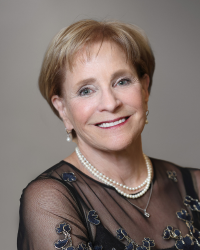
By Sally Greenberg, NCL CEO
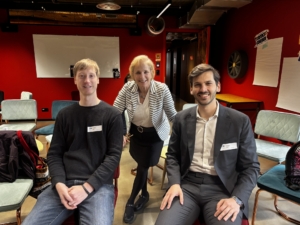
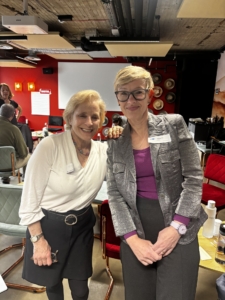
This week, I had the pleasure of attending the Transatlantic Consumer Dialogue (TACD) meeting in Brussels. TACD provides a formal mechanism for U.S. and EU consumer representatives to contribute to transatlantic policy discussions, negotiations, and agreements, while also advancing the consumer perspective in international forums. The organization plays a critical role in ensuring that policy dialogue between the United States and Europe promotes consumer welfare and reflects the real-world impact of decisions on people’s daily lives.
The meeting offered a unique opportunity to spend time with consumer advocates from both Europe and the United States—comparing notes on shared challenges and learning from one another’s experiences. We also met with European officials to discuss their priorities for the coming year. Notably, the Trump Administration declined to send representatives, marking a departure from past administrations that have participated in these important conversations.
As always, a key issue on the agenda was how to counter ongoing efforts by big tech companies and other industry groups to weaken consumer protections. In that context, I am continually inspired by my colleagues, whose creativity and determination have led to meaningful wins for consumers. Their work often sparks new ideas for legislation and regulation to create a more level playing field.
For example, in the United Kingdom, regulators have introduced new rules banning “drip pricing”—fees added late in the purchasing process that obscure the true cost of goods and services. In the United States, we commonly refer to these as “junk fees.” I was also reminded of the stronger airline passenger protections in the European Union—protections we still lack here at home, despite efforts to advance similar measures through proposals like the FAIR Fees Act.
Across both sides of the Atlantic, consumers face a familiar set of challenges: digital services that collect and sell personal data, rising costs for essentials like food and housing, product safety concerns, and business practices that trap consumers in automatically renewing contracts with no easy exit. Hidden fees continue to proliferate—from rideshare “booking fees” to salon “convenience charges” to daily resort fees added to hotel bills at checkout. Airfare prices remain strikingly high, and live event ticketing is increasingly dominated by excessive fees and systems that favor companies like Ticketmaster and secondary sellers at consumers’ expense. Our responsibility is to call attention to these practices and advocate for laws and regulations that rein them in.
Finally, I want to recognize the dedicated TACD staff—Lea Auffret, Oriana Henry, and Kirke Siimso—who bring together dozens of consumer leaders from both sides of the Atlantic. They expertly coordinate logistics, organize meetings with officials, and ensure everything runs seamlessly.
Each TACD meeting is an energizing reminder of the importance of this work—and of the collective strength of those committed to protecting consumers.