New Dietary Guidelines Take on Ultra-processed Foods but Abandon Longstanding Advice on Red Meat, Full-Fat Dairy Products and Alcohol
Media Contact: Lisa McDonald, Vice President of Communications, 202-207-2829
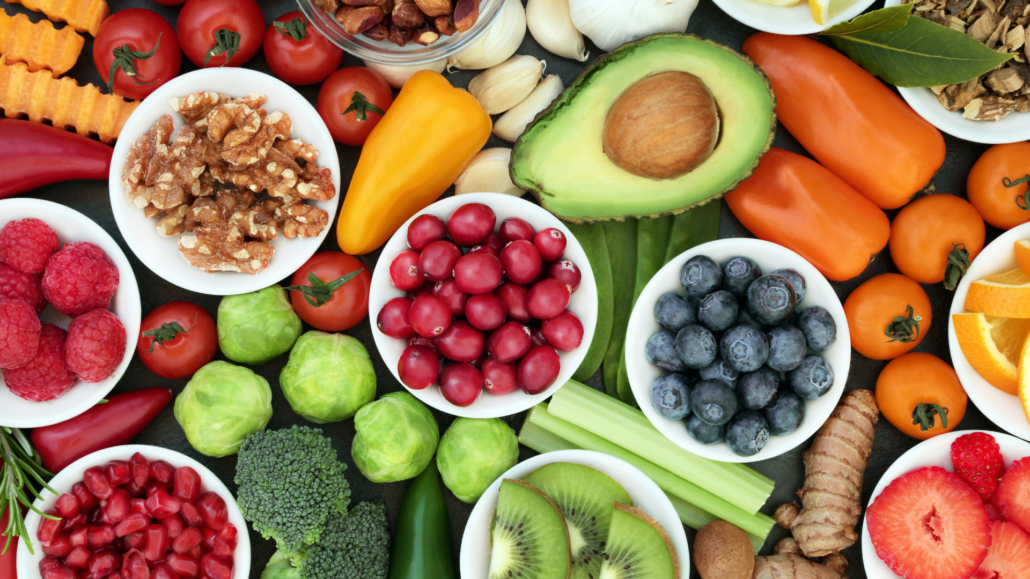
Washington, DC – The National Consumers League (NCL) values recommendations in the newly released Dietary Guidelines for Americans, 2025–2030, that encourage consumers to eat more fruits, vegetables, and whole grains. That said, we have significant concerns that the guidelines abandon science-based recommendations limiting daily consumption of red meat, full-fat dairy products, and alcoholic beverages.
“The new Dietary Guidelines offers a jumble of some good and some bad advice that we worry will confuse consumers and lacks the clarity we should expect from federal food and nutrition agencies like the USDA and the FDA,” says NCL CEO Sally Greenberg.
On the positive side, NCL congratulates the Department of Health and Human Services (HHS) and the Department of Agriculture (USDA) for urging consumers to cut back on highly processed foods and sugar-sweetened beverages that are major factors contributing to obesity and chronic disease. According to the Centers for Disease Control and Prevention (CDC), Americans consume over half their daily calories from ultra-processed foods, which is why health experts from around the world are calling for government policies aimed at limiting consumption of added sugars, refined grains, highly processed foods, saturated fats, and sugary drinks.
At the same time, NCL joins with other consumer, public health, and medical societies that are concerned that ending what the Trump Administration calls “the war on protein” and bringing back an inverted food pyramid highlighting red meat and full-fat dairy products will cause consumers to exceed recommended limits for sodium and saturated fats. According to nutrition experts, the recommendation to consume 1.2 to 1.6 grams per kilogram of body weight of protein each day – meaning eating protein at every meal – will result in consuming twice the recommended daily allowance of 0.8 grams of protein per kilogram of body weight.
The new dietary guidelines also abandon longstanding advice on drinking alcohol, which until now recommended limiting daily consumption to one or two standard drinks a day, with an explanation of what this means when drinking beer, wine, or a distilled spirits product. Instead, the latest version only states that people should consume less alcohol “for better overall health” and “limit alcohol beverages.” Accordingly, the estimated 62 percent of adult Americans who consume alcoholic beverages will now be flying blind when attempting to make responsible drinking decisions.
Even more problematic, the guidelines do not distinguish between men and women, who metabolize alcohol differently, and fail to caution against underage drinking. Because alcohol is the most widely used substance among Americans aged 12 and older, contributing to about 178,000 deaths annually and causing various cancers, heart and liver diseases, and other chronic conditions, excessive alcohol use costs the U.S. economy approximately $249 billion each year. Thus, the vague focus on alcohol recommendations in the guidelines is not in the public interest and runs counter to the goals of the MAHA movement to reduce chronic disease in the US.
###
About the National Consumers League (NCL)
The National Consumers League, founded in 1899, is America’s pioneer consumer organization. Our mission is to protect and promote social and economic justice for consumers and workers in the United States and abroad. For more information, visit www.nclnet.org.