• About GLP-1s
    • GLP-1s Explained
    • Compounded GLP-1s
    • Medication Costs
  • Disinformation & Regulation
    • Beware of Fakes
    • Dissing Disinformation
    • GLP-1 Microdosing
    • GLP-1 Safety Check
    • Regulation Matters
  • Newsroom
    • Blogs
    • Media
    • Press Releases
  • Resources
  • Contact us

The Significance of May 22, 2025: The End of the GLP-1 Free-for-All

Nancy Glick

Nancy Glick, Director of Food and Nutrition Policy, National Consumers League 

May 22, 2025 – the date set by the Food and Drug Administration for the end of sales of mass-marketed compounded GLP-1 weight-loss drugs – is a barometer of how far we have come in regulating untested, unapproved GLP-1 products and how far we still need to go.

Going back to the beginning, in 2022, studies showed that the FDA-approved GLP-1 drugs, semaglutide and tirzepatide, achieved significant weight loss. This news prompted high demand, which led to a national shortage of these drugs. Thus, to fill the supply gap, the FDA allowed compounding pharmacies to sell non-identical versions of GLP-1 drugs under specific FDA regulations until the shortage ended.

At the time, the FDA could not foresee that opening the market to compounders would create a gold rush situation for telehealth platforms and other sellers. Profits soared, and a largely unregulated market emerged where sellers hyped compounded GLP-1s as cheaper options with the same safety and efficacy as the branded drugs without disclosing the risks. Over time, this exploitative market expanded to include so-called GLP-1 products, such as gummies and patches, that do not contain GLP-1 ingredients. The market also includes online pharmacies selling counterfeit injectable GLP-1s and bad actors selling illegal research-grade raw GLP-1 ingredients online to consumers with dosing instructions.

This was the situation in February 2025, when the National Consumers League issued a national alert to relay the warning from the FDA that compounded GLP-1s are “risky for patients” because these drugs are not required to be tested, and are not reviewed and approved by the FDA. Then, on March 12, the FDA announced the end of the national shortage of semaglutide and tirzepatide, setting May 22 as the last day that mass-produced compounded GLP-1s drugs could be sold.

In advance of the deadline, NCL launched a national initiative, The Weight Truth, to help consumers learn about the differences between FDA-approved and compounded GLP-1s and identify fake and counterfeit products. The Weight Truth initiative is also the call-to-action for NCL to combat false and misleading advertising claims about GLP-1 drugs and press lawmakers to enforce existing laws that protect consumers from disinformation, take counterfeits off the market, and regulate compounding practices more aggressively.

Thus, on May 22, 2025, NCL and the patient safety community watched and waited. But what occurred was not the end of mass-marketed compounded GLP-1s. While some telehealth companies exited the market, most sellers evolved into promoting “personalized” compounded GLP-1s as microdoses or as GLP-1s in combination with other drugs, such as cyanocobalamin (Vitamin B-12). By February 2026, the hype about personalized compounded GLP-1s had reached a level where NCL felt the need to issue a second consumer alert in advance of the 2026 Super Bowl, where telehealth companies aired glitzy ads. The alert explained that these altered forms had not been tested in large clinical trials and may pose additional safety risks.

Then, the earth started to move, so to speak. The volume of misleading advertising claims, the audacious marketing of some telehealth companies, the story of a Kentucky woman who developed acute liver failure after receiving compounded tirzepatide combined with B12 and needed an emergency liver transplant, and the outcry from 38 state attorneys general to stop the illegal sale of research-grade GLP-1 ingredients all combined to get the attention of policymakers. Thus, lawmakers at the federal and state levels are taking increasingly meaningful steps to stop fraudulent advertising and crack down on illegal mass compounding.

What does change look like? In the year since the FDA declared the GLP-1 shortage resolved, there have been these developments:

  • In September 2025, the FDA announced its intent to regulate compounded GLP-s more aggressively. Then, the FDA launched a crackdown on misleading advertising claims, sending warning letters to over 55 online sellers of compounded GLP-1 drugs, telling sellers that it is a breach of FDA regulations to tout the benefits of the weight-loss drugs without any mention of side effects.
  • In December 2025, Congressman Rudy Yakym (R-IN-02) and Congressman André Carson (D-IN-07) introduced the “Safeguarding Americans from Fraudulent and Experimental (SAFE) Drugs Act of 2025” to protect patients from untested, unapproved, and potentially dangerous mass-compounded drugs. By February 2026, Senators Jim Banks (R-IN) and Martin Heinrich (D-NM) had introduced the bill in the Senate with the goal of closing regulatory loopholes and strengthening FDA oversight.
  • In March 2026, Indiana Governor Mike Braun signed a bill into law establishing new state oversight requirements for drug compounding and med spas. This step sets the stage for other states to add guardrails that will protect patients and reinforce the boundaries of lawful compounding.
  • In April 2026, FDA clarified its policies on GLP-1 compounding, stating that compounders should not assume that practices tolerated during shortage conditions are now acceptable. Soon afterward, the FDA issued a proposed rule to exclude three GLP-1 drugs – semaglutide, tirzepatide and liraglutide – from the 503B bulks list. In doing so, the FDA signaled that compounding is intended for limited purposes and not the permanent sale of mass-produced alternatives to FDA-approved medicines.

The National Consumers League celebrates these developments as a good start in improving the regulation of compounded GLP-1 drugs. A year after May 22, 2025, policymakers recognize that insufficient regulatory safeguards allowed an exploitative GLP-1 marketplace to flourish, putting the safety of consumers at increased risk. Now it is up to all of us – advocates, medical societies, public health leaders, and concerned citizens – to demand that policymakers keep moving forward to enforce existing laws and pass new ones that will keep consumers safe, combat fraud in the marketplace, and put patient safety first when implementing changes in compounding practices at the state level.

  • Our Impact

    The work of the National Consumers League is making a difference in people’s lives across the country. Meet some of the consumers touched by our programs.

    Read about NCL’s impact

  • Preventing yet another victim

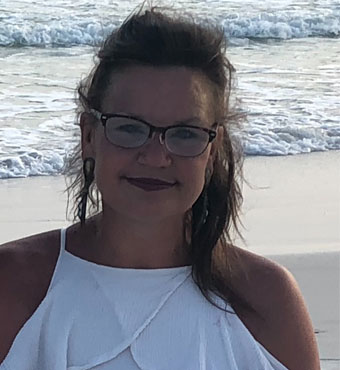
    Paige, 55, a Nashville wife and mother of two, answered an employment ad for secret shoppers. Before sending payment to the scammers, she reached out to NCL.

    Read about NCL’s impact

  • Building a stronger generation

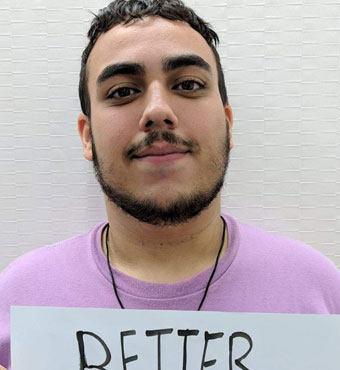
    A grease fire flared up in Decklan’s kitchen. As his family scrambled and panicked, fearing that the whole house might erupt in flames, Decklan remained calm. He hurried over to the pantry, grabbed some baking soda, and dumped it on the fire quickly extinguishing the blaze.

    Read about NCL’s impact

  • Script Your Future saved my life

    Cincinnati resident Charles, 45, lost his computer business — and health insurance— during a time of economic downturn. A diabetic, Charles was now unable to afford his medication. He stopped taking it which made him seriously ill and put his life at risk.

    Read about NCL’s impact

  • For a safer workplace

    Jeremy is a fast-food worker who has been employed at a number of Chipotle restaurants in New York City. When he was just 20 years old, he took part in an NCL research project that revealed that management practices within the fast food chain were putting workers—and food safety for customers—at risk.

    Read about NCL’s impact

  • Our Impact

  • Preventing yet another victim

  • Building a stronger generation

  • Script Your Future saved my life

  • For a safer workplace

Our Programs

Child Labour Lifesmart script your future Fraud.org Logo 6 R2OC
DONATE
© Copyright 2026 - National Consumers League

Contact

Our office is open:
Mon-Fri, 9 am- 5 pm, Eastern

Email: info@nclnet.org

Phone: (202) 835-3323

Fax: (202) 835-0747

Key Pages

  • About Us
  • Leadership
  • Our Programs
  • History
  • Events
  • News & Highlights
  • Contact
  • Careers
© Copyright 2026 - National Consumers League
Remembering Barney Frank, a Giant for Consumers and Equality Nancy Glick The Significance of May 22, 2025: The End of the GLP-1 Free-for-All
Scroll to top


Donate

[gravityform id=”11″ title=”true” description=”false”]

[gravityform id=”9″ title=”true” description=”false” ajax=”true”]

PBPA Commends HHS Funding to Support Maternal and Infant Health

The Preterm Birth Prevention Alliance (PBPA), a coalition of maternal and women’s health advocates dedicated to improving preterm birth outcomes in the United States and addressing its disproportionate impact on women of color, applauds the U.S. Department of Health and Human Services (HHS) for awarding nearly $350 million to states across the country to improve support for safe pregnancies and healthy babies.

“For far too long, U.S. maternal health care has lagged behind that of other developed countries, particularly for women of color,” noted Sally Greenberg, Executive Director of the National Consumers League. “This additional funding will enable local health departments and nonprofits to better address the health care needs of the most vulnerable mothers and their babies.”

The funding, awarded by HHS’ Health Resources and Services Administration (HRSA), will support home visiting services, increase access to doulas, address infant mortality and maternal illness, and improve data reporting on maternal mortality.

“Maternal health care in the U.S. has consistently failed women of color,” Greenberg continued.  “We applaud HHS for this additional funding that will help to improve the maternal health for all mothers and babies, especially women of color and those most at-risk.”

The funding announcement follows the release of a report by the U.S. Commission on Civil Rights which found that Native American women are more than two times more likely to die from pregnancy-related complications than white women in the U.S. This disparity was further exacerbated for Black women in the U.S., who are three to four times more likely to die from pregnancy-related complications than white women.

“In addition to expanding programs to support maternal health, we must increase representation from racially and ethnically diverse groups in research and clinical trials, particularly those studying treatment options to prevent maternal morbidity and mortality,” said Greenberg.  “The need for the additional HHS funding and the report from the Commission on Civil Rights clearly illustrate how critical representative research and real world evidence are to ensuring all mothers and their babies have the same opportunity for the best possible health outcomes.”

Diverse research for a diverse America: The value of equitable, real-world research

August 12, 2021/in Blog, Health, Prevention Blog Post

By Sally Greenberg, NCL Executive Director

While the COVID-19 pandemic has led to hardship for all Americans, it is clear that people of color have been disproportionately burdened. Across the health care continuum, addressing this disparity has become part of the broader conversation about the history of systemic racism and the underlying social determinants of health that negatively affect the mental, physical, and economic health of individuals and entire communities.

The pandemic has underscored persistent health disparities, and there is growing recognition that representation in research and clinical trials can have a profound impact on health outcomes. A lack of representation from racially and ethnically diverse groups in research and clinical trials have typically led to gaps in data, missing the opportunity to assess the full impact of various treatments and drugs across a range of populations. The collection and use of real-world research and data to inform the potential use, risks, and benefits of medical products and treatments can ultimately lead to better health outcomes, particularly for those who have been underrepresented in the past.

Existing efforts to improve inclusion

Efforts to expand diversity and representation in medical research are underway in Congress. Policymakers are encouraging the incorporation of Real World Evidence (RWE) in drug development through the recent Cures 2.0 draft legislation released by Reps. Diana Degette (D-CO-1) and Fred Upton (D-MI-6). While the status quo limits us from effectively reaching underserved populations, the proposed legislation would allow studies that include RWE for some drugs after they have been approved. At the heart of this issue is a growing appreciation that the same therapy can affect different populations in different ways, which is why Cures 2.0 supports collecting data that more accurately reflects the unique experiences and needs of patients across diverse populations.

Recognizing the potential for RWE in maternal health

The lack of representative research in the field of maternal health is undeniable, and its implications are staggering. The dismal state of maternal care in the United States reflects how our health care system has failed women of color, including by not adequately studying treatment options to prevent maternal morbidity and mortality. The need for RWE is clear when you consider the persistent disparities in health outcomes that plague minority communities.

Preterm birth and its disproportionate impact on women of color is a stark illustration of the need to make progress on representative research in maternal health. Preterm birth is the second-largest contributor to infant death in America today. Despite the tremendous physical, emotional, and financial toll that preterm birth continues to take on our country — disproportionately so on women and families of color — not enough therapeutic tools currently exist to prevent it.

Today, “17P,” the only FDA-approved treatment to help reduce the likelihood of spontaneous, recurrent preterm birth in the United States is at-risk of being withdrawn from the market in all its forms, including the branded product and five generic versions. Unfortunately there is conflicting evidence from two different clinical trials, one representative of a diverse U.S. population and another studied in a largely white population in Europe. It’s not a straightforward comparison. If 17P is withdrawn, the women most affected by preterm birth, predominantly women of color, would be left without an FDA-approved treatment option.

The FDA is considering the path forward, including additional data collection through leveraging RWE from past patient use. The success of the first (approval) trial for 17P in the impacted communities signals the importance of RWE. Continued access to 17P is, at its core, a matter of health equity. Black women must not yet again be left vulnerable to a system that historically has overlooked them.

PRETERM BIRTH PREVENTION ALLIANCE APPLAUDS FDA’S GRANTING OF HEARING FOR THE ONLY FDA-APPROVED THERAPIES TO REDUCE RECURRENT PRETERM BIRTH

WASHINGTON, DC, August 26, 2021 –

Preterm Birth Prevention Alliance a coalition of maternal and women’s health advocates dedicated to improving preterm birth outcomes in the United States and addressing its disproportionate impact on women of color, commends the U.S. Food and Drug Administration (FDA) for granting a public hearing to discuss 17P, the only FDA-approved class of branded and generic treatments to reduce preterm birth in indicated patients.

We appreciate the FDA’s willingness to hear directly from individuals facing prematurity and the providers who treat them about their experiences with 17P,” said National Consumer League’s Executive Director Sally Greenberg. “It is an important step towards better understanding variations in efficacy across diverse populations and ensuring all women have an equal chance at the best possible outcomes.”

Last week, the FDA agreed to grant Covis Pharma, the manufacturer of the branded 17P product Makena its request for a public hearing to discuss 17P. Hydroxyprogesterone caproate—or “17P”—has been approved since 2011 and is the only FDA-approved class of treatments to help prevent spontaneous, recurrent preterm birth in the United States. In 2020, the FDA proposed withdrawing 17P in all its forms, including the branded product and its five generic versions, based on conflicting efficacy data from two studies composed of vastly different populations, one predominantly inclusive of women in the U.S. most vulnerable to preterm birth and one not.

“Mothers and birthing people deserve access to the best possible treatments to prevent preterm birth. We cannot achieve birth equity if we study pregnant women as a monolith,” said Blythe Thomas, Initiative Director of 1,000 Days. “It is only by systematically researching the real-world, post-market impact of 17P on individuals from a variety of racial and ethnic backgrounds, while maintaining access for all affected, that we can reduce disparities in maternal and infant health.”

While the hearing date has not yet been set, the Alliance looks forward to sharing the perspectives of affected individuals and their physicians with the agency once the hearing is scheduled and will continue to advocate for at-risk moms and babies of all races and ethnicities.

###

ABOUT THE PRETERM BIRTH PREVENTION ALLIANCE

The Preterm Birth Prevention Alliance (PBPA) is a coalition of maternal and women’s health advocates who share a common concern about the state of preterm birth in the United States and the proposed market withdrawal of 17P, the only FDA-approved class of treatments to help prevent spontaneous, recurrent preterm birth. Formed in 2021 by the National Consumers League, the 15 partners in the PBPA seek to improve preterm birth outcomes in the United States by maintaining access to safe, FDA-approved treatment options and advocating for more diverse medical research that adequately represents the experiences of women and newborns of color. Women of color need a seat at the table. To learn more, visit www.pretermbirthalliance.org

LEADING PATIENT ADVOCATES LAUNCH PRETERM BIRTH PREVENTION ALLIANCE TO PROTECT CRITICAL ACCESS TO THE SOLE FDA-APPROVED CLASS OF THERAPIES TO REDUCE RECURRENT PRETERM BIRTH

WASHINGTON, DC, April 20, 2021 – Today, the National Consumers League (NCL), along with a coalition of patient advocacy organizations dedicated to advancing the health of mothers and infants, announced the launch of the >Preterm Birth Prevention Alliance.

Members of the Alliance are joining forces in an effort to preserve patient access to the only Food & Drug Administration-approved class of treatments for pregnant women who have previously had an unexpected, or spontaneous, preterm birth. Together, Alliance members seek to ensure that the Food & Drug Administration (FDA) hears concerns from the full range of stakeholders about the potential risks and impact of withdrawal for at-risk pregnant women and their providers.

For the fifth year in a row, the U.S. preterm birth rate has increased (to 10.2 percent of births), and preterm birth and its complications were the second largest contributor to infant death across the country. Preterm birth also represents a significant racial health disparity, with Black women in America experiencing premature delivery at a rate 50 percent higher than other racial groups throughout the country.

However, in 2020, the FDA >proposed withdrawing hydroxyprogesterone caproate, commonly called “17P” or “17-OHPC”, the only FDA-approved class of branded and generic treatments to help prevent the risk of preterm birth in women with a history of spontaneous preterm birth. The FDA is currently determining whether to hold a hearing on the status of 17P, based on conflicting efficacy data from two studies composed of vastly different patient populations, one inclusive of women in the U.S. most vulnerable to preterm birth and one not.

“We’re fighting for a more inclusive healthcare system that gives everyone an equal chance to have the best outcomes possible,” said Sally Greenberg, executive director of the National Consumers League. “We don’t believe that removing 17P from the market without gaining a better understanding of who could benefit the most from its use is in the best interests of patients, nor their healthcare providers, particularly as there are no other approved treatment options available.”

To date, 14 organizations have joined NCL to advocate for the health interests of at-risk pregnant women and infants, including: 1,000 Days; 2020 Mom; American Association of Birth Centers; Black Mamas Matter Alliance; Black Women’s Health Imperative; Expecting Health; Healthy Mothers, Healthy Babies Montana; HealthyWomen; Miracle Babies; National Birth Equity Collaborative; National Black Midwives Alliance; National Partnership for Women & Families; Sidelines High-Risk National Support Network; and SisterReach.

“As a trained obstetrician and gynecologist, I know firsthand the impact of preterm birth on Black women and birthing people. I also know that racism – not race – is the driving factor leading the disproportionate impact of preterm birth on Black women and birthing people thereby exacerbating systemic inequities in maternal and infant health. To achieve birth equity, which is the assurance of the conditions of optimal births for all people with a willingness to address racial and social inequities in a sustained effort, we must work to protect and uphold a standard of care for spontaneous, recurrent preterm births and ensure it remains accessible and affordable for all who stand in need,” added Dr. Joia Crear Perry, founder and president of the National Birth Equity Collaborative.

The Preterm Birth Prevention Alliance is calling for the FDA to grant a public hearing to fully consider all of the data, additional research methods, and stakeholder perspectives before deciding whether to withdraw approval of this critical class of therapies. The health of America’s moms and babies warrants the utmost care and consideration.

###

ABOUT THE PRETERM BIRTH PREVENTION ALLIANCE

The Preterm Birth Prevention Alliance is a coalition of maternal and women’s health advocates who share a common concern about the state of preterm birth in the United States and the proposed market withdrawal of 17P, the only FDA-approved class of treatments to help prevent spontaneous, recurrent preterm birth. Formed in 2021 by the National Consumers League, we seek to improve preterm birth outcomes in the United States by maintaining access to safe, FDA-approved treatment options and advocating for more diverse medical research that adequately represents the experiences of women and newborns of color. Women of color need a seat at the table. To learn more, visit www.pretermbirthalliance.org.

Initial support for the Preterm Birth Prevention Alliance is provided by Covis Pharma.

MEDIA CONTACT:

Carol McKay, carolm@nclnet.org

<embed src=”https://art19.com/shows/ce489618-5918-423a-9b5f-35ce4c28ca09/episodes/2f8fa6fc-6aad-4f1f-bf13-3bdb0aa41732/embed?theme=light-custom&primary_color=%231850a3″ width=”100%” height=”300″></embed>

<iframe src=”https://art19.com/shows/we-can-do-this/episodes/c7b22520-c0aa-4718-9b59-4ee67e494547/embed?theme=light-custom” style=”width: 100%; height: 200px; border: 0 none;” scrolling=”no”></iframe>

<iframe src=”https://art19.com/shows/we-can-do-this/episodes/ab80228e-48d9-4a45-a894-a1bfc4e41c64/embed?theme=light-custom” style=”width: 100%; height: 200px; border: 0 none;” scrolling=”no”></iframe>

<iframe src=”https://art19.com/shows/we-can-do-this/episodes/ea08cbc0-f9f2-4082-9222-4e33f68b6826/embed?theme=light-custom” style=”width: 100%; height: 200px; border: 0 none;” scrolling=”no”></iframe>

<iframe src=”https://art19.com/shows/we-can-do-this/episodes/5039453f-6008-413a-9f6b-c9be649fd26e/embed?theme=light-custom” style=”width: 100%; height: 200px; border: 0 none;” scrolling=”no”></iframe>

<iframe src=”https://art19.com/shows/we-can-do-this/episodes/fafb46f8-6d90-4cd8-91be-616366d1b8ca/embed?theme=light-custom” style=”width: 100%; height: 200px; border: 0 none;” scrolling=”no”></iframe>

<iframe src=”https://art19.com/shows/we-can-do-this/episodes/25f0485d-bbce-46c8-bb90-139dcf1a2e7b/embed?theme=light-custom” style=”width: 100%; height: 200px; border: 0 none;” scrolling=”no”></iframe>

<iframe src=”https://art19.com/shows/we-can-do-this/episodes/ffbcae35-84c5-4c8b-9686-6e2c79679dd0/embed?theme=light-custom” style=”width: 100%; height: 200px; border: 0 none;” scrolling=”no”></iframe>

<iframe src=”https://art19.com/shows/we-can-do-this/episodes/520bdd73-d142-4508-9706-d81b5c042dff/embed?theme=light-custom” style=”width: 100%; height: 200px; border: 0 none;” scrolling=”no”></iframe>

<iframe src=”https://art19.com/shows/we-can-do-this/episodes/12354e8b-bf15-4eba-b34f-20e435df3bb7/embed?theme=light-custom” style=”width: 100%; height: 200px; border: 0 none;” scrolling=”no”></iframe>

<iframe src=”https://art19.com/shows/we-can-do-this/episodes/e2091efc-d66d-49f4-aa8e-8e6249858310/embed?theme=light-custom” style=”width: 100%; height: 200px; border: 0 none;” scrolling=”no”></iframe>