• About GLP-1s
    • GLP-1s Explained
    • Compounded GLP-1s
    • Medication Costs
  • Disinformation & Regulation
    • Beware of Fakes
    • Dissing Disinformation
    • Regulation Matters
    • GLP-1 Safety Check
  • Newsroom
    • Blogs
    • Media
    • Press Releases
  • Resources
  • Contact us

Obesity Medication Misinformation Crisis Won’t End with FDA Deadline

Nancy Glick

Nancy Glick, Director of Food and Nutrition Policy, National Consumers League

As 2026 gets underway, findings from the Pew Research Center estimate that three in ten Americans – more than 100 million people – started January with resolutions to save more money, get healthier, lose weight, spend more time with family and friends, and quit smoking.  Yet, only about 9 percent of Americans will ultimately keep their resolutions, according to the Pew findings. In fact, studies project that 23 percent of people quit their resolution by the end of the first week, and 43 percent quit by the end of January. 

Usually, resolutions to lose weight are where many Americans fail. But this year, the goal of achieving a healthier weight is increasingly possible. Here are some reasons why: 

  • Americans with obesity now have the option of being treated with the first GLP-1 (glucagon-like peptide-1) weight loss weight pill. Approved by the Food and Drug Administration (FDA) in December 2025, the so-called Wegovy© pill is indicated for people with obesity (BMI 30+) and those with overweight (BMI 27+) and at least one weight-related chronic condition. Containing the same active ingredient, semaglutide, as the widely used weekly GLP-1 injectable weight-loss treatment, the pill is taken once daily on an empty stomach, has comparable side effects (such as nausea, diarrhea, constipation, and vomiting) to injectable semaglutide, and also achieves similar weight-loss results. Specifically, in clinical trials, the pill achieved an average loss of 14 percent of a person’s body weight over 64 weeks when combined with diet and exercise. 
  • The FDA-approved weight loss pill is more affordable for consumers whose insurance does not cover obesity medication. Although pill prices vary depending on insurance coverage and dosage, for self-pay patients (without insurance), the cash prices range from $149 to $299 per month. This is because the pill form of semaglutide is cheaper to produce and does not require refrigeration. Moreover, the pill is widely available with a prescription from a qualified medical professional at over 70,000 U.S. pharmacies and via telehealth providers working with the manufacturer, Novo Nordisk, such as GoodRx and WeightWatchers.
  • The cost of injectable weight-loss drugs has dropped significantly. In May 2025, manufacturers of the popular GLP-1 weight-loss drugs, Wegovy© (semaglutide) and Zepbound© (tirzepatide), announced large price reductions for their injectable GLP-1 drugs, making it possible for “self-pay” consumers to access these FDA-approved medicines. Then, in November 2025, the drugmakers reached an agreement with the Trump Administration to set Medicare and Medicaid prices at $245 a month, including a $50 copay for many Medicare patients, significantly expanding access to these weight-loss and diabetes drugs for millions. 
  • The federal government is working on a pathway for Medicare and Medicaid to cover GLP-1 weight-loss drugs. On December 23, 2025, the Centers for Medicare & Medicaid Services (CMS) announced the BALANCE ( Better Approaches to Lifestyles and Nutrition for Comprehensive Health) Model, a voluntary program where CMS will work with Medicaid programs, Medicare insurance plans (Part D plans), and drugmakers to determine the best way to reduce net prices for GLP-1 medications, cap out-of-pocket costs, and standardize coverage criteria so people with Medicare and Medicaid coverage will have access to these treatments in the future. Under the program, CMS will waive the current Part D coverage exclusion for weight-loss medications, meaning GLP-1s will be included as a basic benefit of participating plans, and CMS will test different prices negotiated with manufacturers, the use of rebates to keep costs aligned with coverage terms, and cost-sharing options. CMS will begin testing different payment systems for Medicaid plans as early as May 2026 and for Medicare Part D starting in January 2027. Related to the BALANCE model, CMS will also conduct a payment demonstration starting in July 2026 that will allow eligible Medicare Part D beneficiaries to have coverage for GLP-1 drugs with an out-of-pocket cost of $50 a month.  

Because these developments translate into greater access to safe and effective FDA-approved GLP-1 weight-loss drugs, NCL recommends that consumers rethink their treatment decisions with a focus on drug safety. In February 2025, NCL issued a consumer alert with guidance from the FDA and obesity medicine specialists regarding the use of untested compounded GLP-1 drugs, possible counterfeits and fakes, and products sold online that the FDA warned could cause harm. Now that more FDA-approved GLP-1 drugs are readily available, NCL offers this updated advice:  

  • Before seeking treatment with a GLP-1 drug, talk to your doctor or health provider to determine if you are a candidate for treatment based on your risk factors and degree of obesity. 
  • When possible, the FDA recommends that patients opt for FDA-approved GLP-1 medications and fill prescriptions at a state-licensed pharmacy.
  • Because GLP-1 drugs are serious medicines that carry risks as well as benefits, it is best to obtain a prescription from your doctor or a health professional you know.
  • Be aware of the differences between FDA-approved GLP-1 drugs and products sold online that claim to be “the same” as these medicines, only cheaper and more convenient. Unlike FDA-approved medicines, compounded GLP-1 drugs and products promoted as alternatives to FDA-approved versions – such as oral supplements and patches – do not go through the FDA’s rigorous review process to ensure safety, effectiveness, and quality. Moreover, there are differences in how these products are manufactured, and their ingredients may come from undisclosed sources. The FDA warns that taking these products increases the risk of dosing errors and exposure to contaminants.  
  • Medical organizations warn that microdosing GLP-1s – meaning intentionally taking a smaller dose than the FDA-approved, on-label regimen – is an experimental practice that raises significant safety and effectiveness concerns. Although some telehealth companies claim that microdosing is a healthy way to lose weight and reduce metabolic risk, FDA does not approve or provide guidelines for “microdosing” GLP-1 medications and there is no clinical evidence from large-scale trials to support the safety or effectiveness of microdosing as a standard practice for weight loss or other claimed benefits.
  • In situations where you choose a telehealth option, beware of prescribing practitioners who do not take your personal history, do not diagnose the degree of obesity with appropriate evaluation measures, or prescribe a GLP-1 drug without ongoing monitoring.
  • Before ordering a GLP-1 drug through an online pharmacy, follow the FDA’s tips to spot the warning signs that the website may be unsafe, such as the online pharmacy is not licensed in the US or by a state board of pharmacy, or it offers deep discounts that seem too good to be true.  
  • Our Impact

    The work of the National Consumers League is making a difference in people’s lives across the country. Meet some of the consumers touched by our programs.

    Read about NCL’s impact

  • Preventing yet another victim

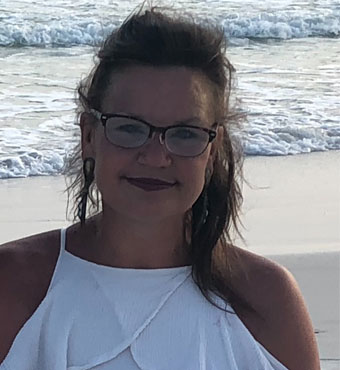
    Paige, 55, a Nashville wife and mother of two, answered an employment ad for secret shoppers. Before sending payment to the scammers, she reached out to NCL.

    Read about NCL’s impact

  • Building a stronger generation

    A grease fire flared up in Decklan’s kitchen. As his family scrambled and panicked, fearing that the whole house might erupt in flames, Decklan remained calm. He hurried over to the pantry, grabbed some baking soda, and dumped it on the fire quickly extinguishing the blaze.

    Read about NCL’s impact

  • Script Your Future saved my life

    Cincinnati resident Charles, 45, lost his computer business — and health insurance— during a time of economic downturn. A diabetic, Charles was now unable to afford his medication. He stopped taking it which made him seriously ill and put his life at risk.

    Read about NCL’s impact

  • For a safer workplace

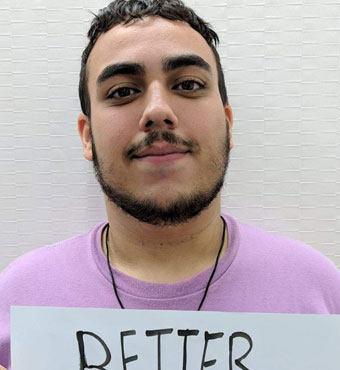
    Jeremy is a fast-food worker who has been employed at a number of Chipotle restaurants in New York City. When he was just 20 years old, he took part in an NCL research project that revealed that management practices within the fast food chain were putting workers—and food safety for customers—at risk.

    Read about NCL’s impact

  • Our Impact

  • Preventing yet another victim

  • Building a stronger generation

  • Script Your Future saved my life

  • For a safer workplace

Our Programs

Child Labour Lifesmart script your future Fraud.org Logo 6 R2OC
DONATE
© Copyright 2026 - National Consumers League

Contact

Our office is open:
Mon-Fri, 9 am- 5 pm, Eastern

Email: info@nclnet.org

Phone: (202) 835-3323

Fax: (202) 835-0747

Key Pages

  • About Us
  • Leadership
  • Our Programs
  • History
  • Events
  • News & Highlights
  • Contact
  • Careers
© Copyright 2026 - National Consumers League
NCL, 55 Organizations Urge Lawmakers to Pass the Safety Is Not For Sale Act
Scroll to top


Donate

[gravityform id=”11″ title=”true” description=”false”]

[gravityform id=”9″ title=”true” description=”false” ajax=”true”]

PBPA Commends HHS Funding to Support Maternal and Infant Health

The Preterm Birth Prevention Alliance (PBPA), a coalition of maternal and women’s health advocates dedicated to improving preterm birth outcomes in the United States and addressing its disproportionate impact on women of color, applauds the U.S. Department of Health and Human Services (HHS) for awarding nearly $350 million to states across the country to improve support for safe pregnancies and healthy babies.

“For far too long, U.S. maternal health care has lagged behind that of other developed countries, particularly for women of color,” noted Sally Greenberg, Executive Director of the National Consumers League. “This additional funding will enable local health departments and nonprofits to better address the health care needs of the most vulnerable mothers and their babies.”

The funding, awarded by HHS’ Health Resources and Services Administration (HRSA), will support home visiting services, increase access to doulas, address infant mortality and maternal illness, and improve data reporting on maternal mortality.

“Maternal health care in the U.S. has consistently failed women of color,” Greenberg continued.  “We applaud HHS for this additional funding that will help to improve the maternal health for all mothers and babies, especially women of color and those most at-risk.”

The funding announcement follows the release of a report by the U.S. Commission on Civil Rights which found that Native American women are more than two times more likely to die from pregnancy-related complications than white women in the U.S. This disparity was further exacerbated for Black women in the U.S., who are three to four times more likely to die from pregnancy-related complications than white women.

“In addition to expanding programs to support maternal health, we must increase representation from racially and ethnically diverse groups in research and clinical trials, particularly those studying treatment options to prevent maternal morbidity and mortality,” said Greenberg.  “The need for the additional HHS funding and the report from the Commission on Civil Rights clearly illustrate how critical representative research and real world evidence are to ensuring all mothers and their babies have the same opportunity for the best possible health outcomes.”

Diverse research for a diverse America: The value of equitable, real-world research

August 12, 2021/in Blog, Health, Prevention Blog Post

By Sally Greenberg, NCL Executive Director

While the COVID-19 pandemic has led to hardship for all Americans, it is clear that people of color have been disproportionately burdened. Across the health care continuum, addressing this disparity has become part of the broader conversation about the history of systemic racism and the underlying social determinants of health that negatively affect the mental, physical, and economic health of individuals and entire communities.

The pandemic has underscored persistent health disparities, and there is growing recognition that representation in research and clinical trials can have a profound impact on health outcomes. A lack of representation from racially and ethnically diverse groups in research and clinical trials have typically led to gaps in data, missing the opportunity to assess the full impact of various treatments and drugs across a range of populations. The collection and use of real-world research and data to inform the potential use, risks, and benefits of medical products and treatments can ultimately lead to better health outcomes, particularly for those who have been underrepresented in the past.

Existing efforts to improve inclusion

Efforts to expand diversity and representation in medical research are underway in Congress. Policymakers are encouraging the incorporation of Real World Evidence (RWE) in drug development through the recent Cures 2.0 draft legislation released by Reps. Diana Degette (D-CO-1) and Fred Upton (D-MI-6). While the status quo limits us from effectively reaching underserved populations, the proposed legislation would allow studies that include RWE for some drugs after they have been approved. At the heart of this issue is a growing appreciation that the same therapy can affect different populations in different ways, which is why Cures 2.0 supports collecting data that more accurately reflects the unique experiences and needs of patients across diverse populations.

Recognizing the potential for RWE in maternal health

The lack of representative research in the field of maternal health is undeniable, and its implications are staggering. The dismal state of maternal care in the United States reflects how our health care system has failed women of color, including by not adequately studying treatment options to prevent maternal morbidity and mortality. The need for RWE is clear when you consider the persistent disparities in health outcomes that plague minority communities.

Preterm birth and its disproportionate impact on women of color is a stark illustration of the need to make progress on representative research in maternal health. Preterm birth is the second-largest contributor to infant death in America today. Despite the tremendous physical, emotional, and financial toll that preterm birth continues to take on our country — disproportionately so on women and families of color — not enough therapeutic tools currently exist to prevent it.

Today, “17P,” the only FDA-approved treatment to help reduce the likelihood of spontaneous, recurrent preterm birth in the United States is at-risk of being withdrawn from the market in all its forms, including the branded product and five generic versions. Unfortunately there is conflicting evidence from two different clinical trials, one representative of a diverse U.S. population and another studied in a largely white population in Europe. It’s not a straightforward comparison. If 17P is withdrawn, the women most affected by preterm birth, predominantly women of color, would be left without an FDA-approved treatment option.

The FDA is considering the path forward, including additional data collection through leveraging RWE from past patient use. The success of the first (approval) trial for 17P in the impacted communities signals the importance of RWE. Continued access to 17P is, at its core, a matter of health equity. Black women must not yet again be left vulnerable to a system that historically has overlooked them.

PRETERM BIRTH PREVENTION ALLIANCE APPLAUDS FDA’S GRANTING OF HEARING FOR THE ONLY FDA-APPROVED THERAPIES TO REDUCE RECURRENT PRETERM BIRTH

WASHINGTON, DC, August 26, 2021 –

Preterm Birth Prevention Alliance a coalition of maternal and women’s health advocates dedicated to improving preterm birth outcomes in the United States and addressing its disproportionate impact on women of color, commends the U.S. Food and Drug Administration (FDA) for granting a public hearing to discuss 17P, the only FDA-approved class of branded and generic treatments to reduce preterm birth in indicated patients.

We appreciate the FDA’s willingness to hear directly from individuals facing prematurity and the providers who treat them about their experiences with 17P,” said National Consumer League’s Executive Director Sally Greenberg. “It is an important step towards better understanding variations in efficacy across diverse populations and ensuring all women have an equal chance at the best possible outcomes.”

Last week, the FDA agreed to grant Covis Pharma, the manufacturer of the branded 17P product Makena its request for a public hearing to discuss 17P. Hydroxyprogesterone caproate—or “17P”—has been approved since 2011 and is the only FDA-approved class of treatments to help prevent spontaneous, recurrent preterm birth in the United States. In 2020, the FDA proposed withdrawing 17P in all its forms, including the branded product and its five generic versions, based on conflicting efficacy data from two studies composed of vastly different populations, one predominantly inclusive of women in the U.S. most vulnerable to preterm birth and one not.

“Mothers and birthing people deserve access to the best possible treatments to prevent preterm birth. We cannot achieve birth equity if we study pregnant women as a monolith,” said Blythe Thomas, Initiative Director of 1,000 Days. “It is only by systematically researching the real-world, post-market impact of 17P on individuals from a variety of racial and ethnic backgrounds, while maintaining access for all affected, that we can reduce disparities in maternal and infant health.”

While the hearing date has not yet been set, the Alliance looks forward to sharing the perspectives of affected individuals and their physicians with the agency once the hearing is scheduled and will continue to advocate for at-risk moms and babies of all races and ethnicities.

###

ABOUT THE PRETERM BIRTH PREVENTION ALLIANCE

The Preterm Birth Prevention Alliance (PBPA) is a coalition of maternal and women’s health advocates who share a common concern about the state of preterm birth in the United States and the proposed market withdrawal of 17P, the only FDA-approved class of treatments to help prevent spontaneous, recurrent preterm birth. Formed in 2021 by the National Consumers League, the 15 partners in the PBPA seek to improve preterm birth outcomes in the United States by maintaining access to safe, FDA-approved treatment options and advocating for more diverse medical research that adequately represents the experiences of women and newborns of color. Women of color need a seat at the table. To learn more, visit www.pretermbirthalliance.org

LEADING PATIENT ADVOCATES LAUNCH PRETERM BIRTH PREVENTION ALLIANCE TO PROTECT CRITICAL ACCESS TO THE SOLE FDA-APPROVED CLASS OF THERAPIES TO REDUCE RECURRENT PRETERM BIRTH

WASHINGTON, DC, April 20, 2021 – Today, the National Consumers League (NCL), along with a coalition of patient advocacy organizations dedicated to advancing the health of mothers and infants, announced the launch of the >Preterm Birth Prevention Alliance.

Members of the Alliance are joining forces in an effort to preserve patient access to the only Food & Drug Administration-approved class of treatments for pregnant women who have previously had an unexpected, or spontaneous, preterm birth. Together, Alliance members seek to ensure that the Food & Drug Administration (FDA) hears concerns from the full range of stakeholders about the potential risks and impact of withdrawal for at-risk pregnant women and their providers.

For the fifth year in a row, the U.S. preterm birth rate has increased (to 10.2 percent of births), and preterm birth and its complications were the second largest contributor to infant death across the country. Preterm birth also represents a significant racial health disparity, with Black women in America experiencing premature delivery at a rate 50 percent higher than other racial groups throughout the country.

However, in 2020, the FDA >proposed withdrawing hydroxyprogesterone caproate, commonly called “17P” or “17-OHPC”, the only FDA-approved class of branded and generic treatments to help prevent the risk of preterm birth in women with a history of spontaneous preterm birth. The FDA is currently determining whether to hold a hearing on the status of 17P, based on conflicting efficacy data from two studies composed of vastly different patient populations, one inclusive of women in the U.S. most vulnerable to preterm birth and one not.

“We’re fighting for a more inclusive healthcare system that gives everyone an equal chance to have the best outcomes possible,” said Sally Greenberg, executive director of the National Consumers League. “We don’t believe that removing 17P from the market without gaining a better understanding of who could benefit the most from its use is in the best interests of patients, nor their healthcare providers, particularly as there are no other approved treatment options available.”

To date, 14 organizations have joined NCL to advocate for the health interests of at-risk pregnant women and infants, including: 1,000 Days; 2020 Mom; American Association of Birth Centers; Black Mamas Matter Alliance; Black Women’s Health Imperative; Expecting Health; Healthy Mothers, Healthy Babies Montana; HealthyWomen; Miracle Babies; National Birth Equity Collaborative; National Black Midwives Alliance; National Partnership for Women & Families; Sidelines High-Risk National Support Network; and SisterReach.

“As a trained obstetrician and gynecologist, I know firsthand the impact of preterm birth on Black women and birthing people. I also know that racism – not race – is the driving factor leading the disproportionate impact of preterm birth on Black women and birthing people thereby exacerbating systemic inequities in maternal and infant health. To achieve birth equity, which is the assurance of the conditions of optimal births for all people with a willingness to address racial and social inequities in a sustained effort, we must work to protect and uphold a standard of care for spontaneous, recurrent preterm births and ensure it remains accessible and affordable for all who stand in need,” added Dr. Joia Crear Perry, founder and president of the National Birth Equity Collaborative.

The Preterm Birth Prevention Alliance is calling for the FDA to grant a public hearing to fully consider all of the data, additional research methods, and stakeholder perspectives before deciding whether to withdraw approval of this critical class of therapies. The health of America’s moms and babies warrants the utmost care and consideration.

###

ABOUT THE PRETERM BIRTH PREVENTION ALLIANCE

The Preterm Birth Prevention Alliance is a coalition of maternal and women’s health advocates who share a common concern about the state of preterm birth in the United States and the proposed market withdrawal of 17P, the only FDA-approved class of treatments to help prevent spontaneous, recurrent preterm birth. Formed in 2021 by the National Consumers League, we seek to improve preterm birth outcomes in the United States by maintaining access to safe, FDA-approved treatment options and advocating for more diverse medical research that adequately represents the experiences of women and newborns of color. Women of color need a seat at the table. To learn more, visit www.pretermbirthalliance.org.

Initial support for the Preterm Birth Prevention Alliance is provided by Covis Pharma.

MEDIA CONTACT:

Carol McKay, carolm@nclnet.org

<embed src=”https://art19.com/shows/ce489618-5918-423a-9b5f-35ce4c28ca09/episodes/2f8fa6fc-6aad-4f1f-bf13-3bdb0aa41732/embed?theme=light-custom&primary_color=%231850a3″ width=”100%” height=”300″></embed>

<iframe src=”https://art19.com/shows/we-can-do-this/episodes/c7b22520-c0aa-4718-9b59-4ee67e494547/embed?theme=light-custom” style=”width: 100%; height: 200px; border: 0 none;” scrolling=”no”></iframe>

<iframe src=”https://art19.com/shows/we-can-do-this/episodes/ab80228e-48d9-4a45-a894-a1bfc4e41c64/embed?theme=light-custom” style=”width: 100%; height: 200px; border: 0 none;” scrolling=”no”></iframe>

<iframe src=”https://art19.com/shows/we-can-do-this/episodes/ea08cbc0-f9f2-4082-9222-4e33f68b6826/embed?theme=light-custom” style=”width: 100%; height: 200px; border: 0 none;” scrolling=”no”></iframe>

<iframe src=”https://art19.com/shows/we-can-do-this/episodes/5039453f-6008-413a-9f6b-c9be649fd26e/embed?theme=light-custom” style=”width: 100%; height: 200px; border: 0 none;” scrolling=”no”></iframe>

<iframe src=”https://art19.com/shows/we-can-do-this/episodes/fafb46f8-6d90-4cd8-91be-616366d1b8ca/embed?theme=light-custom” style=”width: 100%; height: 200px; border: 0 none;” scrolling=”no”></iframe>

<iframe src=”https://art19.com/shows/we-can-do-this/episodes/25f0485d-bbce-46c8-bb90-139dcf1a2e7b/embed?theme=light-custom” style=”width: 100%; height: 200px; border: 0 none;” scrolling=”no”></iframe>

<iframe src=”https://art19.com/shows/we-can-do-this/episodes/ffbcae35-84c5-4c8b-9686-6e2c79679dd0/embed?theme=light-custom” style=”width: 100%; height: 200px; border: 0 none;” scrolling=”no”></iframe>

<iframe src=”https://art19.com/shows/we-can-do-this/episodes/520bdd73-d142-4508-9706-d81b5c042dff/embed?theme=light-custom” style=”width: 100%; height: 200px; border: 0 none;” scrolling=”no”></iframe>

<iframe src=”https://art19.com/shows/we-can-do-this/episodes/12354e8b-bf15-4eba-b34f-20e435df3bb7/embed?theme=light-custom” style=”width: 100%; height: 200px; border: 0 none;” scrolling=”no”></iframe>

<iframe src=”https://art19.com/shows/we-can-do-this/episodes/e2091efc-d66d-49f4-aa8e-8e6249858310/embed?theme=light-custom” style=”width: 100%; height: 200px; border: 0 none;” scrolling=”no”></iframe>